
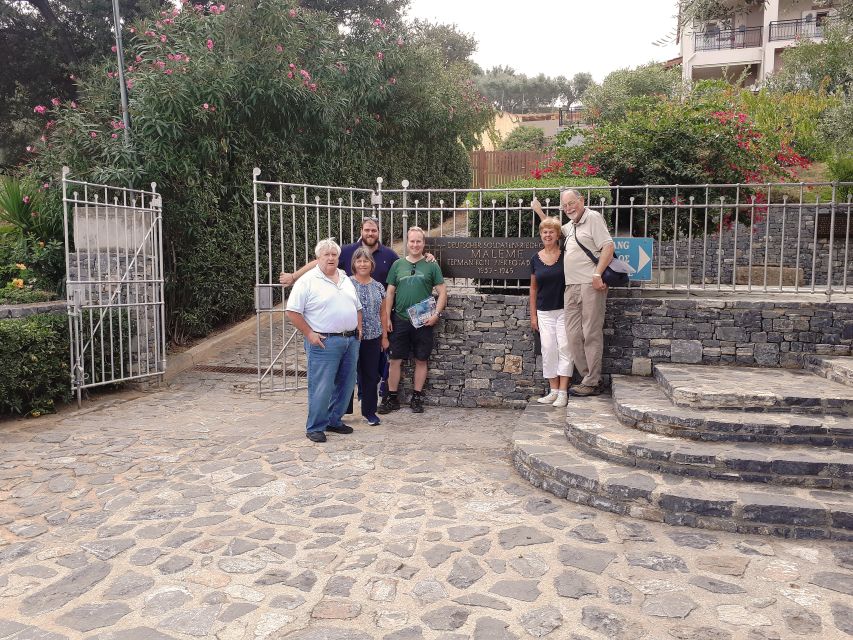
Reviewed · HISTORICAL TOURS
From Chania: Crete World War II History Tour
Crete’s World War II story hits hard because the island sat at the crossroads of Mediterranean plans. This 6 hour tour from the Chania region connects the early 1940 Greek-Italian War context to Hitler’s Operation Mercury, then walks you through the invasion battle sites and what happened during the occupation afterward.
I especially like the Maleme airfield viewpoint angle, because seeing the terrain from above helps the landing story make sense fast. I also love how the day ends at German and Allied war cemeteries, where respect is the focus, not spectacle. One consideration: it’s a long day in real outdoor heat, and you should plan for limited comfort breaks, plus the provided food is a snack rather than a full sit-down lunch.
Key Things You Should Know Before You Go
- Maleme airfield from above, so you grasp why the paratroopers and ground forces mattered
- Tavronitis Bridge and nearby remnants, used to explain troop movement and battlefield logic
- Galatas and the battle narrative, tied back to the bigger 1940 lead-in
- Secret shelters and small museums, plus monuments and battle sites you might miss on your own
- German and Allied war cemeteries, including carefully preserved grave details
- Small group, air-conditioned minivan, with pickup and drop-off in the Chania region
A 6-hour WWII Road Trip With Chania Pickup and Air-Conditioned Stops
This is a compact, full-focus history outing: about 6 hours, in a small group, using an air-conditioned minivan. Pickup and drop-off are included from specific spots in the Chania region, which matters because Crete’s World War II sites spread out, and buses and taxis add friction fast if you’re doing it solo.
The tour is designed to be chronological, not just a list of places. You’ll start with the setup that led to Operation Mercury, then move through the battle story on the western side of Crete. That structure helps if you only know the famous headlines about the Battle of Crete. You’ll leave with a clear cause and effect chain, and you’ll also understand how resistance and fighting on the island fed Allied morale far beyond Greece.
One practical note: comfortable shoes are a must. Even when you’re not walking far, the ground can be uneven near monuments and battle locations, and you’ll appreciate solid footing in warmer months.
More historical tours in Chania:
- Chania Battle of Crete Private Tour: WW2 Military History
★ 5.0 · 16 reviews - Battle of Crete WW2 Private Tour (price per group of 6)
★ 5.0 · 5 reviews - Chania: Battle of Crete and WW2 History Tour with Bunkers
★ 5.0 · 4 reviews
Maleme: Seeing the Paratrooper Landing Ground From Above
Maleme is one of those names you hear in World War II discussions, and the tour uses that familiarity in a smart way. Instead of treating Maleme like a single stop, you get an overview view of the area, including the Maleme airfield from above. That viewpoint is key, because it helps you connect what you’re seeing on the ground to what paratroopers and ground forces needed to do.
From a reader standpoint, this is where the tour starts feeling more than educational. A lot of WW2 history tours show you plaques and tell you dates. Here, the terrain angle helps you understand why certain approaches were attempted, why defenders had opportunities, and why the early moments mattered so much for the rest of the battle.
You’ll also get local framing on the surrounding village area, which makes Maleme feel like a place with daily life layered over tragedy. That matters, because Crete wasn’t just a battlefield. It was a community that got pulled into a wider war across southeast Europe and the Mediterranean.
Tavronitis Bridge: Where Battlefield Geography Meets Real-World Remains
After Maleme, the route pushes you toward battlefield infrastructure and remnants, and Tavronitis Bridge is one of the stops that turns abstract troop movement into something you can picture. Bridges are not just photo points in this kind of history. They’re chokepoints. They shape delays, routes, and the timing of advances.
At Tavronitis, you’re not just looking at a structure. You’re getting the broader explanation of why this area mattered, and how it fits into the larger battle pattern of the island. This is the kind of stop that pays off when your guide uses supporting maps and old photos, because you can mentally overlay the 1941 reality onto what’s there today.
You’ll also see how monuments and remaining features act like “breadcrumbs” through the campaign story. On your own, it’s easy to miss those links. With a guide driving the narrative, you’re more likely to remember the logic behind the fighting rather than only the names.
Galatas: Understanding the Battle of Crete Through the Lead-In to 1940
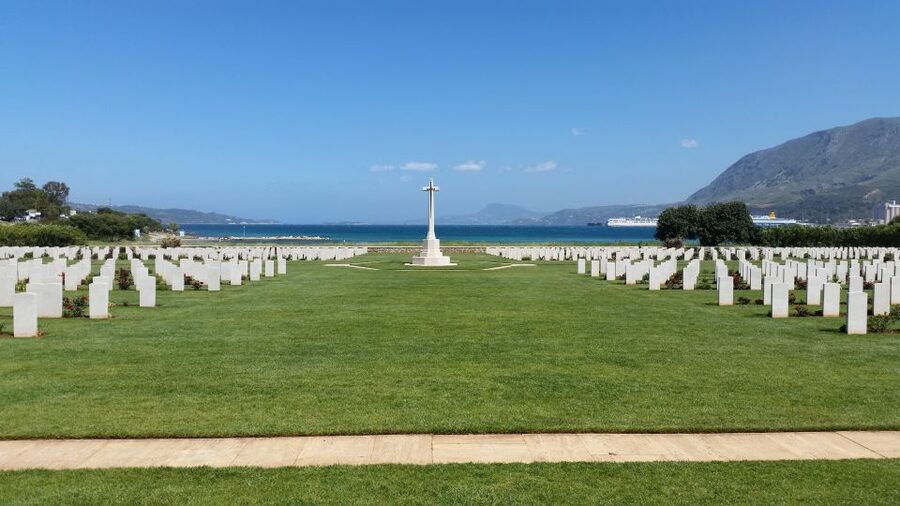
The battle of Galatas is where the tour tightens the story. Crete’s Battle did not happen in a vacuum. The tour sets you up with the circumstances that led to Operation Mercury, and it connects that to the wider conflict that includes the Greek-Italian War of 1940.
That lead-in is practical. If you arrive thinking Operation Mercury was simply a sudden invasion twist, you’ll probably leave with a more grounded sense of how plans, pressure, and shifting control in the region set the stage. When you then stand at Galatas-related sites, the story has weight. You can follow the sequence and understand why events snowballed.
This is also one of the stops where the guide’s style really matters. In the best versions of the tour, you can expect a clear chronological walkthrough, often reinforced by maps and documents. Guides like Yanis have been praised for keeping the battle explanation logical and chronologically understandable, so even if you’re starting from zero, you’ll still be able to track what happened and when.
A few more Chania days worth comparing
- From Kissamos Port: Boat Cruise to Balos Lagoon & Gramvousa
★ 4.2 · 6,755 reviews - From Chania: Full-Day Samaria Gorge Trek Excursion & Guide
★ 4.6 · 3,191 reviews - Cretan Safari – 4×4 Adventure to Preveli Beach with Lunch
★ 5.0 · 780 reviews - Elafonissi Beach Day Trip from Chania -Stop in Elos Village
★ 4.5 · 744 reviews
Secret Shelters, Small Museums, and Local Finds That Make It Human
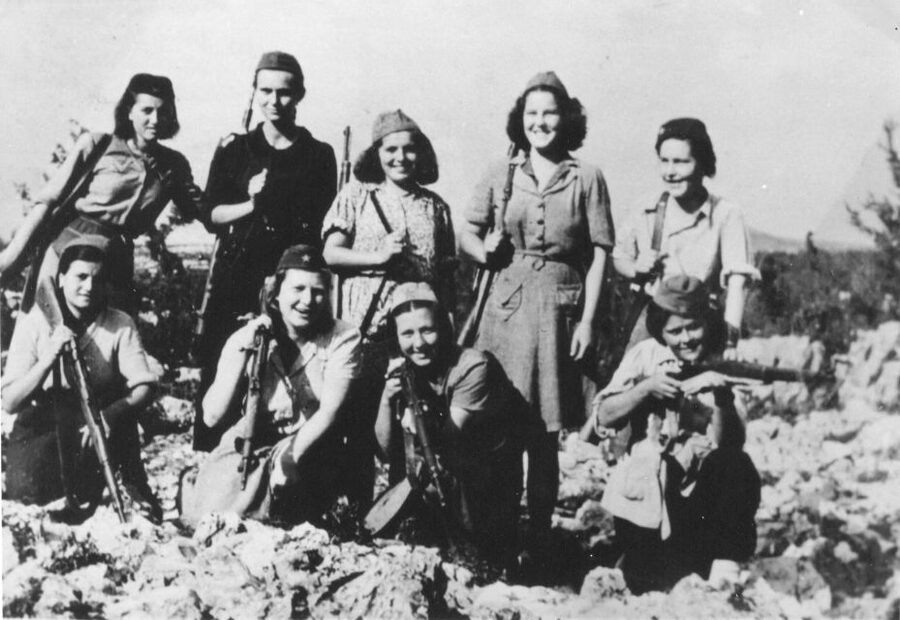
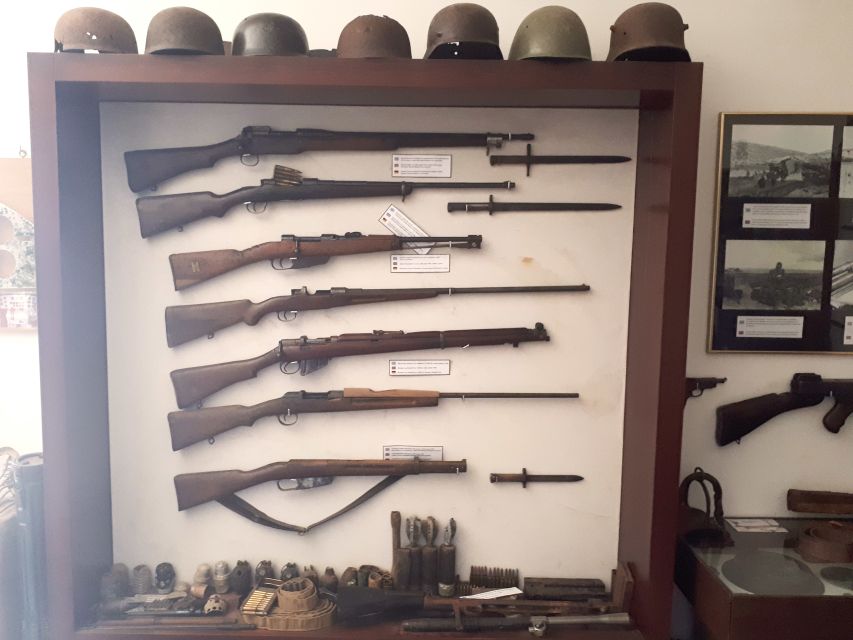
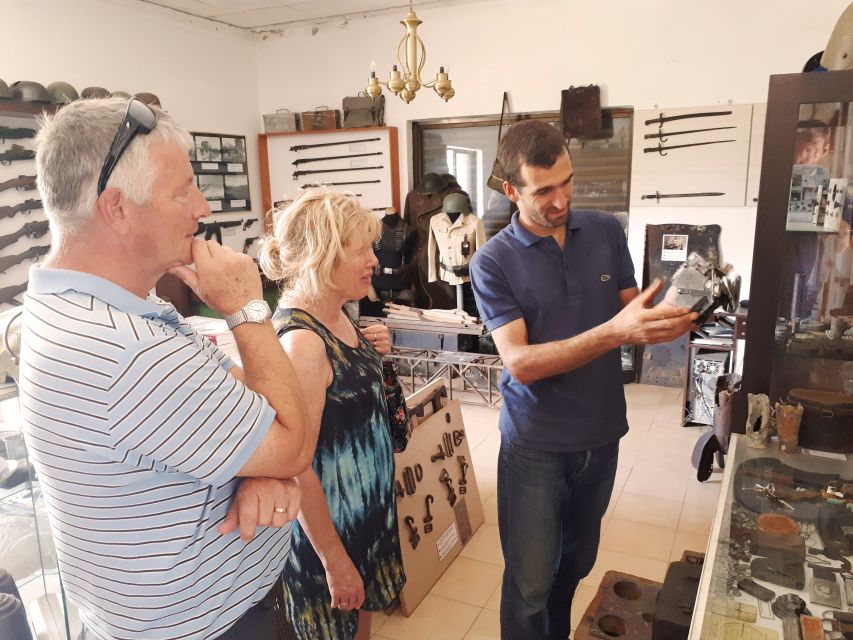
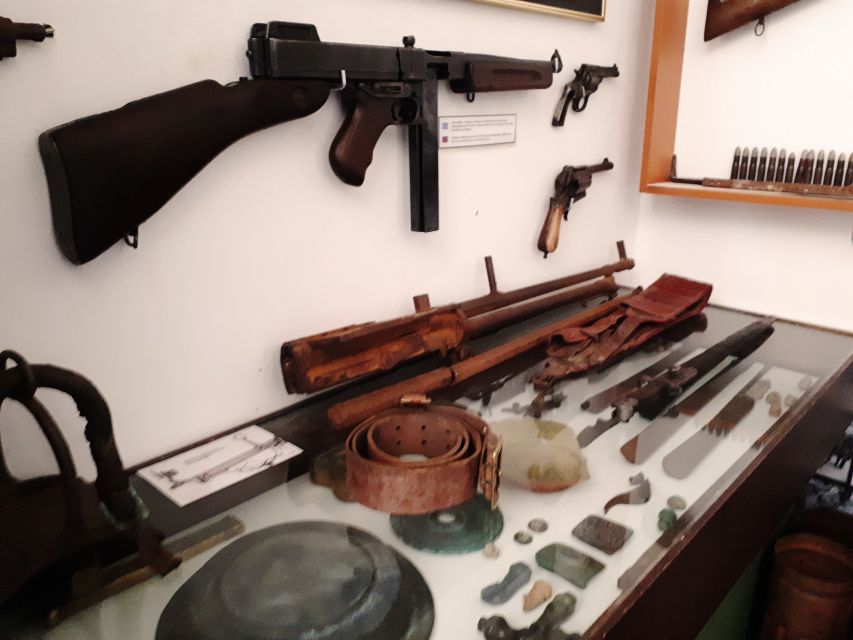
One of the strongest parts of this tour is the focus on the “in-between” places, the parts that add texture to the battlefield locations. You’ll have time for small museums and other WW2 remnants, and you’ll hear about secret shelters and monuments that reflect how people lived under threat.
These stops do something big for your understanding: they move the story from tactics to daily survival. Shelters also change what you think of when you hear terms like occupation and resistance. Instead of imagining only battles and headlines, you picture hiding, improvising, and waiting for the next move.
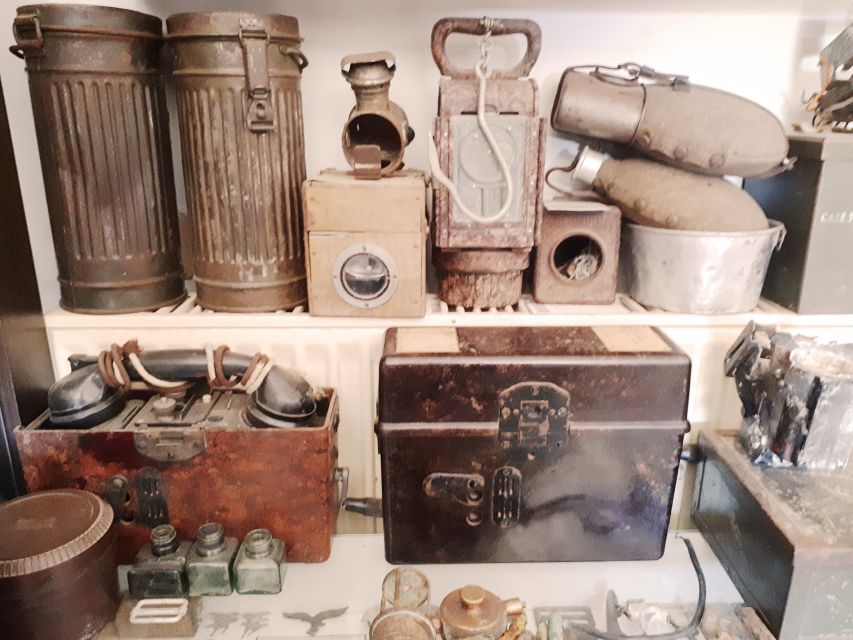
A standout add-on you may encounter on some days is a visit connected to a local private collection of WWII items. Several guides and host setups on this route are known for bringing artifacts into the narrative, with explanations tied to where items were found. That kind of stop can be surprisingly moving, because it makes the war feel close to the ground level rather than locked inside history books.
You should also expect a “real people” layer at times. For example, there’s been at least one experience where a member of the public shared a family story tied to the war. Moments like that are why small group tours often feel more personal than large bus tours.
German and Allied War Cemeteries: Why the Details Feel So Carefully Done
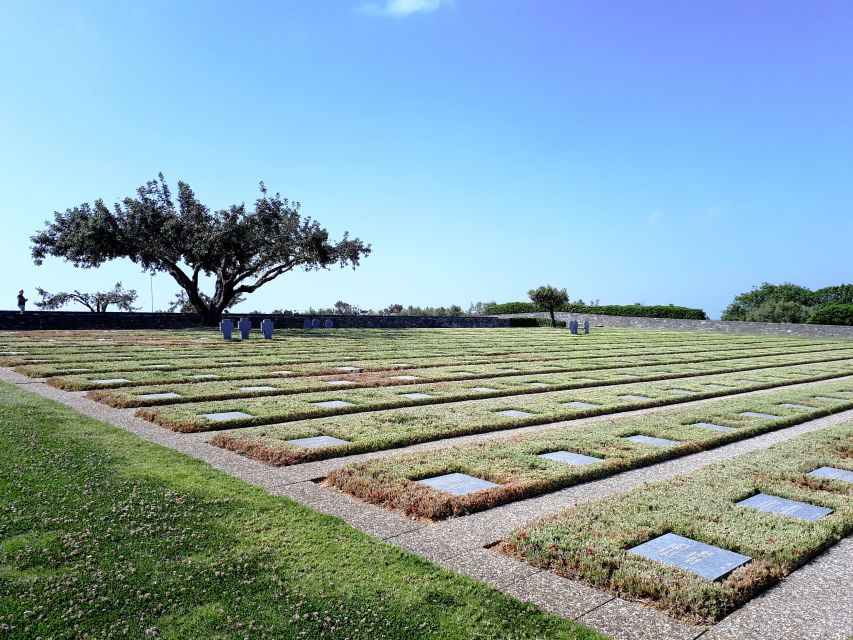
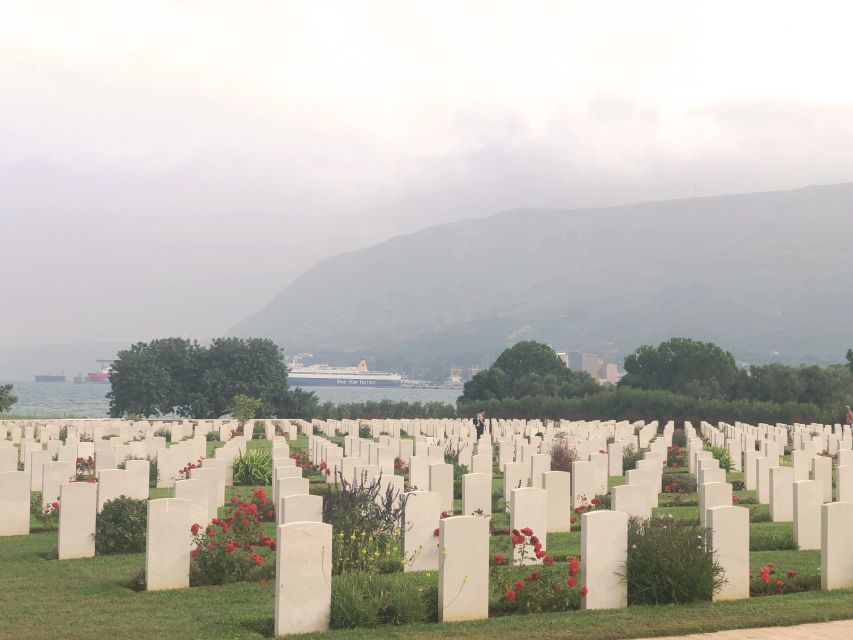
The tour’s final act is the cemetery portion, visiting the war cemeteries of German and Allied forces. This section is where the tone shifts from explaining battles to honoring consequences.
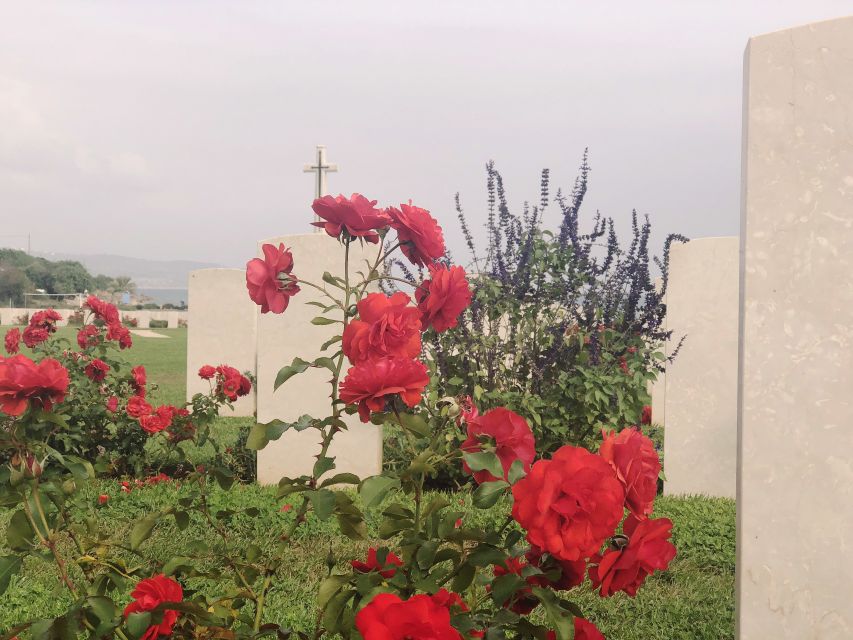
You’ll see well-preserved graves, and the care put into maintenance is part of the experience. In particular, one account praised how sensitive the German graves felt, and that matters because it shapes how you interpret memory. World War II history is often told with anger. Cemetery visits force a different question: what did this cost human beings?
For Allied visitors, the tour’s value can be deeply personal. There’s been at least one story shared where the stop helped connect to a family member’s experience in the Battle of Crete, and that kind of connection can turn a history lesson into a meaningful moment of reflection.
Also, the order helps. Because you’ve already walked battle areas and learned the campaign shape, the cemetery stops land with context. You’re not seeing graves “in isolation.” You’re seeing endings to a sequence you now understand.
Price and Logistics: Is It Worth $111 for a 6-hour Day?
At $111 per person for about 6 hours, this isn’t the cheapest way to see WWII sites. It also isn’t a high-end private guide cost. The value is in what’s bundled.
You get:
- Pickup and drop-off in the Chania region
- Transportation in an air-conditioned minivan
- An English-speaking driver/guide plus a local guide
- Entrance fees and local taxes
- A snack and a bottle of water per person
If you’re the type of traveler who wants the story connected to the ground, the bundled guide and entry fees can tip the math toward worth it. Doing this alone means you’d need to handle driving, navigation, and planning access to small museums and less obvious remnants. A good guide also makes the difference between memorizing facts and understanding why the battle unfolded the way it did.
Pacing is the main “cost” you pay in return for that value. The tour packs multiple significant stops into one day, and that’s why comfort breaks can feel tight. More than one person raised the same point: there’s typically only one scheduled comfort break. Some guides have tried to accommodate an extra stop at a supermarket when asked, which is worth knowing. Plan for that, and you’ll feel much less rushed.
Who This Tour Suits Best, and Who Might Want to Choose Something Else
This tour is a strong fit if you want:
- A clear explanation of how Operation Mercury connects to the broader war
- A guided route that hits Maleme, Tavronitis Bridge, Galatas, and cemetery visits
- Context plus physical sites, including shelters and small museums
- Small-group handling, so you can ask questions and keep the narrative flowing
It’s also a good choice for first-timers to the Battle of Crete. You won’t need to arrive with pre-reading. The day is built for people who start with headlines and leave with a map in their head.
It might feel like too much if you:
- Want a slow, unstructured day with long meals and lots of downtime
- Have very limited mobility and need frequent, guaranteed rest stops (you should ask in advance about pacing and support)
- Hate outdoor walking around monuments and memorial sites
That said, there’s been praise for how guides handle mobility issues in a careful way, so it’s not totally off the table. It just means you should communicate what you need and wear comfortable shoes.
Should You Book This Crete World War II History Tour?
Book this tour if you want WWII history with geography, not just dates. The Maleme airfield viewpoint, the Tavronitis and Galatas connections, and the cemetery visits work together to form a real understanding of what happened and why it mattered to the broader Allied story.
Skip it only if you strongly prioritize long breaks and a relaxed pace. The day is structured and time-efficient, and the comfort break situation can be tighter than you’d like.
If you’re even mildly interested in the Battle of Crete, you’ll likely appreciate the way the guides named in this route, including Yanis and Babis, explain the story step-by-step with maps, documents, and care for tone. It’s the kind of tour that makes the island’s past feel close, careful, and human, not distant and abstract.
FAQ
Where does pickup and drop-off happen?
Pickup and drop-off are included from specific locations in the Chania region. The tour only departs from the Chania region.
How long is the tour?
The duration is 6 hours.
Is this a small group tour?
Yes, it is listed as a small group tour.
What languages are available?
The tour provides a live guide in English and Greek.
What World War II sites are included?
You’ll see the Maleme airfield from above, visit Tavronitis Bridge, learn about the battle of Galatas, visit monuments and battle remnants (including secret shelters and small museums), and go to the war cemeteries of German and Allied forces.
What is included in the price?
The tour includes pickup and drop-off, air-conditioned minivan transportation, an English-speaking driver/guide, a local guide, entrance fees, and local taxes.
Is food and water included?
Yes. You get a snack and a bottle of water per person.
Are there comfort breaks during the day?
The day includes a scheduled comfort break. Some guides have arranged an additional stop when asked, so it helps to let your guide know your needs.
What should I bring?
Wear comfortable shoes.
Can I bring a pet, and is there free cancellation?
Pets are not allowed. Free cancellation is available up to 24 hours in advance for a full refund.
Fresh options around Chania
- Winery Tour and Kourna’s Lake from Rethymno★ 5.0 · 4 reviews
- From Chania Private half day Winery-Olive factory-Kournas lake★ 5.0 · 50 reviews
- Wine, Beer, Olive Oil Tasting Private Tour (price per group of 6)★ 5.0 · 4 reviews
- Wine Tasting: Meet the Cretan Vineyard at West Chania★ 5.0 · 22 reviews
- Wine, Dine & Divine: A Cretan Odyssey in Chania.★ 5.0 · 5 reviews
- Mythical Escape: Cave of Zeus & Knossos Palace with Lassithi Plateau from Chania★ 5.0 · 18 reviews
- Minoan Crete from 3.000 BC: Knossos Palace & Museum with Wineries from Chania★ 5.0 · 6 reviews
- Wine & Olive Oil Tour with lunch at the White Mountains★ 5.0 · 71 reviews
Historical Tours, compared.
Richtis Waterfall, History, Azoria, OliveTasting, NorthCoast
Read our review →
Heraklion Highlights: Knossos, Museum & Historic City Drive
Read our review →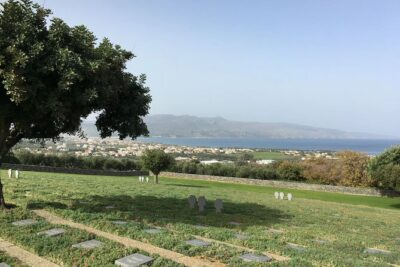
Battle of Crete Full Day Private Tour in Chania
Read our review →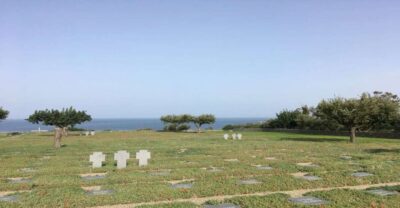
Chania Battle of Crete Private Tour: WW2 Military History
Read our review →
Imbros Gorge – War Museum Askifou – Iligas Beach Private Tour
Read our review →
Browse the lists this tour appears in