
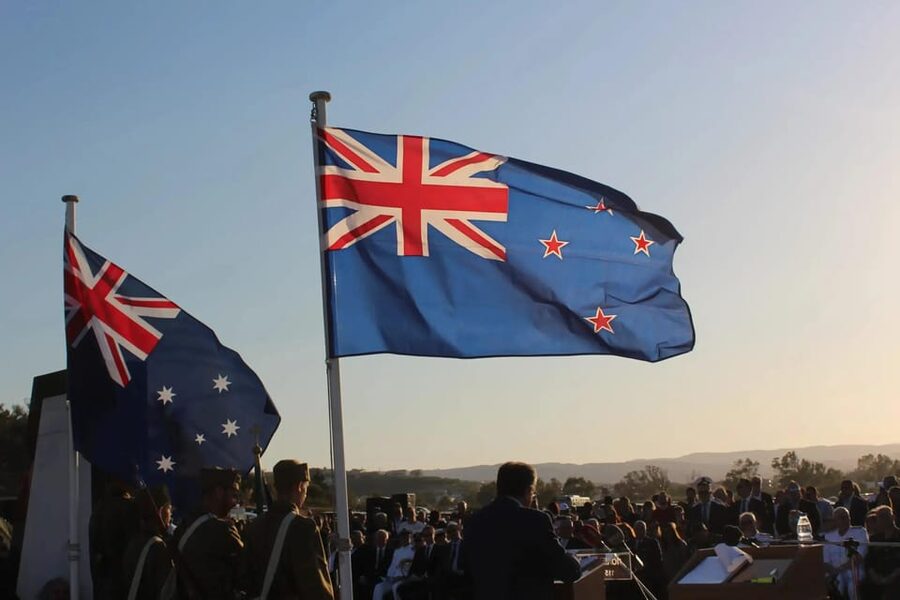
Reviewed · HISTORICAL TOURS
Chania: Battle of Crete and WW2 History Tour with Bunkers
World War II in western Crete hits different when you walk the ground where Maleme and Operation Mercury played out. This is a private, historian-led day with Apostolis, focused on what mattered on the ground and what you can still see today.
I love the way the guide uses original photos for a now-and-then comparison, so places like Hill 107 and the German cemetery stop being a line on a map. You are not just looking at ruins, you are tracking how the same spot changed.
One thing to consider: the day includes walking in desolate areas and it is listed as not suitable for wheelchair users or people with mobility impairments. Comfortable shoes and a steady pace help a lot.
Key highlights you will feel from the first stop
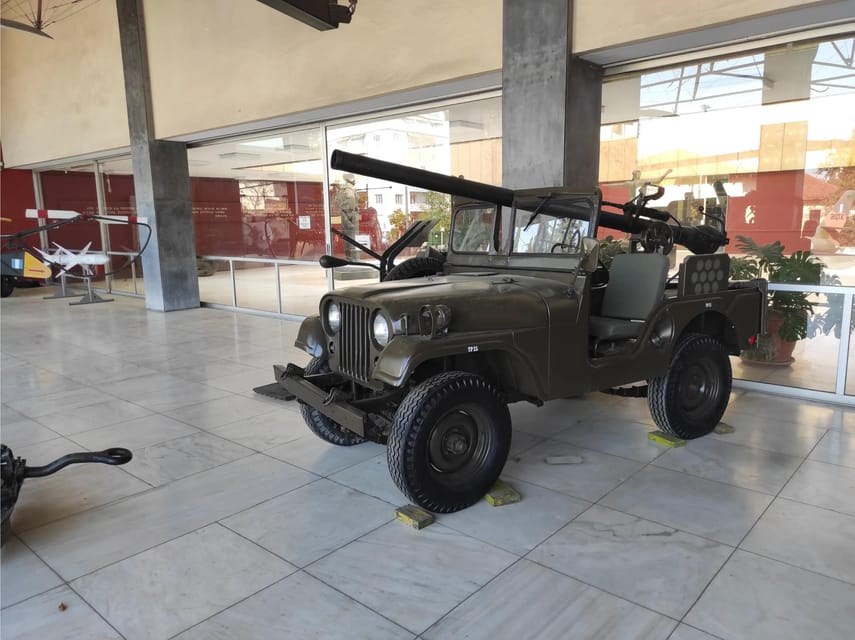
- A licensed historian guide (Greek Ministry of Tourism), led by Apostolis
- Maleme airfield area plus Hill 107, with battle sites tied to the airborne assault story
- Now-and-then photo comparisons, using original historical archives
- German bunker exploration, plus lesser-known WW2 lookouts and observatories
- Cemeteries from both sides, including a German war cemetery and the Allied war cemetery in Souda
- Private format with pace flexibility, adapted to what you want to prioritize
Maleme to Operation Mercury, what you are really seeing in Chania
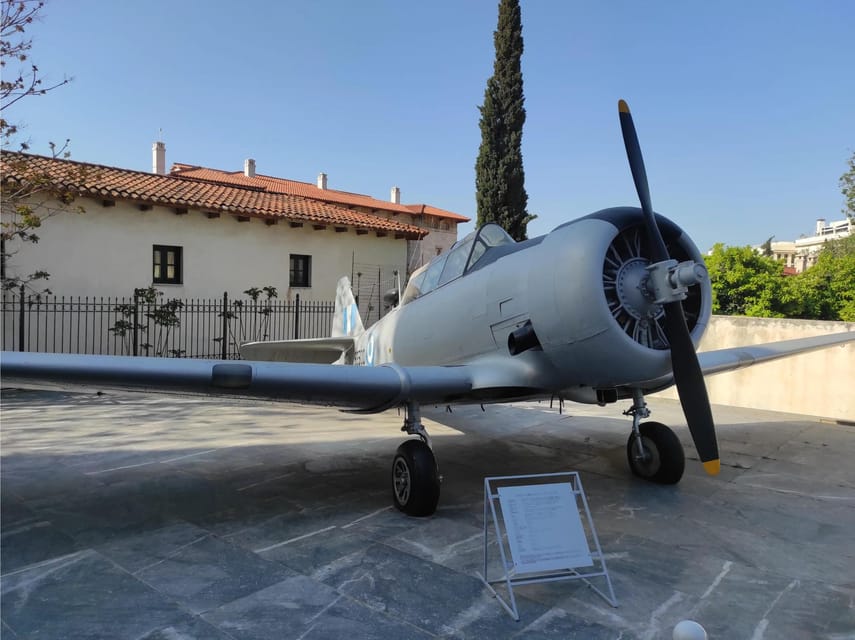
If your idea of World War II tourism is mostly plaques and tidy museum rooms, this tour is a good shake-up. You start by heading out from Chania toward Maleme, the airfield area that mattered early in the Battle of Crete. From there, you follow the logic of the fighting across nearby battlefields and up toward Hill 107, where the terrain shaped who could hold what.
The key here is that the day is not built around a single viewpoint. It is built around locations, movement, and how the war story connects across different spots. That is what makes Operation Mercury feel concrete, not abstract.
You will also get a clearer sense of why the Axis attack was aimed at Greece in the first place, tied to Operation Marita. The tour connects that bigger strategy to the details you walk through.
More historical tours in Chania:
- Chania Battle of Crete Private Tour: WW2 Military History
★ 5.0 · 16 reviews - From Chania: Zorbas Beach, Agia Triada, Allies War Graves
★ 4.8 · 4 reviews - From Heraklion: Historical Center City Tour & Knossos Palace
★ 4.4 · 340 reviews
Meet Apostolis, the historian who keeps the day human
A big part of the experience is the guide. This is led by an English and Greek historian who is licensed by the Greek Ministry of Tourism, and the standout factor is how he uses historical evidence in a practical way.
In my favorite moments, Apostolis steps back and lets you absorb what is in front of you. He does not flood you with dates and names. Instead, he brings in original images so you can compare the terrain then versus now. It is a simple trick, but it works because it forces your brain to do a real connection, not just listen.
One review detail worth highlighting for you: the tour can move at your pace. If you want time for questions, or you want to linger somewhere quiet, Apostolis is set up to adapt. That matters on a topic as heavy as this one, because it is not the kind of day you want to feel rushed through.
Maleme airfield area and Hill 107, where the terrain does the storytelling
You spend real time in the Maleme area, not just a quick drive-by. The day includes guided sightseeing, a photo stop, and then time on foot. That sequence is important. First, you get oriented. Then you get a chance to frame what you are seeing. Finally, you walk it, so the sightlines make sense.
During these stops, Apostolis ties the battle sites to the airborne assault story. You will hear how the early fighting unfolded and what it meant for the wider campaign in Crete. Even if you have read about the Battle of Crete before, walking the ground helps you understand why some positions mattered more than others.
Then comes Hill 107, one of those places where the view is not just scenic. From the ground, you can understand why control of the height was worth fighting for. Hill 107 also becomes a natural anchor point for the rest of the day, because it helps you track how the battle shifted across nearby locations.
RAF memorial, a contested bridge, and cemeteries that keep both sides in view
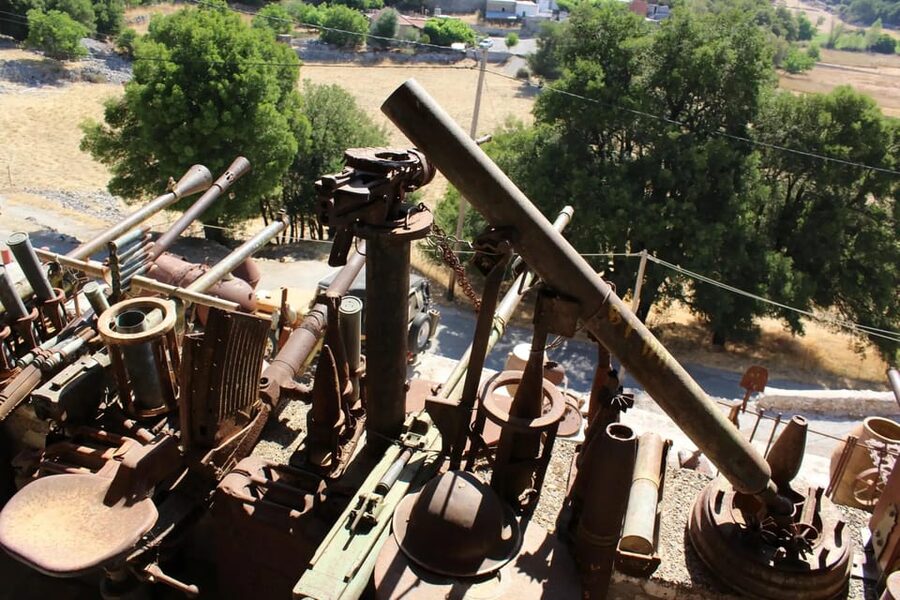
After Maleme and Hill 107, the tour shifts into the parts of the story you feel in your body: memorials, bridges, and burial grounds. You will visit areas tied to the RAF memorial and a contested bridge tied to the fighting. These are specific locations, and that specificity makes the story sharper.
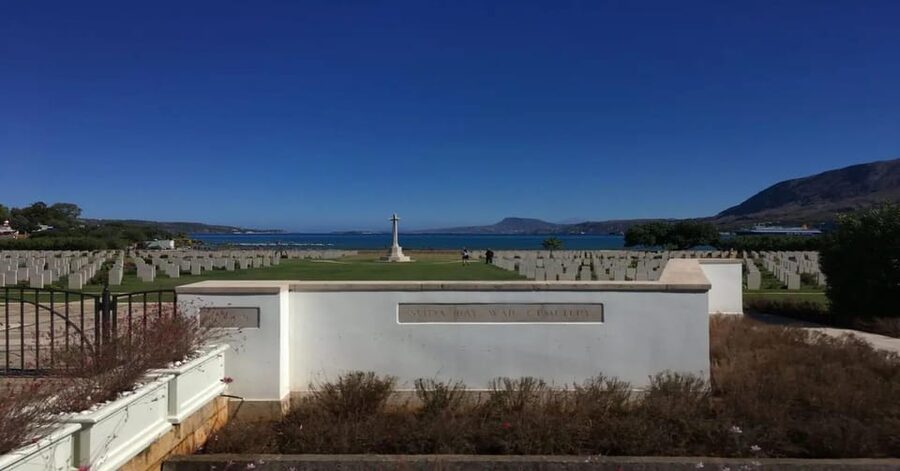
Then you reach the German war cemetery, and later, the Allied war cemetery in Souda. Seeing cemeteries on the same day as bunkers and battle sites gives the tour an essential balance. It is easy to focus on the tactical story, but these stops bring the human cost back into the frame.
A note on how the guide handles it: the cemeteries are treated with the right tone. You get explanations, but you also get the quiet space to process the weight of what you are seeing.
A few more Chania days worth comparing
- From Kissamos Port: Boat Cruise to Balos Lagoon & Gramvousa
★ 4.2 · 6,755 reviews - From Chania: Full-Day Samaria Gorge Trek Excursion & Guide
★ 4.6 · 3,191 reviews - Cretan Safari – 4×4 Adventure to Preveli Beach with Lunch
★ 5.0 · 780 reviews - Elafonissi Beach Day Trip from Chania -Stop in Elos Village
★ 4.5 · 744 reviews
Platanias bunker and Galatas, the day’s quieter stops with big meaning
Not every meaningful location is a famous monument. Part of what you are paying for is access to places that are away from the obvious paths and that help explain the campaign at a local level.
Around Platanias, you do a guided visit with scenic stops along the way. You also get to see a Platanias bunker, tied to the German defensive setup during the fighting. You might not think a bunker would feel cinematic, but once you stand near one, you start noticing how the structure, the position, and the surrounding terrain all work together.
The tour also includes Galatas and a former POW camp. These are the kinds of places that fill in the gaps between the headline events. They help you understand how the battle affected ordinary lives, and what happened after the fighting shifted from one phase to the next.
Unknown German bunkers and WW2 lookouts, the open-air museum moment
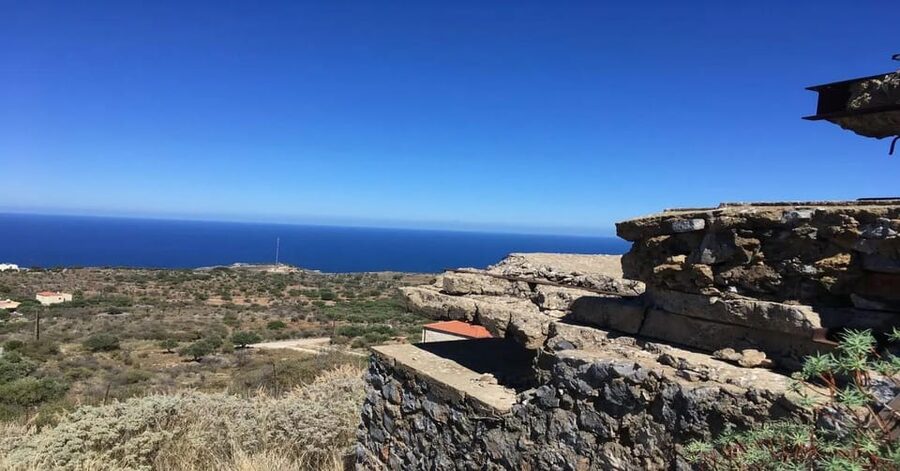
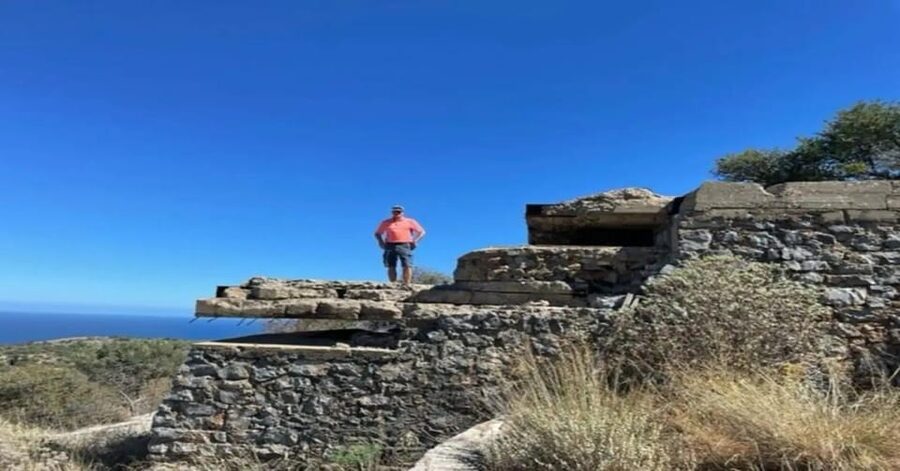
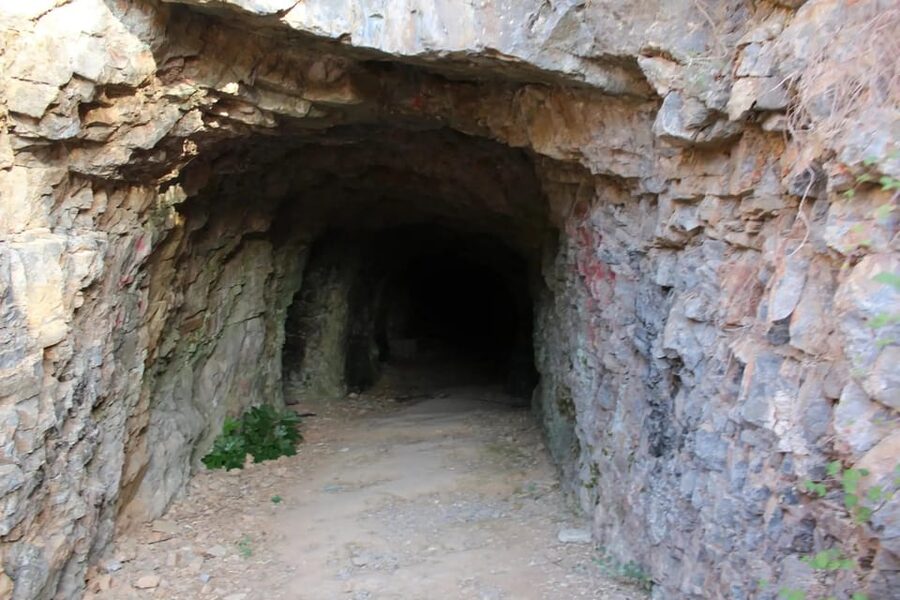
This is the part many people remember afterward. The tour includes exploration of an abandoned German bunker system in an undisclosed location, plus visits to unknown WW2 lookouts and observatories.
Here is why this matters for you: bunkers and lookouts are where the war becomes practical. You stop thinking about it as a story and start thinking about it as engineering and surveillance. The tour frames these sites in relation to the wider German defensive installations seen across Greece during the conflict, so you can connect the dots from site to site.
You will also get a real sense of scale, including views from the lookout points and what the bunker layouts suggest about how troops expected to defend or observe. The atmosphere is open-air, so you feel the wind, the light, and the emptiness around you. That emptiness is part of what makes the relics hit harder.
One small but useful detail: because the bunker location is undisclosed until you get there, you cannot pre-game it online. You go in expecting history, not a curated photo spot.
Souda area cemetery and modern Crete, how the war story connects today
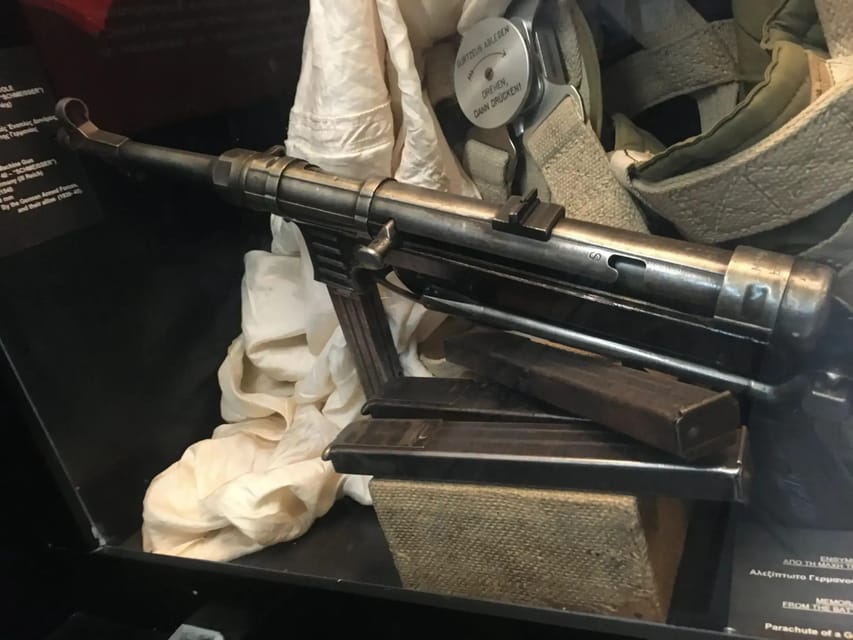
The tour does not end in 1941 and it does not pretend the war exists in a bubble. After you cover the battle-related sites and the Allied cemetery in Souda, you also get a guided look in the Chania area connected to the present.
In the day’s final stretches, you learn about modern Crete and military service, including why NATO has a base here. You might not come to a Battle of Crete tour expecting current geopolitics, but that part helps you understand continuity. Crete stays strategically important, and the tour ties that idea back to the way geography drives decisions.
It is a grounding element. You finish the day with both the scars from the past and the context of why they were never just history.
What 6.5 hours feels like when it is private and not hurried
This is a private tour, meaning you are with friends or family, not mixed into a big group. It lasts 6.5 hours, which is enough time to do meaningful stops without turning it into a blur.
You also get free pickup and drop-off from central Chania areas, and the guide waits about 5 minutes before the tour starts. You travel in a modern air-conditioned vehicle, so the ride between sites stays comfortable even if the day is warm.
Timing-wise, you should expect a mix of guided explanations and short walking segments, including time at Maleme that includes guided sightseeing plus time on foot. Then there are multiple stops where you are likely to stand still for photos, and then move again.
The private format really helps here. If you want more time at a cemetery, you can ask for it. If you want fewer stops and more focus on bunkers, that is the kind of preference the guide can adapt to.
Price and value at about $200 per person
At $200 per person for a half-day plus, what you are actually buying is more than transport.
You get:
- a private day with a historian guide licensed by Greece’s Ministry of Tourism
- air-conditioned private transport
- multiple major Battle of Crete sites, including the Maleme area and Hill 107
- visits to German bunkers, plus WW2 lookouts/observatories
- both a German war cemetery and the Allied war cemetery in Souda
- original historical archives and photos for now-and-then comparisons
- surprise gifts at the end of the tour
- full liability insurance and taxes
There is also one key practical cost note: food and drinks are not included, and there can be an additional 5 euro per person entrance fee for a Battle of Crete war museum if you choose to go. The tour can also skip ticket lines where applicable.
So is it worth it? For me, the value hinges on your interest level in WWII detail and your comfort with walking. If you want the story told carefully at real locations, and you like evidence-based guiding, the price makes sense. If you only want a light overview and minimal walking, a shorter or more general tour could be a better fit.
Practical tips: shoes, sun, water, and camera angles
Plan for a day outdoors on uneven ground. Bring comfortable walking shoes, a hat, sunscreen, and water. A camera helps because the now-and-then approach makes for meaningful photos, not just random snapshots.
Also think about your pace. This tour is described as not suitable for children under 8 and not suitable for wheelchair users or people with mobility impairments. At the same time, the tour information also states wheelchair access, which is confusing. If you need mobility support, confirm directly with the operator before booking so you do not get stuck with mismatched expectations.
If you are prone to getting warm, this is the kind of day where air-conditioned driving helps, but the outdoor stops still require basic sun protection.
Should you book the Chania Battle of Crete and bunkers tour?
Book it if you want a WWII tour that treats the battle as a geography problem, not just a lecture. You will like it if you enjoy:
- Maleme airfield and Hill 107 as anchors
- cemeteries and memorials placed in context
- abandoned German bunkers, lookouts, and observatories
- guided comparisons using original photos and archives
- a private pace that can flex
Skip it if you want a very easy walking day, or if your mobility needs are not compatible with outdoor uneven terrain. Also consider choosing a lighter option if you mostly want a quick overview and you are not interested in bunker and lookout sites.
FAQ
How long is the Chania Battle of Crete and WW2 bunkers tour?
It runs for 6.5 hours.
Is this tour private?
Yes. It is a private group, so you are alone with your friends and family rather than joining strangers.
What languages does the historian guide speak?
The live tour guide speaks English and Greek.
What sites are included during the day?
You visit the Maleme area, nearby battlefields and Hill 107, cemeteries including the German war cemetery and the Allied war cemetery in Souda, and you also explore abandoned German bunkers plus unknown WW2 lookouts and observatories. There are also stops in the Platanias area and other significant locations connected to the battle.
Is food included?
No. Food and drinks are not included, so you will want to plan water and a snack.
Is it suitable for kids or wheelchair users?
Children under 8 years are not suitable. The information also states it is not suitable for people with mobility impairments and wheelchair users, even though it lists wheelchair accessibility. If you have mobility needs, you should confirm with the operator before booking.
Fresh options around Chania
- Preveli Beach and Plakias Full-Day Trip From Rethymno★ 4.0 · 59 reviews
- Private professional Vacation photoshoot in Chania★ 5.0 · 4 reviews
- Rethymnon Olive Tree Sponsorship Protect and Plant Tour★ 5.0 · 5 reviews
- Paragliding Tours in Crete★ 5.0 · 33 reviews
- Private – Jeep Safari Tour with Lunch and Tastings★ 5.0 · 35 reviews
- Limnoupolis Water Park All in★ 3.5 · 28 reviews
- Limnoupolis Water Admission Ticket★ 4.5 · 9 reviews
- Private Tour Knossos Palace-Archaeological Museum-Heraklion Town★ 4.5 · 11 reviews
Historical Tours, compared.
Richtis Waterfall, History, Azoria, OliveTasting, NorthCoast
Read our review →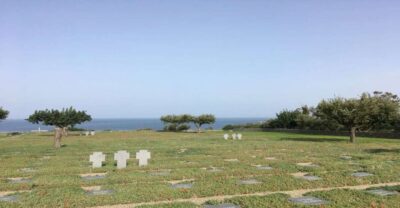
Chania Battle of Crete Private Tour: WW2 Military History
Read our review →
Browse the lists this tour appears in