
Reviewed · CHANIA TOURS
Wine, Dine & Divine: A Cretan Odyssey in Chania.
If you want a Chania day that feels like Cretans built it for real life, this Wine, Dine & Divine outing hits the sweet spot. You start with a quiet, centuries-old monastery, then move through the olive world, and end with wine and a wood-fire taverna meal. It’s a simple route, but the stop mix tells a story.
I especially like two parts: the 9th-century Odigitria Gonia Monastery with its Byzantine frescoes and sacred relics, and the final winery experience that pairs olive oil knowledge with a hands-on tasting. One thing to weigh, though, is that the taverna stop is where your own meal costs land, since lunch is not included.
Another plus is the human touch. The guide, Michial, gets high marks for being flexible, which matters when timing shifts or you want a few extra minutes to look around. The main consideration for your planning is the weather: the tour requires good weather, and that can affect whether you keep your date.
Key highlights to watch for
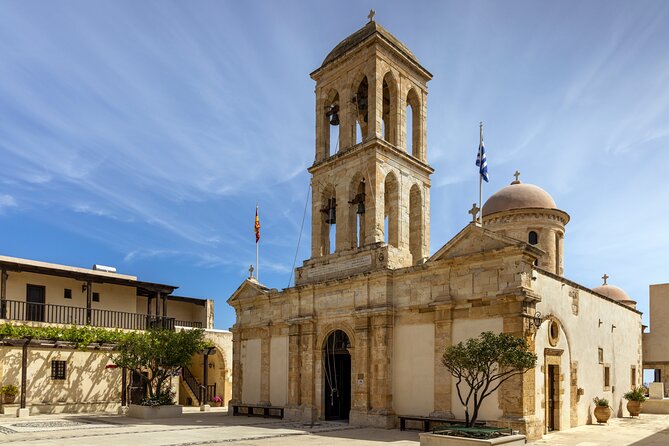
- Odigitria Gonia Monastery: Byzantine frescoes and relics, with a 45-minute visit that’s enough time to take it in
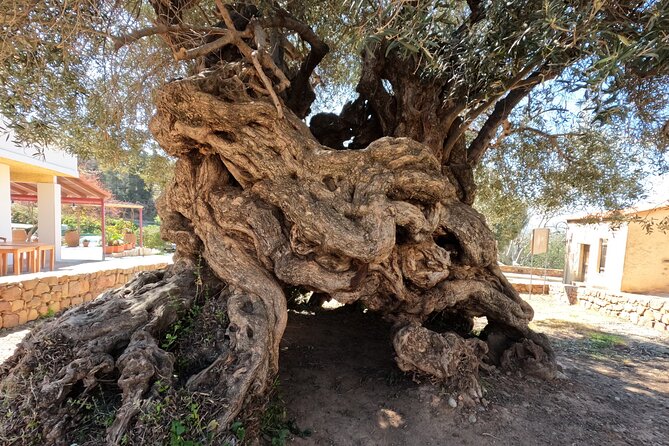
- Vouves ancient olive tree: a 3,000-year-old living landmark you walk under, with the museum also included
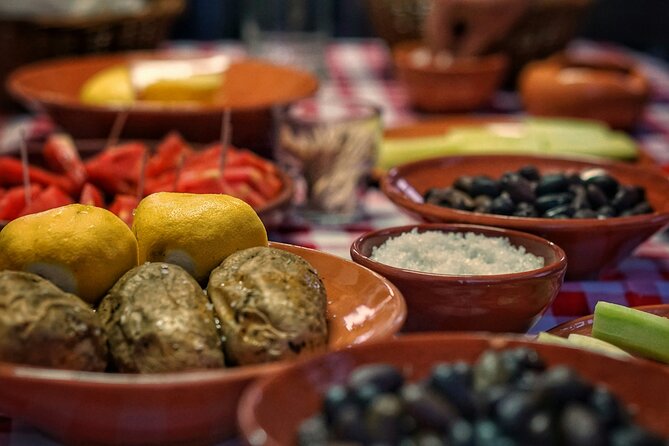
- Anoskeli winery and olive mill: guided production tour plus a tasting of indigenous grape wines and extra virgin olive oils
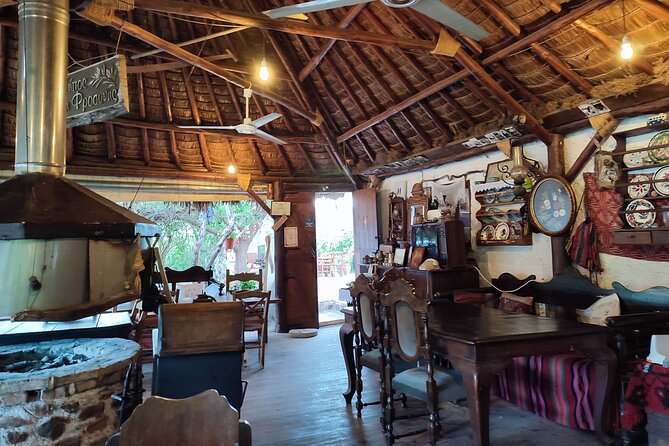
- Wood-fired cooking at Frosini’s Garden: slow-cooked Cretan dishes with a strong fire-forward focus
- Private, small-group format: your group stays together, making it easier to set a relaxed pace
- Admissions largely included: you’re not constantly paying entry fees during the main stops
A Private Chania Day That Feels Like a Local Circuit
This tour works because it’s built like a Cretan day, not a checklist. You start with spirituality, shift into agriculture, then finish with wine and fire-cooked food. That flow matters, because it helps you understand why the island eats and drinks the way it does.
You’ll be traveling in an air-conditioned vehicle, and it’s set up as a private experience for your group. That means you are not stuck waiting while strangers slow-walk through every room. It also means your guide can nudge the timing if the moment feels right, which is exactly what people praised about Michial, especially his flexibility.
The drawback is also part of the same setup. Because it’s private and sized for a small group (up to 3 per booking), you don’t get the lively, mixed-group energy that some people enjoy. If you like conversation with random people, you might miss that. If you prefer a calm, focused day, it’s a win.
A few more Chania days worth comparing
- From Kissamos Port: Boat Cruise to Balos Lagoon & Gramvousa
★ 4.2 · 6,755 reviews - From Chania: Full-Day Samaria Gorge Trek Excursion & Guide
★ 4.6 · 3,191 reviews - Cretan Safari – 4×4 Adventure to Preveli Beach with Lunch
★ 5.0 · 780 reviews
Pickup, Timing, and Comfort Matters More Than You Think
Pickup is straightforward. Your driver meets you at the hotel entrance and holds a sign with the company name. You also get a mobile ticket, plus WiFi on board and private transportation. Those small details add up, especially if you start the day a bit travel-tired and just want everything to run smoothly.
Plan for 6 to 8 hours, with travel time already included in the total. That’s an ideal range for a half-day to full-day outing in Chania, because you’re not rushing like a bus tour, but you’re also not stuck out so long that you’re exhausted before the best food part.
If you’re sensitive to heat, the air-conditioned vehicle helps on the road. And if you’re traveling with a baby, there’s a complimentary baby seat available on request. Service animals are allowed too, so you can go with confidence about practical needs.
Stop 1: Odigitria Gonia Monastery and Its Byzantine Details
Your first stop sets the tone. The Monastery of Gonia, a 9th-century site, offers Cretan spirituality in a very tangible way. You get about 45 minutes there, and the admission fee is included.
What makes this visit worth your time is the visual layering. You’re not just looking at old walls. You’ll see Byzantine frescoes and you’ll learn about the monastery’s significance, including sacred relics tied to its story. A good monastery visit has two modes: quick orientation for your brain and slow looking for your eyes. The timing here gives you both.
A practical note: monasteries often have dress and etiquette rules. The tour description does not spell them out, so I’d treat this as a place where you should bring something that covers shoulders and respects the sacred feel. Comfortable shoes also help because you’ll want to move around calmly, not rush.
The one caution is simple: if you’re expecting big dramatic views more than art and quiet interior spaces, your time might feel more reflective than scenic. Still, for most people, this is the stop that makes the whole day feel “Cretan,” not just food-and-wine tourism.
Stop 2: Vouves Olive Tree Museum Under a 3,000-Year Canopy
Next comes one of the island’s most famous living icons: the ancient olive tree in the village of Vouves. You get about 30 minutes, and the admission ticket for the ancient olive tree and the museum is included.
This stop is not complicated, and that’s why it works. You walk beneath a tree whose branches have reportedly stood for over 3,000 years. Even if you don’t care about botany, the scale changes how you think about time. It also gives you a grounding connection to the rest of the day, because everything from olive oil to diet culture ties back here.
You’ll also get the cultural context: the olive tree is a symbol in Cretan tradition linked to longevity, fertility, and prosperity. That’s useful, because it turns olive farming from “background agriculture” into something people genuinely revere.
The only drawback is the short time. Thirty minutes is enough for a stroll and museum viewing, but if you like spending extra time photographing, sketching, or doing slow reading in museums, you might wish for a longer window. In that case, prioritize what you want to see first, and save the rest for a second visit if you’re staying in Chania more than a day.
Same stretch of Crete, a different kind of day:
- Elafonissi Beach Day Trip from Chania -Stop in Elos Village
★ 4.5 · 744 reviews - From Chania: Samaria Gorge with Professional Hiking Guide
★ 4.6 · 720 reviews - Chania/Almyrida: Balos Gramvousa Day Trip with Boat Ticket
★ 4.4 · 590 reviews - Stand -Up Paddleboard and Multi-Surprise Elements Tour in Crete
★ 5.0 · 554 reviews
Stop 3: Anoskeli Winery and Olive Mill, Where Oil and Wine Share a Table

By the time you reach Anoskeli Winery and Olive Mill, you’re ready for the sensory part. This is the most “show me, then taste” segment. You’ll get about 1 hour 30 minutes, with the tour and tasting included.
You start with a guided look at the production facilities. That’s the practical value: you see how olive oil production fits into the broader rhythm of Cretan agriculture, and how it connects to what ends up on your plate.
Then you move into tasting, and the tasting is built around two stars:
- wines made from indigenous grape varieties
- extra virgin olive oils produced on site
You also get a tasting setup described as including a variety of platers. That matters because it makes this stop feel like a meal experience, not just a quick sip.
Here’s how to get the most out of it: taste in order of intensity. Olive oils can vary from grassy and peppery to rounder and mellow, and wines can swing from bright to deeper. Taking a moment to notice that progression makes the whole thing feel smarter, not just sugary.
The possible consideration is obvious but worth saying: you’ll likely be tasting multiple things. If you plan to drive later, don’t. Also consider asking for smaller pours if you prefer to savor without going full tasting marathon.
Stop 4: Frosini’s Garden Wood-Fired Cretan Taverna Comfort
Your final stop is Frosini’s Garden, a traditional Cretan taverna where food takes its time. You’ll have about 2 hours here, and this is the stop where lunch is not included.
What’s special is the cooking method. Dishes are prepared over a wood fire, and the description gives you a strong sense of the food style: lamp roasted on a spit, hearty vegetable stew cooked in clay pots, and freshly baked bread drizzled with local olive oil.
This is the part I’d call the payoff. After monastery art and olive tree symbolism, you get food that tastes like it belongs to the island’s seasons and patience. Wood-fired cooking tends to concentrate flavors, and clay pot stew usually brings a slow, soft depth. Even if you are not a foodie, you’ll likely recognize the difference.
How to plan here: since lunch is not included, decide what you want before you order so you don’t feel stuck in a rushed choice. If you’re hungry when you arrive, go big on the wood-fire items. If you’re not as hungry, you can treat it as an enjoyable ending with lighter bites, but still plan for the bread and olive oil, because those are the easiest way to connect the whole day back to the olive tree theme.
Price and Value for a Small Group
The price is $512.02 per group, for up to 3 people. That sounds like a lot when you think per person, but the math changes when you consider what’s included.
Included in the main cost are:
- air-conditioned private transportation
- WiFi on board
- admission fees for the monastery and the ancient olive tree and museum
- the winery and olive mill tour and tasting (including the variety of platers)
- a complimentary baby seat upon request
So you are paying for time, access, and experiences, not just “getting driven somewhere.” For a small group, private logistics can be a real bargain compared to piecing together individual taxis plus paid entry tickets plus a tasting later.
The one cost you should expect outside the main price is the meal at the taverna. If you love wine and you actually eat at Frosini’s Garden, this can still feel like good value because the day is built around that tasting and that meal payoff.
Who it suits best:
- Couples and small friend groups who want a calmer pace
- People who care about how food and oil are made, not just where to take photos
- Anyone staying near Chania who wants a guided day without planning each stop
Is This the Right Fit for You?
If your idea of a great day is a mix of meaning and taste, I think this tour fits. The monastery gives you the cultural grounding. The olive tree stop connects you to the living ingredient behind everything. The winery and olive mill gives you production context plus tasting. And the wood-fire taverna gives you the final, comforting payoff.
I would skip it or rethink it if you:
- want a long beach-and-view type itinerary
- hate structured stops and prefer freedom above all
- are not interested in tasting wine and olive oil
It’s also worth booking with good weather in mind. The experience requires good conditions, and if it’s canceled due to poor weather, you’ll be offered a different date or a full refund.
Should You Book Wine, Dine & Divine in Chania?
Yes, if you want a private, guided Cretan day that connects spirituality, agriculture, and food in a logical sequence. The value is strongest for small groups because many admissions and the tasting are built into the cost. And with a guide like Michial getting praise for being flexible, you’re more likely to enjoy the day than feel herded.
If you’d like, tell me your travel month and whether you drink wine. I can help you decide how to pace the tasting and how to plan your taverna order so the day feels relaxed, not rushed.
FAQ
How long is the tour?
The tour runs about 6 to 8 hours, and travel time is included in the total duration.
Is pickup included?
Yes. Pickup is offered from the hotel entrance, and the driver will hold a sign with the company name.
Is the tour private?
Yes. It’s a private tour/activity, and only your group will participate. The pricing is per group for up to 3.
What admissions are included?
Admission is included for the Monastery of Gonia, and for the ancient olive tree and the museum. The winery/olive mill tour and tasting are also included.
Is lunch included?
No. Lunch is not included, and the taverna stop at Frosini’s Garden lists admission ticket not included.
What if the weather is poor?
This experience requires good weather. If it’s canceled due to poor weather, you’ll be offered a different date or a full refund.
Fresh options around Chania
- From Chania: Crete World War II History Tour★ 4.9 · 65 reviews
- Winery Tour and Kourna’s Lake from Rethymno★ 5.0 · 4 reviews
- From Chania Private half day Winery-Olive factory-Kournas lake★ 5.0 · 50 reviews
- Wine, Beer, Olive Oil Tasting Private Tour (price per group of 6)★ 5.0 · 4 reviews
- Wine Tasting: Meet the Cretan Vineyard at West Chania★ 5.0 · 22 reviews
- Mythical Escape: Cave of Zeus & Knossos Palace with Lassithi Plateau from Chania★ 5.0 · 18 reviews
- Minoan Crete from 3.000 BC: Knossos Palace & Museum with Wineries from Chania★ 5.0 · 6 reviews
- Wine & Olive Oil Tour with lunch at the White Mountains★ 5.0 · 71 reviews
Chania Tours, compared.
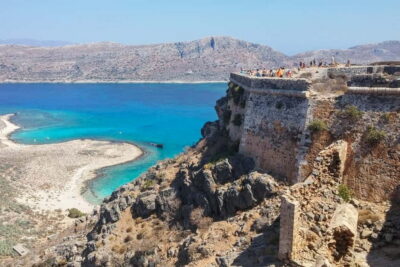
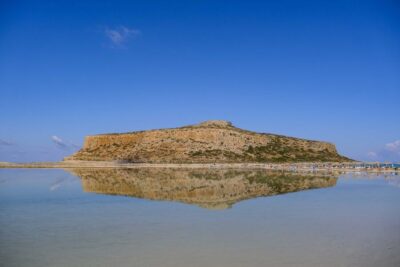
From Kissamos Port: Boat Cruise to Balos Lagoon & Gramvousa
Read our review →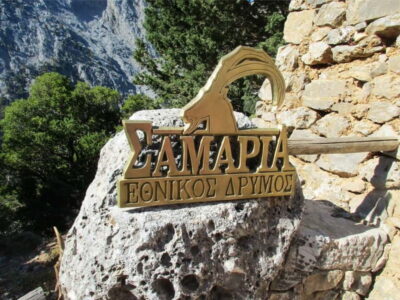
Full-Day Samaria Gorge Trek Excursion & Guide
Read our review →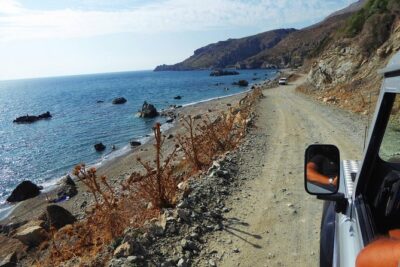
Cretan Safari – 4×4 Adventure to Preveli Beach with Lunch
Read our review →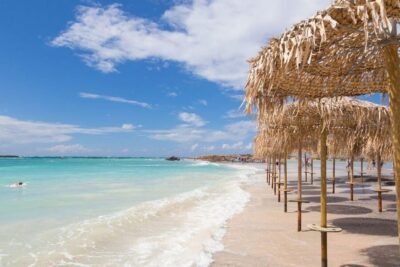
Elafonissi Beach Day Trip from Chania -Stop in Elos Village
Read our review →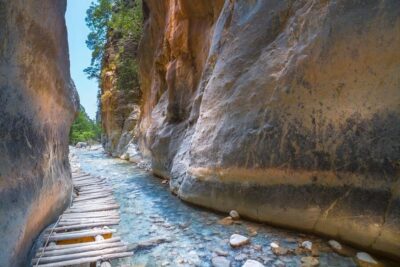
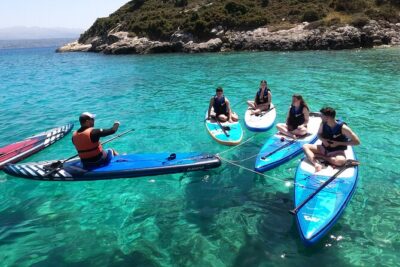
Stand -Up Paddleboard and Multi-Surprise Elements Tour in Crete
Read our review →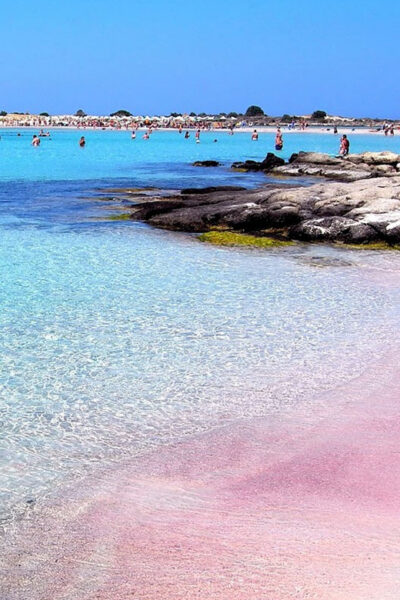
Elafonisi Bus Trip with Free Time and Stop in Elos
Read our review →Browse the lists this tour appears in