
Reviewed · MUSEUMS
Lychnostatis Open Air Museum: Entry Ticket with Add-Ons
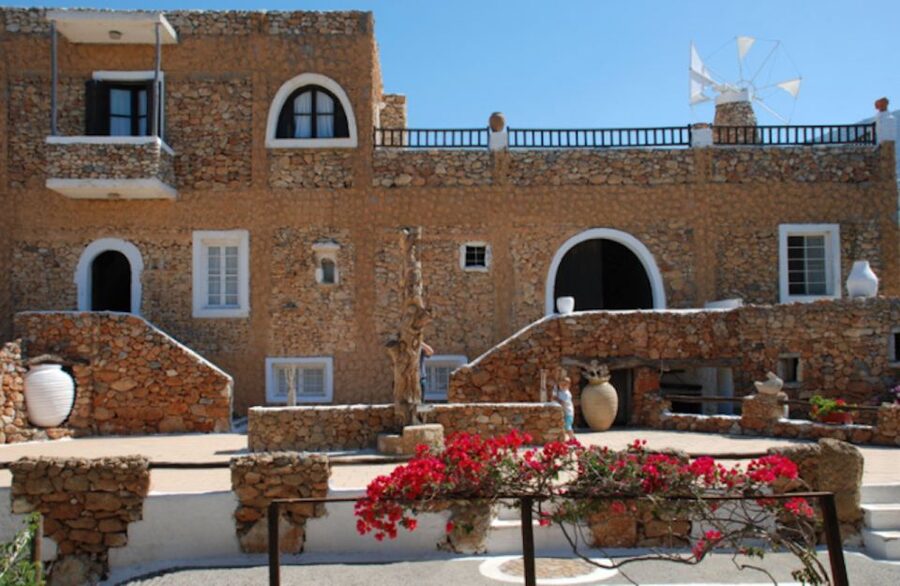
Lychnostatis Open Air Museum is interesting because it does not treat Cretan folk culture like a slideshow. It turns it into a real place you walk through, with traditional buildings, workshops, and everyday tools spread across the grounds. I especially love how the museum uses the physical setting to make the past feel practical, not just poetic (traditional houses and distillery interiors).
A second big reason I like it is that you can switch between hands-on, visual spaces and quieter learning spots. The library (with Cretan books and periodicals) and the indoor viewing spaces give you a break from the sun without dropping the theme. If you want something more structured, the optional film and private guided tour can tighten the story.
One drawback to consider is language. The live guide is Greek, so if you do not speak Greek, you will want to plan for the guided option (or be ready to rely on general understanding and the visuals).
Key reasons to go, beyond the ticket price
- Skip-the-line entry so you lose less time at the start
- Two types of add-ons (audiovisual film or private guided group tour) to match your style
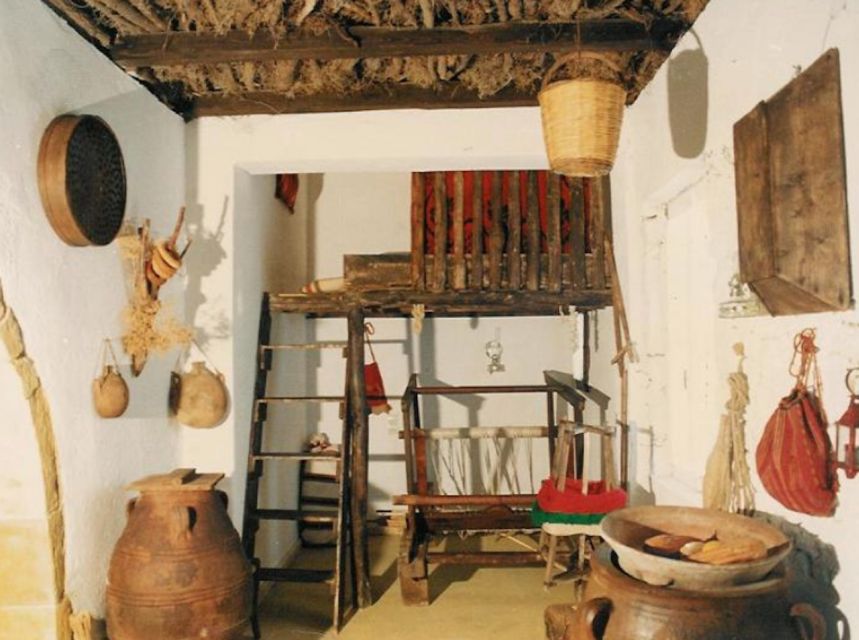
- A true village-house walkthrough, including how a distillery looks from the inside
- Workshops and trade spaces that explain daily life, from weaving to shoe-making
- Café stop for typical Cretan drinks or sweets to round out the visit
- Two performance spaces (100-seat auditorium and 250-seat open-air theater) for shows and events
A living village museum in Crete: what you’re actually walking through
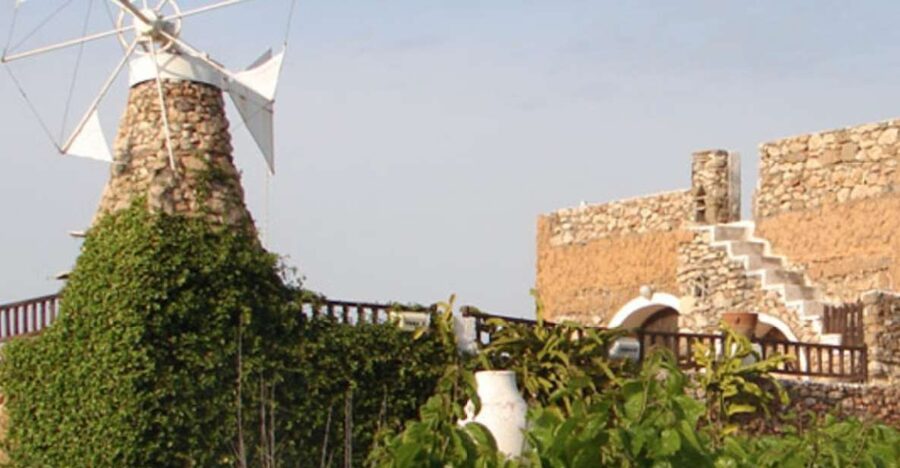
Lychnostatis Open Air Museum is built around one simple idea: if you want to understand a place, you should see how people lived, worked, and celebrated. You move between traditional dwellings and specialist spaces, so you are not stuck reading labels the whole time.
What I like about the layout is that it naturally creates momentum. One area gives you a “home” feeling, another shows a craft or production step, and another shifts to education and community spaces. By the time you reach the library and performance areas, you understand why the museum keeps connecting culture to environment and daily routines.
More museums and sites in Crete:
- Crete: Knossos Palace and Museum E-Tickets with Audio Guides
★ 4.0 · 828 reviews - Heraklion Archaeological Museum Ticket & Audio Guide
★ 4.3 · 396 reviews - Knossos Palace & Archaeological Museum Private Tour
★ 4.8 · 23 reviews
Ticket options that change the experience: film vs private guided group tour
Your core ticket is the entry pass plus free time to explore the museum at your own pace. That is a good baseline if you like wandering and stopping when something catches your eye.
Then you can add one of two upgrades:
- Audiovisual film: This is a structured way to get your bearings before or during your walk. It also pairs well if you want a short indoor reset.
- Private guided group tour: If you want the museum explained in plain terms, this option is where you get a live Greek tour guide.
If you are the type who likes clear context, I would lean toward adding the guided tour. If you are already comfortable reading museum signs and you just want time in the buildings, the standard entry may be enough, and you can still use the auditorium schedule when it fits your day.
A one-day route that works: start with the village feel, then build the bigger picture
The museum is designed so you can cover a lot without rushing, but you still want a smart flow so the day does not feel like random hopping.
Step 1: Get the village-house viewpoint first
Begin with the traditional dwellings and the parts that show how a Cretan family home functioned. This is where you start to notice details like domestic spaces and how daily life spills into production and trade.
Inside the traditional village house, you also get a taste of the museum’s signature approach: real interiors, not just facades. That is especially helpful for understanding the distillery element later, because the shift from household to production feels natural.
A few more Crete days worth comparing
- Crete: Knossos Palace Entry Ticket with Optional Audio Guide
★ 3.9 · 2,251 reviews - Chania: Balos Gramvousa Cruise with Transfer and Boat Ticket
★ 4.1 · 925 reviews - Knossos Palace Skip-the-Line Ticket & Private Guided Tour
★ 4.9 · 633 reviews - Rethymno Area: Gramvousa Island & Balos, Boat Ticket Extra
★ 4.3 · 594 reviews
Step 2: Follow the “making” spaces, not just the buildings
After the home base, focus on production and craft areas. You will move through places tied to food and drink processing, tool-making, and household production.
This part is the value engine of the visit. It turns culture into something you can picture, because it shows steps and functions, not only outcomes.
Step 3: Slow down in the library and exhibition areas
Once you have the visual story in your head, the library and exhibitions make more sense. The library is stocked with Cretan books and periodicals, which is a nice option if you want to learn between outdoor stops.
If you prefer a calmer pace, you can spend extra time here and treat the performance spaces as a bonus when you catch an audiovisual show or event.
Traditional village houses, chapel, and the inside view of the distillery
The museum makes a strong case that Cretan culture is not only folklore. It is also practical systems: where people made what they needed and how that production shaped daily routines.
You can expect traditional dwellings and a chapel, plus an olive oil press area. These spaces are a good foundation because they connect food, faith, and seasonal work. Even if you only know a little about Cretan agriculture and traditions, you will quickly understand the logic of the museum’s groupings.
Then there is the highlight many people remember: stepping into the way the distillery works, including what you see inside a tsikoudia (raki) distillery. For me, that inside viewpoint is the difference between reading about a tradition and actually grasping the setting where it happened.
Workshops and everyday tools: weaving, plant-dying, bees, and shoe-making
If you like museums that explain how people earned a living, this is where Lychnostatis Open Air Museum shines. You are not only seeing artifacts, you are walking through specialist zones that represent trades and household production.
Some of the workshop spaces you can plan to see include:
- Weaving and plant-dying workshop
- Bees and wax workshop
- Shoe-making workshop
- Carpentry
- Ceramic shop
- Threshing floor
- Herbarium and garden areas
- A mineral and stone exhibition and a Cretan folk artists’ gallery
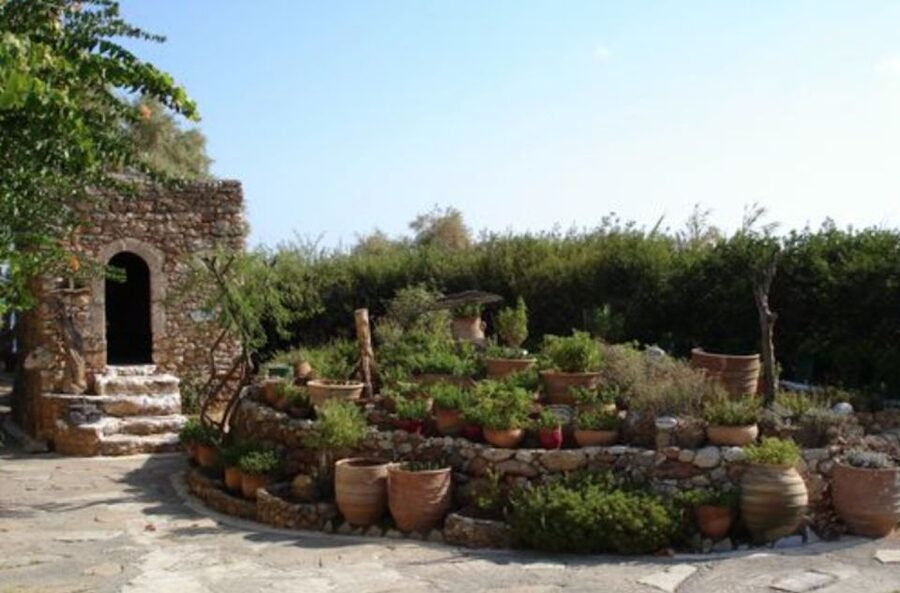
The museum also includes nature and environment elements such as a Cretan fruit garden and an herb garden, which helps connect culture to place. You start to see how land and work overlap in Crete, and how knowledge moves from one generation to the next.
One practical note: in a museum like this, your feet do the heavy lifting. To avoid fatigue, I like to pick one or two “craft clusters” to focus on deeply, then do a quicker pass through the rest.
Two performance spaces: when to plan for the auditorium and open-air theater
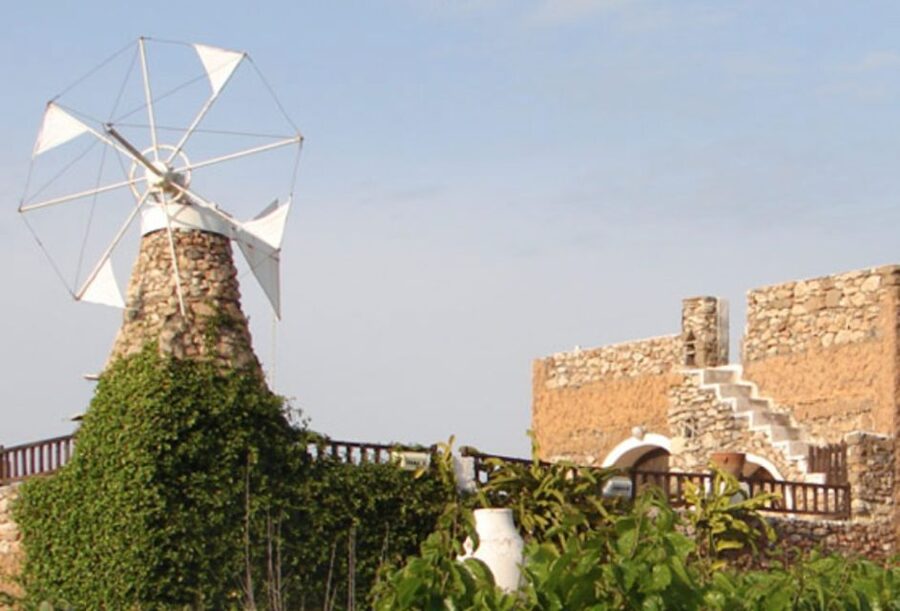
Lychnostatis Open Air Museum is not only static displays. It also has spaces for community-style programming.
There is an auditorium with 100 seats for audio-visual shows and seminars. This is useful if you want a break and a chance to get your story in order while sitting down.
There is also an open-air theater with 250 seats, designed for cultural and artistic events. Even if your timing does not match a show, it is worth noticing these spaces because they explain how the museum thinks of folk culture as something living, not only preserved.
The museum library, exhibitions, and the souvenir-and-café loop
A good museum day should have a rhythm: look, learn, rest, repeat. Lychnostatis gives you a built-in reset with indoor options and a place to refuel.
The café stop is part of the experience
You can grab a typical beverage or sweet at the museum café during your visit. This is not just about eating, it is about extending the theme into something you can taste, especially after time in the distillery and production areas.
If you tend to get hungry quickly, plan to schedule the café break after you finish the main craft zones. That way you do not end up taking stops too early and then rushing the later highlights.
Temporary exhibitions and a small shop for the take-home
You can also visit the temporary exhibitions hall, plus the souvenir shop. I treat the shop as a “last stop filter.” If you found something that made sense during the visit, you can bring a small reminder home. If not, you can keep your wallet closed and still feel satisfied.
Price and value: how $10 stacks up for a full one-day visit
At about $10 per person, this ticket is a strong value if you want more than a quick walk past objects. You get entry, the ability to explore freely, and optional add-ons that can add structure (film) or depth (private guided group tour).
Here’s the value math that matters:
- If you are happy wandering: you can get a full day’s worth of cultural spaces for a low price.
- If you want help understanding: the add-ons let you “buy context,” so you get more meaning from what you see.
- If you like pacing: the museum includes both outdoor spaces and indoor options, so you can manage energy without cutting the visit short.
The only cost to keep in mind is that food and drinks are not included, so budget a café break if tasting Cretan drinks or sweets matters to you. Transportation is also not included, so plan how you will get there by car or taxi.
Practical tips for comfort in an open-air museum
This is an open-air museum, so your comfort depends on the day you pick.
- Wear comfortable shoes you trust for walking outdoors. The visit is spread across many buildings and workshop areas.
- If you bring paper handouts or a printed map, keep them dry. In humid conditions, paper can get unpleasant fast, and having a simple cover helps.
- If Greek is not your language, consider adding the guided tour option. The museum does offer a live guide in Greek, so you will get more out of your day if you can connect the explanation to what you are seeing.
- Plan at least a chunk of time for the library and exhibitions. They work best after you have built the visual picture.
Who should book Lychnostatis, and who might want a different plan
This experience fits best if you want to understand Cretan culture through objects, spaces, and everyday work.
You will likely enjoy it if:
- You like museums that feel hands-on through buildings and interiors
- You enjoy craft and production stories, like weaving, distilling, or olive oil processing
- You want an indoor and outdoor mix in a single day
You might skip or reconsider if:
- You are only interested in modern art or very large-scale masterpieces
- You are extremely time-limited and want just a quick stop, since the museum is meant for a fuller explore
Should you book this museum ticket?
Yes, I think this is worth booking if you want a full one-day cultural stop in Crete that feels real, not staged. The biggest payoff is how the museum connects traditional life to specific spaces you can walk through, including the distillery interior and the craft workshops. At roughly $10, it also hits the sweet spot between affordable and substantial.
Book the standard entry if you like independent wandering and you can enjoy visuals without needing heavy interpretation. Add the audiovisual film if you want a guided narrative boost, or choose the private guided group tour if you want a live explanation in Greek so the place makes more sense faster.
FAQ
How long is the Lychnostatis Open Air Museum visit?
The experience is listed as lasting 1 day.
What is included with the entry ticket?
The entry ticket includes free time to explore the museum. If you select add-ons, the audiovisual film and the private guided group tour are included.
What add-ons are available for this museum ticket?
You can add an audiovisual film option or a private guided group tour option.
Is food or drinks included?
No. Food and drinks are not included.
Is transportation included?
No. Transportation is not included.
What language is the live tour guide?
The live tour guide is Greek.
Is the museum wheelchair accessible?
Yes, the experience is wheelchair accessible.
Where do I start the experience?
You start at the Lychnostatis Open Air Museum, at the museum itself.
Can I cancel for a refund?
Yes, free cancellation is available up to 24 hours in advance for a full refund.
Fresh options around Crete
- Island Spinalonga, Milatos Cave, Speedboat, OliveTasting★ 4.6 · 17 reviews
- Lasithi Plateau & Zeus Cave: Myths and Villages Tour★ 5.0 · 13 reviews
- Heraklion: Self-Driving 4X4 Jeep Off-Road Tour with Lunch★ 4.6 · 26 reviews
- Samariá Gorge Hike: Day Excursion from Chania★ 4.4 · 49 reviews
- Rethymno: Balos &Gramvousa Day Trip With/Without Boat Ticket★ 3.5 · 17 reviews
- Rethymno: Old Town Segway Tour★ 4.9 · 39 reviews
- From Rethymno: Lake Kournas and Villages Full-Day Tour★ 4.4 · 45 reviews
- Knossos Palace Guided Walking Tour (Without Tickets)★ 4.6 · 32 reviews
Museums, compared.
Knossos Palace and Museum E-Tickets with Audio Guides
Read our review →
Heraklion Archaeological Museum Ticket & Audio Guide
Read our review →
Knossos Palace and Museum E-Tickets with Audio Guides
Read our review →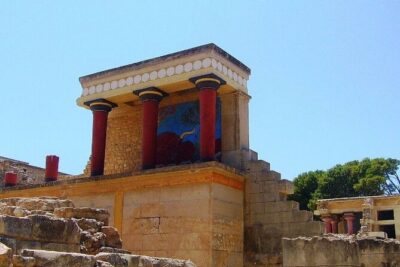
Knossos Palace, Museum & Rethymno city Private Tour from Chania
Read our review →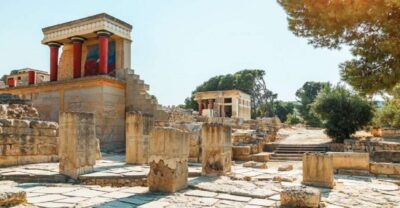
Knossos Palace, Museum & Heraklion City Tour From Chania
Read our review →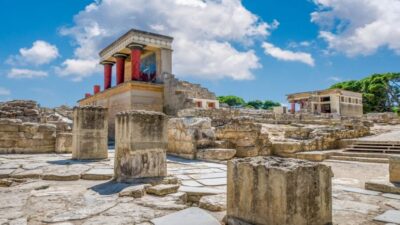
Knossos E-Ticket with Audio Guide & Optional Museum
Read our review →
Archaeological Museum of Heraklion: Guided Walking Tour
Read our review →Browse the lists this tour appears in