
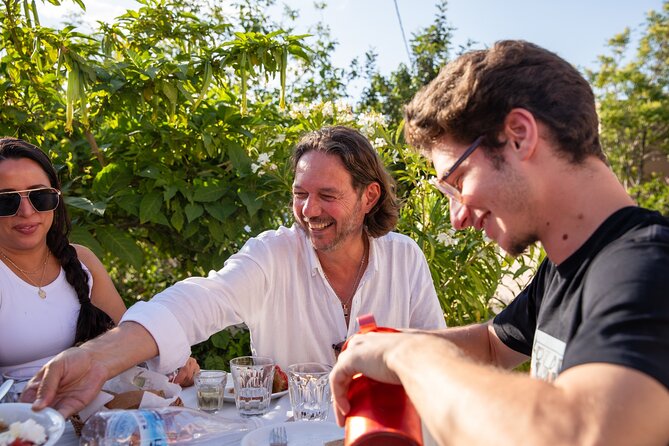
Reviewed · WINERY TOURS
Gastronomy Tour and Wine Tasting in Traditional Villages.
What makes this Crete gastronomy tour interesting is that it is not just tastings in one place. You move through traditional villages between Chania and Rethymno, with stops built around local habits, family-run kitchens, and small producers. I love the way they serve Greek coffee made in a hovoli, with the fire still hot, not a gimmick. I also love the dairy focus, especially the handmade sheep’s-milk ice cream and yogurt, which tastes like someone cared enough to do it slowly.
One possible drawback is the pace. This is a 6-hour schedule packed with food stops, so if you want a long, relaxed wander, you may feel rushed between tastings and drives.
Key moments that make the day worth it
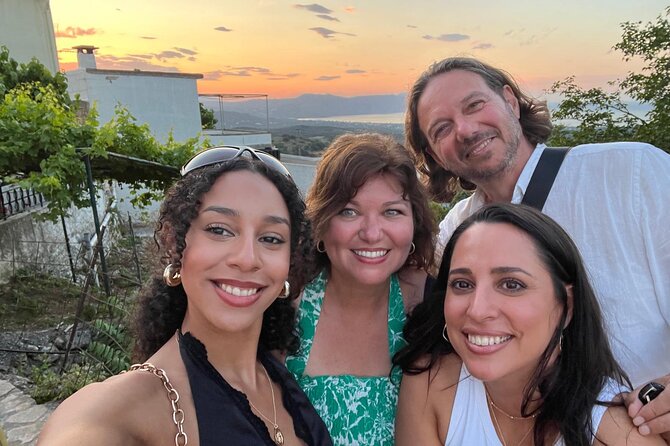
- Hovoli Greek coffee: coffee made over an ember-hot fire, with a very Cretan rhythm.
- Sheep milk ice cream and yogurt: creamy, tangy, and clearly made with attention to ingredients.
- Two meals in two different villages: one mountain taverna, one above lake Kournas with a view.
- Monastery visit: a real pause for sightseeing before the food parade continues.
- Cheese tasting at Vryses and a top cheese factory: smoked, sheep, and wine-influenced cheese styles.
- Olive oil tasting plus local wine: built-in tastes that connect the meals to what Cretans actually grow.
Price and logistics: what $212 buys you in a 6-hour day

At $212 per person for 6 hours, you are paying for a full, guided food circuit, not just samples at a shop. The tour includes hotel pickup and drop-off, air-conditioned transport, a live guide (English and Greek), and admission to the monastery. You also get multiple planned tastings: Greek coffee, oil tasting, local wine tasting, traditional sweets, plus two separate meals in two different villages.
This is also small group style, limited to 8 participants. That matters because cheese factories and tavernas can get crowded fast on Crete. With a smaller group, you spend more time actually talking, tasting, and learning what you are eating, and less time waiting in a line.
Finally, the “between Chania and Rethymno” route is the point. You are traveling through countryside villages you might not find on your own, and you get to see how food culture changes as you move from one valley to another.
More Walking & Food Tours in Chania
- Walking “Food tasting tour” in the town of Chania
★ 5.0 · 297 reviews - The Delicious Chania Street Food Tour
★ 5.0 · 138 reviews - PRIVATE Walking Tour with Lunch and Wine Tasting by a Sommelier
★ 5.0 · 113 reviews
Hovoli coffee in Armenoi: the warm-fire start to the day
Your day begins with a scenic drive to Armenoi, then a coffee tasting break. This is where the tour gets specific in a good way. The Greek coffee is made the traditional way in a hovoli, a fire that is not fully extinguished and stays hot.
That detail changes the experience. Instead of coffee tasting like a packaged ritual, it feels like something you watch happen in real time. The process also sets the tempo for the rest of the day. You start warm, you start curious, and you start listening, because your guide can explain what makes it different and how Cretans treat coffee as part of daily life.
Tip for you: take a slow sip, then ask your guide what to pay attention to in the taste. Coffee served this way often has a deeper, more “slow-made” flavor.
Old monastery stop: why a 30-minute pause matters

Next comes the monastery visit and sightseeing time, about 30 minutes. This is not “museum time.” It’s more like a reset. You get out of the vehicle, look around, and remember that Cretan food traditions have roots that run longer than the modern tourist map.
Even with a short stop, the value is real. Monasteries in Greece often sit at strategic, quiet spots, and the atmosphere gives context for the day you are having. Then you jump back into the villages and the tasting stops with a clearer sense of place.
What to expect practically: you will have a set window for visiting and looking around, so plan to take photos quickly and comfortably. Wear something easy to move in, because you will likely walk a bit.
Vryses cheese tasting plus a guided look behind the flavors
After that, you head toward Vryses, where there is a guided tour and a cheese tasting session, about 30 minutes. Cheese is a big deal in western Crete, and this stop is your first concentrated taste of that world.
Even if you think you already know cheese, this is the place to stretch your palate a bit. Expect multiple styles and lots of conversation about what makes them different. The tour later gets even more specific with cheese varieties like smoked flavors, sheep cheese, and even wined cheese, but Vryses is where you start building your “taste map.”
Also, this is one of those stops that works for different kinds of eaters. If you love cheese, you will be delighted. If you do not, you can still enjoy the process, because the tour frames cheese as part of daily farm life, not just a product.
More Winery Tours in Chania
- Chania: Milia Mountain Tour w/Lunch Olive Oil/Wine Tastings
★ 4.9 · 97 reviews - Chania Area: Food Tasting Tour with Winery Visit & Swim Stop
★ 4.5 · 58 reviews - Manousakis Winery Shuttle Service Tour and Taste
★ 4.5 · 34 reviews - Gastronomy tour and wine tasting in traditional villages
★ 5.0 · 32 reviews
Olive oil tasting and local wine: connecting the table to the island
The tour includes an oil tasting and a local wine tasting, plus local alcohol drinks and beers. The oil tasting is important because olive oil is not a side character in Cretan cooking. It is often the backbone.
When oil is tasted properly, you notice texture and aroma, not just “it tastes good.” You may also pick up how different oils can match different kinds of foods, including the herbs and sweets you will see later. And then wine tasting ties it all together. Crete drinks alongside meals, and this stop helps you understand why wine fits the menu instead of feeling like an optional extra.
If you are the type who likes to remember what you tasted, do it the simple way. After each sip or bite, pause for ten seconds and describe it in your head. Sweet, smoky, nutty, tangy. It helps you make sense of everything at the end.
Lake Kournas village food tasting: the view makes the meal stick
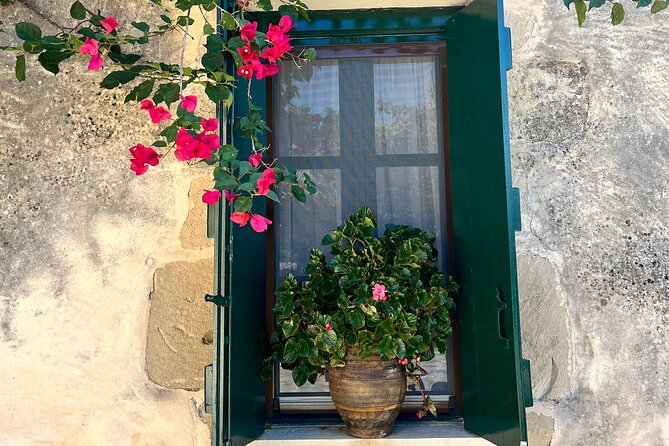
One of your two big food blocks happens around Kournas. You get a longer food tasting session of about 75 minutes here, and one of the two meals is at a taverna above lake Kournas with a fantastic view.
This is the stop that tends to make photos look believable. More importantly, the view changes how the meal feels. Eating with lake air in the background makes the food taste more “real” and less like a sample plate.
What you can expect during this portion: local cheese and honey flavors, olive oil tastes, and a mix that can include smoked meat, fruits, Greek sweets, and herbs. There is also mention of vegetarian options, which is key because family tavernas often focus on what is available locally that day.
Practical tip: keep some room in your stomach. This is not the time to go all-in on bread or chips at the first stop. Save your appetite for the foods that change your mind about Crete.
Mountain taverna meal: family-run plates and honest portions
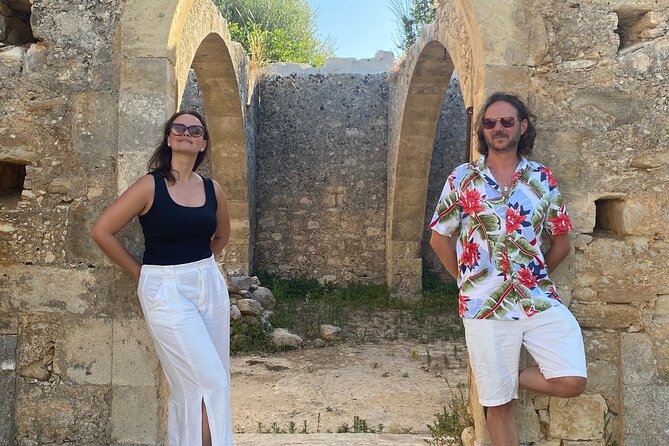
The other meal is in a traditional village, described as a first taverna at a mountain, family owned. You also get about 75 minutes for the food tasting portion tied to that village stop.
This is where you feel the tour’s “family-run” angle. The tavernas use products from the village or their own, and the goal is not just to feed you, but to let you meet the people behind the food. That is why the experience can feel warmer than a typical tasting. It is conversation with owners who treat hospitality as daily work, not a performance.
And yes, you eat well here. The tour is built to be plentiful, and the pacing gives you multiple chances to sample different foods rather than one rushed plate. From what you can expect on the menu, think of it as a tour through tastes rather than just a parade of small bites. You are likely to see local cheese, honey, olive oil, smoked meat, seasonal fruits, sweets, and herb-forward flavors.
If you are vegetarian, ask early about what you can swap or choose. The tour states vegetarian options are available, and a good guide will help you navigate what is on offer.
Cheese factory finale: dessert, sheep milk dairy, and last bites to remember
Later in the day, you visit a cheese factory for a shorter finale window, about 15 minutes, with dessert, cheese tasting, and local snacks. This is where the “sheep milk” highlight comes fully into focus, including the handmade ice cream and yogurt from sheep’s milk.
This is also where the cheese variety often gets most memorable. The tour includes tastes like smoked flavor cheese, sheep cheese, and wined cheese, plus other styles. The point is contrast: smoky versus creamy, tangy versus mellow, and cheeses that have been adjusted or matured with local touches.
If you like desserts, do not skip this part. The ice cream is described as handmade, and it is usually the kind of treat you understand immediately. It is not just sweet. It has dairy depth, and you can taste the difference between “made somewhere” and “made by someone.”
Finish strong with local sweets too. You will likely see traditional sweets alongside the snack tasting. Have a couple bites, then stop before you feel stuffed. You want to be able to enjoy the last round, not just endure it.
Group size, guide style, and how to keep the day fun
With a small group limited to 8, you are not stuck in a crowd. You get more time for questions, and the guide can adjust the vibe as the day goes on.
One name you may hear for the guide is Yannis. In at least one recent experience, he was praised for being informative and for adding historical context, not just facts about food. That matters because when history and daily life connect, you taste with more understanding. You start thinking, not only chewing.
Also, this kind of tour is best if you go in with the right mindset. Come hungry, but do not rush. Take short breaks between tastings, drink water, and keep your pace. The tour is structured, so you will be eating often, but you still get to control how quickly you stack everything into your stomach.
Finally, bring a light plan for what you will do after. A 6-hour tour can leave you happily tired. If you have a full dinner right after, you might want to keep it simple.
Who should book this Crete gastronomy tour, and who should skip it
Book it if you want authentic Cretan food in real village settings, not just a tasting room. This tour fits people who love cheese, olive oil, and dairy, and who enjoy meeting the families behind the food. It also fits you if you want a structured half-day that handles transport, guides, tastings, and meals in one go.
Skip or choose something else if you have a very strict timing need, because 6 hours is busy. Also, if you strongly dislike dairy or cheese, this tour will still include those products as core highlights, so it might not match your personal tastes.
Should you book HappyTravellersTours and Transfers for $212?
If your idea of a great day in Crete involves eating your way across villages, this is a solid bet. The value comes from the combination: multiple tastings, two meals in different settings (including above lake Kournas), monastery sightseeing, oil and wine tastings, and that very specific hovoli coffee start. Plus, small group size gives it a more personal feel.
My take: this is not a “just samples” tour. It is a food day with context, good stops, and enough variety to keep you interested from the first coffee to the final ice cream.
FAQ
How long is the tour in total?
The tour duration is 6 hours.
What is the group size?
It is a small group limited to 8 participants.
What languages is the tour guide available in?
The live tour guide speaks English and Greek.
Are meals included, and how many are there?
Yes. You get two meals in two different villages.
Does the tour include Greek coffee?
Yes. Greek coffee made in the traditional way is included.
Do we visit a monastery, and is the entrance fee included?
Yes. The tour includes a monastery visit, and the entrance fee is included.
Is vegetarian food available?
Vegetarian options are available.
More Food & Drink in Chania
- Sunset Craft Beer & Food Tour – Chania Old Port
★ 5.0 · 86 reviews - Chania: Wine, Food, and Sunset Tour with 3-Course Dinner
★ 4.9 · 77 reviews - Chania Walking Food Tours Crete with a local!
★ 4.5 · 61 reviews - Private tasting of 6 cretan wines in Fres village
★ 5.0 · 32 reviews
More Cretan Wineries in Chania
- Full-Day Private Chania Wine Tour and Lunch In The Mystic Cellar.
★ 5.0 · 7 reviews - Private: Jeep Safari in 2 Wineries and Samaria Gorge with Lunch
★ 5.0 · 4 reviews - Private Exclusive Manousakis Winery and Vineyard Tour
★ 4.7 · 4 reviews - Crete: Full-Day Cretan Wines, Olive Oil, Raki and Food Tour
★ 5.0 · 264 reviews
Fresh options around Chania
- Preveli Beach and Plakias Full-Day Trip From Rethymno★ 4.0 · 59 reviews
- Private professional Vacation photoshoot in Chania★ 5.0 · 4 reviews
- Private – Jeep Safari Tour with Lunch and Tastings★ 5.0 · 35 reviews
- Rethymnon Olive Tree Sponsorship Protect and Plant Tour★ 5.0 · 5 reviews
- Paragliding Tours in Crete★ 5.0 · 33 reviews
- Limnoupolis Water Park All in★ 3.5 · 28 reviews
- Limnoupolis Water Admission Ticket★ 4.5 · 9 reviews
- Private Tour Knossos Palace-Archaeological Museum-Heraklion Town★ 4.5 · 11 reviews
Winery Tours, compared.
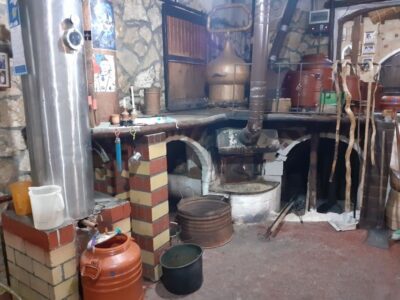
Full-Day Cretan Wines, Olive Oil, Raki and Food Tour
Read our review →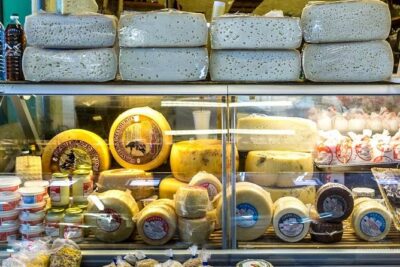
PRIVATE Walking Tour with Lunch and Wine Tasting by a Sommelier
Read our review →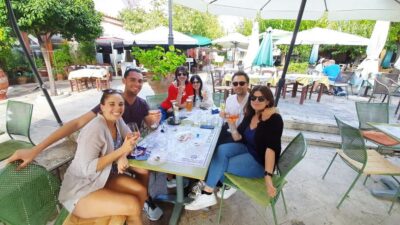
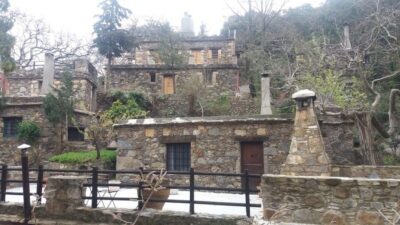
Milia Mountain Tour w/Lunch Olive Oil/Wine Tastings
Read our review →
Chania Area: Food Tasting Tour with Winery Visit & Swim Stop
Read our review →
Olive, Wine, & Raki on a Flavorful Culinary Journey
Read our review →
Private Winery & Olive Oil Tasting Tour with Lunch
Read our review →
Knossos Palace, Winery & Olive Oil Tour with Lunch
Read our review →Browse the lists this tour appears in