
Reviewed · WALKING & FOOD TOURS
From Chania: The Ultimate Food Tour Of Chania Villages
Food tours in Greece can be hit or miss, but this one has a clear theme and a full day’s worth of learning in just 6 hours. You start at the source, an olive mill, then move to raki production, and the rest of the route keeps that same logic: see how it’s made, then taste it.
I also like that you spend time in village producers instead of just snack stops, and the guide experience can be excellent, with English-speaking hosts like Maria, Andres, and Yannis showing how to turn tastings into real context. One thing to consider is that the day can include strong accents at smaller family businesses, so you might want to be ready for occasional communication gaps even with an English-speaking guide.
Why this East Chania tasting day feels different
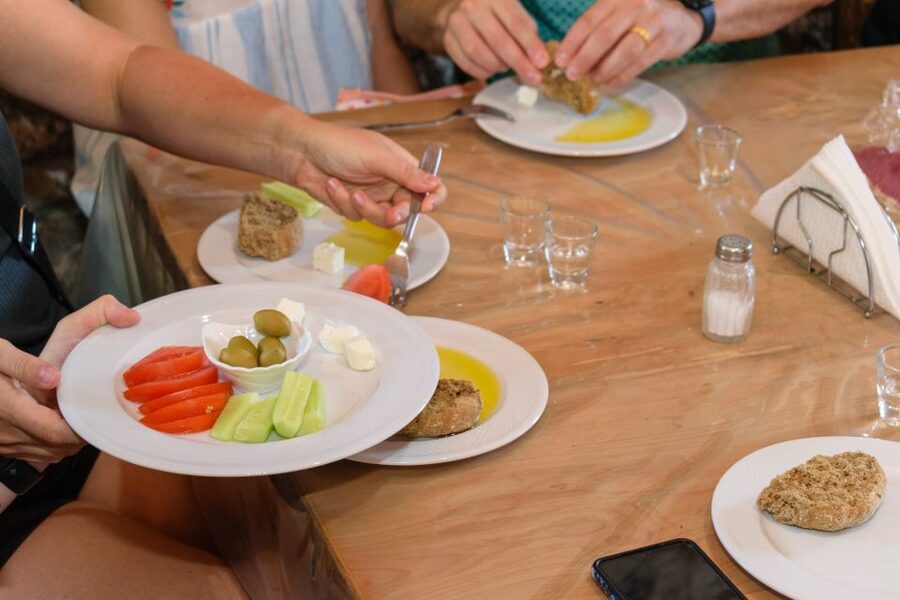
- Production first, tasting second: You watch the process at a mill and a distillery before food shows up on your plate.
- Cretan staples, not tourist-only bites: olive oil, raki (tsikoudia), cheese varieties, honey, bread, and local sweets.
- Village pace, with real stops: bakery, cheese factory, and a coffee shop where people also eat.
- A route through Apokoronas province: you get out to the mainland and into lesser-visited areas around Chania.
- Small business access: the tour focuses on family producers and the people behind the products.
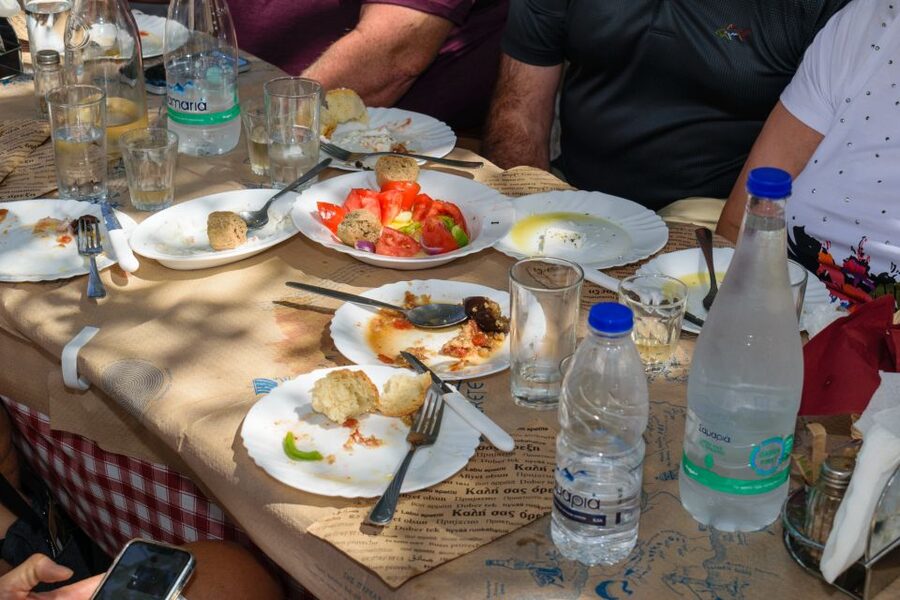
- Lunch included, not optional: a traditional Cretan meal at the end keeps the experience from feeling like samples only.
Olive mill start: turning olive oil from a bottle into a story
The tour begins at a working olive mill, and that matters more than you might think. Olive oil in Crete is not one flavor, it’s a range shaped by harvest choices, oil-making steps, and how the final product is handled. Here, you get the advantage of seeing the process first, including the idea that it goes from harvesting to tasting.
This is a great start because it sets expectations for everything else. When you later try cheese and honey, you’re not just eating, you’re connecting tastes to agricultural reality. And because you’re in the context of production, questions make more sense. You’ll likely hear terms tied to extra virgin quality and why it’s treated differently, not as a commodity but as something worth protecting.
Practical note: mills can be a little busy and a bit warmer than outside. Bring a light layer and wear shoes you can walk in comfortably. You’ll get the most out of this first stop if you slow down and actually taste with attention, not just “sample-and-go.”
More Walking & Food Tours in Chania
- Walking “Food tasting tour” in the town of Chania
★ 5.0 · 297 reviews - The Delicious Chania Street Food Tour
★ 5.0 · 138 reviews - PRIVATE Walking Tour with Lunch and Wine Tasting by a Sommelier
★ 5.0 · 113 reviews
Raki and tsikoudia at a traditional distillery and a modern setup
After olive oil, the route moves to the world of Cretan spirit, known as raki or tsikoudia. The tour includes two angles: a look at a traditional distillery and also a more contemporary professional setup. That blend is useful because it shows how tradition and process evolve, instead of treating raki like a fixed recipe from the past.
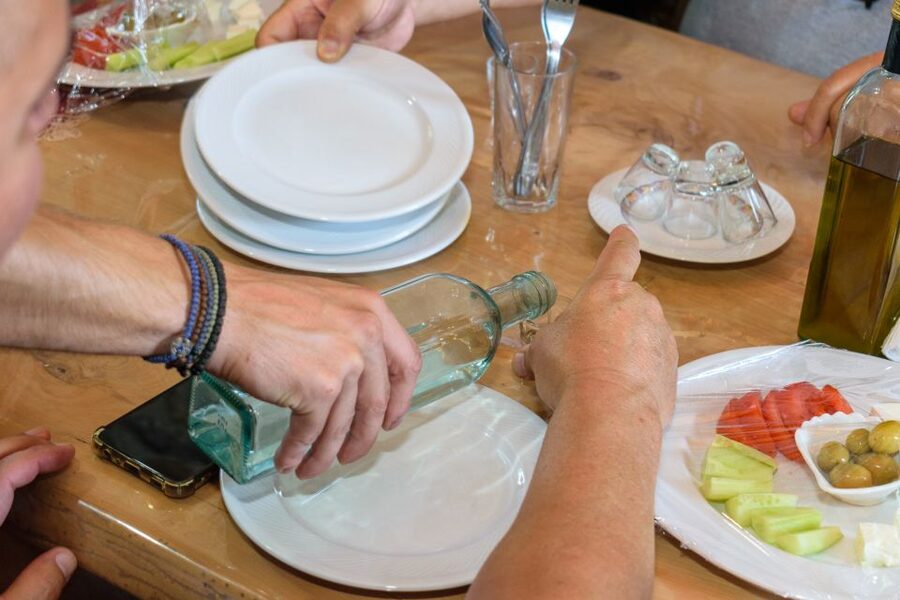
You’ll learn how the production works and then end with a tasting session. Even if you’re not a “spirits person,” this part is still educational. It helps you understand why Crete has a drink culture tied to local harvests and household traditions, and why hospitality often includes a pour alongside conversation.
If you’re the type who worries about alcohol on a half day, you’ll be glad the tour is structured around food and village stops. Still, pace yourself during the tasting so you can enjoy later bites, especially the cheeses and the honey pairings.
The villages route: Apokoronas countryside and time to reset your palate
Once you leave the production sites, the tour shifts into the village driving rhythm. You pass through the villages of Apokoronas province and head toward the foothills area near the White Mountains. This stretch is valuable for two reasons.
First, it breaks up the heavy tastes. Olive oil and spirits can dominate your senses if you go stop to stop without breathing room. Second, it gives you a sense of daily life. You’re not only looking at food, you’re seeing how people live among farms, small shops, and community squares.
A note on timing: you’re in a minibus or minivan with air-conditioning, and hotel pickup and drop-off are included within the Chania region. That reduces stress, because you’re not stuck managing transfers while trying to stay on schedule.
Embrosneros bakery stop: bread and sweets that start the tasting rhythm
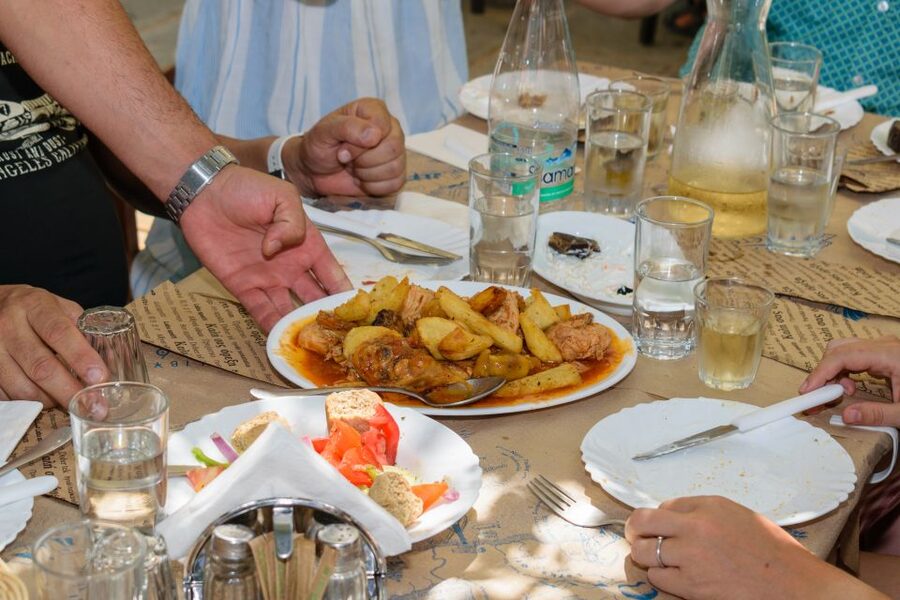
One of the first food stops is in the village of Embrosneros, where you’ll visit a bakery and taste local bread, cookies, and biscuits. This is a smart transition point. After learning about how liquids are produced, you get dry goods that show how everyday ingredients turn into something comforting.
What I like here is the simple focus. Instead of a long list of snack items that never explains itself, you taste what locals actually bake and you get a sense of textures, sweetness levels, and how bread fits into meals and daily routines.
That said, there can be variations in how much of a given item is offered per person. One experience you might want to keep in mind is that sometimes tasting amounts can be small in this kind of stop. If you’re hoping for a wide range of baked bites, you’ll still get the bread and cookies, but it’s worth adjusting expectations that this is more about sampling than leaving the bakery with a bag full of extras.
Practical tip: If the day is warm, bread and biscuits can soften quickly. Try bites soon after serving, and keep water nearby. Bottled water is included per person, which helps.
Same stretch of Crete, a different kind of day:
- From Kissamos Port: Boat Cruise to Balos Lagoon & Gramvousa
★ 4.2 · 6,755 reviews - From Chania: Full-Day Samaria Gorge Trek Excursion & Guide
★ 4.6 · 3,191 reviews - Cretan Safari – 4×4 Adventure to Preveli Beach with Lunch
★ 5.0 · 780 reviews - Elafonissi Beach Day Trip from Chania -Stop in Elos Village
★ 4.5 · 744 reviews
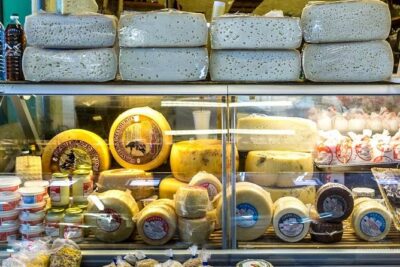
Cheese factory in Embrosneros: Graviera, Anthotiros, and Mizithra with honey and rusk
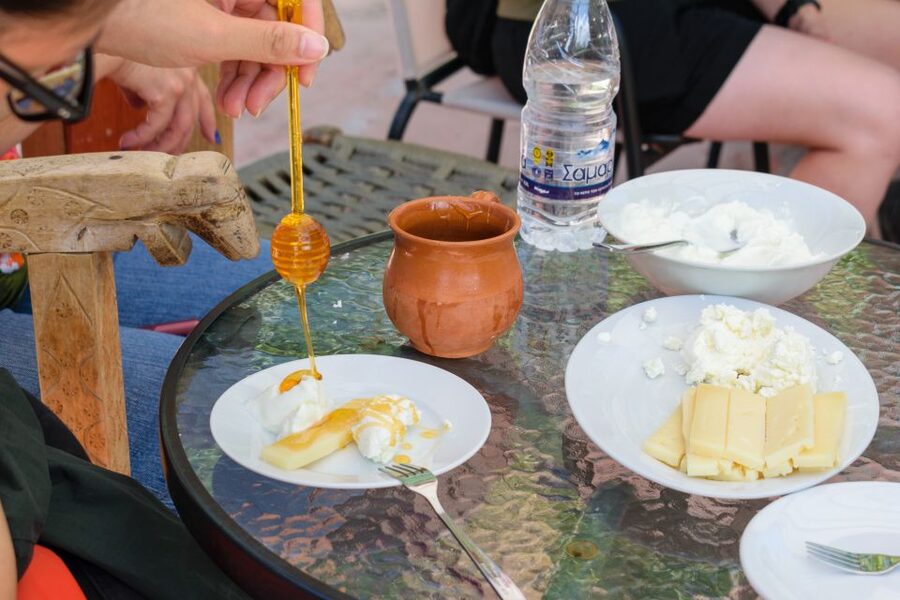
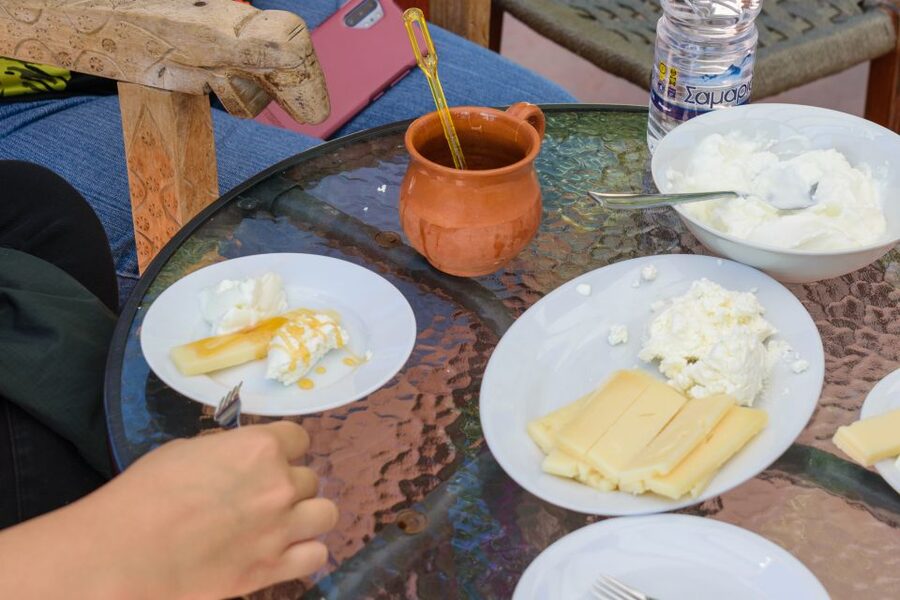
Next comes a cheese factory stop, and this is a centerpiece of the whole day. You’ll learn about and taste classic Cretan cheeses, including Graviera, Anthotiros, and Mizithra. The tour is set up to explain production basics in front of you, so the tasting feels connected instead of random.
Why this works so well is pairing. You don’t taste cheese alone. You’ll combine cheeses with local honey and rusk, the dry bread that works like a crunchy, neutral base. That combination is practical for your palate. Honey adds sweetness and aroma, while rusk gives texture and helps you reset between flavors.
Here’s what you can look for when you taste:
- Graviera often reads as more robust, with a firmer character that stands up to honey.
- Anthotiros is typically part of the everyday cheese world, and you’ll get the fun of tasting something that feels closer to routine cooking.
- Mizithra tends to be more delicate in the way it hits the tongue, making the honey pairing especially noticeable.
I’ll also say this: cheese tastings are where a good guide makes a big difference. If your host is energetic, you’ll leave with a better sense of what to buy later in Crete, because you’ll understand why each cheese is shaped the way it is.
If language at some family-run spots is difficult, don’t worry too much. You can still taste and learn the structure of what you’re doing, since the tour is designed around clear production stages.
Fres coffee shop finish: lunch in a village square, not a tourist room
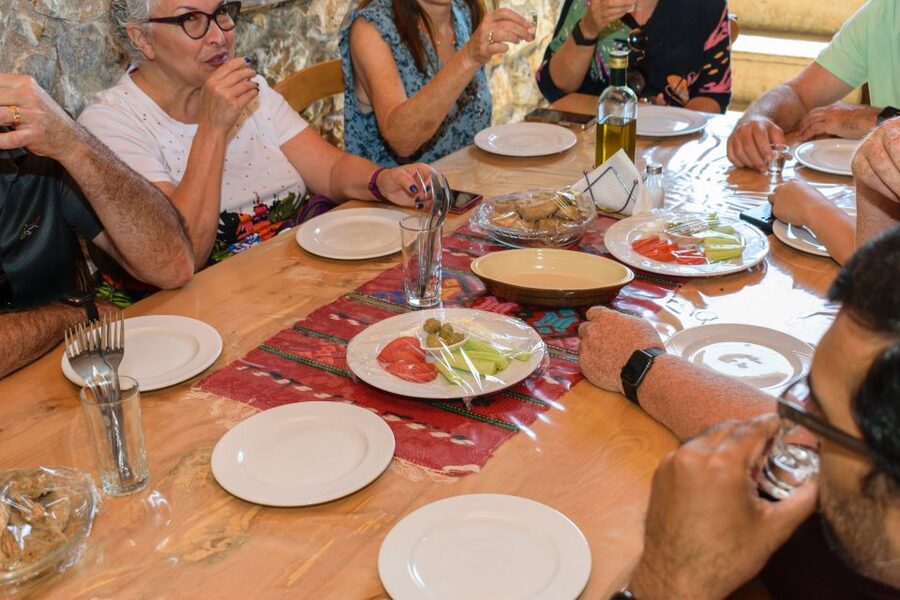
The final stop is in a local coffee shop, a kafeneio, in the village of Fres. This is not just a scenic endpoint. It’s where locals also eat, and it gives the day a more authentic, lived-in feeling than many food tours that end at a plated restaurant.
You’ll enjoy traditional Cretan recipes and the customary lunch here, served after the cheese and bread tastings. The best part of this structure is that lunch isn’t competing with the earlier learning. It feels like a reward that ties the ingredients together.
A practical mindset helps at this stage: expect an end-of-day meal that’s hearty and designed for real appetite, not a “light sampler.” Since the tour includes transportation and bottled water, you can enjoy the lunch without worrying about the next step.
Also, you’ll have time to sit, digest, and talk with your guide. That is when the day’s details usually click into place, especially the way Cretans use ingredients across meals rather than treating them like isolated products.
English guidance and the human touch: Maria, Andres, and Yannis set the tone
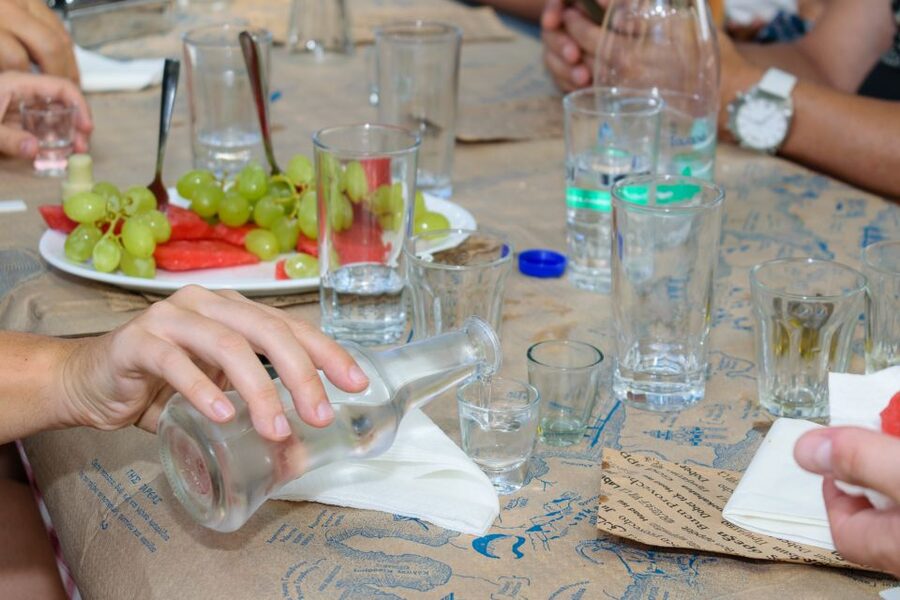
The tour includes an English-speaking local driver or escort, and the guide can make a huge difference in how much you take home. I like tours where guides don’t just translate, they connect the food to everyday life.
In this case, you may meet guides like Maria, Andres, or Yannis, and each of them has the style you want for a day like this: attentive, friendly, and able to explain what you’re tasting in a way that feels relevant, not like a lecture.
There can still be a mismatch at smaller producers if their English is heavily accented. It doesn’t stop the day, but it does mean you should stay flexible and lean on your guide’s explanations when you need clarity.
Price and value: is $135 per person worth it?
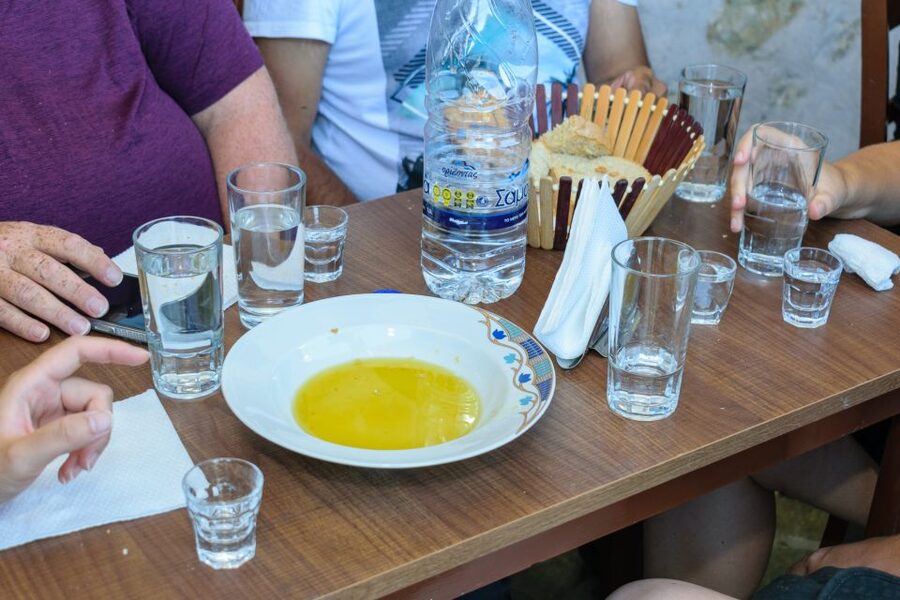
At $135 per person for 6 hours, this tour isn’t the cheapest option in Crete. But it is priced like a focused, ingredient-driven experience with multiple tastings and production visits.
Here’s what you’re actually paying for:
- Hotel pickup and drop-off within Chania region
- Air-conditioned transport for the route across villages
- Visits to a working olive mill and a distillery
- Bakery and cheese factory stops
- Honey and rusk pairings, plus a traditional lunch
- All tours and tastings, plus bottled water and taxes
Compared to a standard walking tour with small snacks, the value becomes clearer. You’re paying for access to production spaces and guided tastings that many people would never arrange on their own. If you’re the kind of traveler who wants to buy food gifts or actually cook with what you learn, this structure can pay off. You’ll leave with better judgment, not just souvenirs.
The best “value fit” is for you if you like food education and you want multiple Cretan staples in one day without having to plan the route.
Who this tour suits best (and who should skip it)
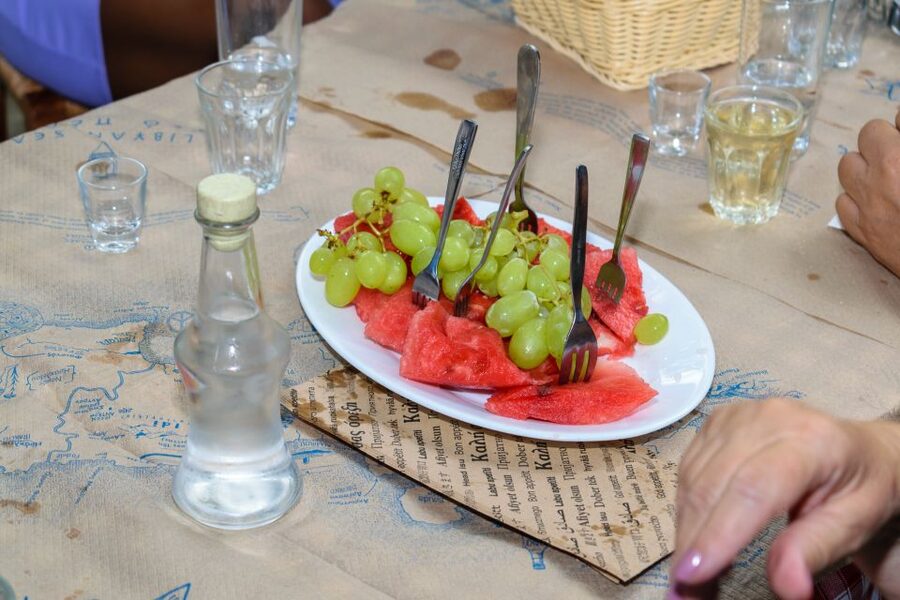
This tour is a great fit for you if:
- You want olive oil, raki, and cheese in one tight schedule
- You enjoy production-based food stops, not just restaurant eating
- You like village life and side roads around Chania
- You want a guided day with pickup, transport, and lunch handled
It may be less ideal if:
- You want lots of variety in baked goods at the bakery stop, because some tastings can be limited
- You’re extremely sensitive to language barriers at family-run spots
- You already did very similar “around Chania villages” tours recently, since the geography can overlap
Practical tips so you enjoy every tasting
These small tweaks help you get more out of the day:
- Eat lightly before pickup. You’ll have multiple tastings and then a full lunch at the end.
- Wear comfortable shoes. You’ll be walking around production spaces and village areas.
- Stay hydrated. Bottled water is included, use it.
- Go in curious. Ask simple questions like how they treat quality, or what pairs best with each cheese.
- Pace the raki tasting. You’re tasting, not ordering a second round.
If you’re planning what to buy after, take a minute during the cheese stop to note what you liked most. The tour’s structure makes that decision easier, because you tasted each cheese in context.
Should you book this East Chania food tour?
Book it if you want an efficient, village-based day that links production to tasting. The strongest parts are the olive mill start, the raki distillery visits, and the cheese tasting with honey and rusk, all capped by lunch in Fres at a kafeneio. That combination turns “food fun” into something you remember and can act on later, like when you’re shopping for olive oil or planning what to pack home.
Skip it or look for another option if you prefer a long, leisurely eating schedule with lots of roaming time, or if you know you’re not comfortable with occasional communication gaps at small family businesses.
If you like your Crete days hands-on, this 6-hour route is a smart, high-value way to taste the real island habits of East Chania.
More Food & Drink in Chania
- Sunset Craft Beer & Food Tour – Chania Old Port
★ 5.0 · 86 reviews - Chania: Wine, Food, and Sunset Tour with 3-Course Dinner
★ 4.9 · 77 reviews - Chania Walking Food Tours Crete with a local!
★ 4.5 · 61 reviews - Chania Area: Food Tasting Tour with Winery Visit & Swim Stop
★ 4.5 · 58 reviews
Fresh options around Chania
- Preveli Beach and Plakias Full-Day Trip From Rethymno★ 4.0 · 59 reviews
- Private professional Vacation photoshoot in Chania★ 5.0 · 4 reviews
- Private – Jeep Safari Tour with Lunch and Tastings★ 5.0 · 35 reviews
- Rethymnon Olive Tree Sponsorship Protect and Plant Tour★ 5.0 · 5 reviews
- Paragliding Tours in Crete★ 5.0 · 33 reviews
- Limnoupolis Water Park All in★ 3.5 · 28 reviews
- Limnoupolis Water Admission Ticket★ 4.5 · 9 reviews
- Private Tour Knossos Palace-Archaeological Museum-Heraklion Town★ 4.5 · 11 reviews
Walking & Food Tours, compared.
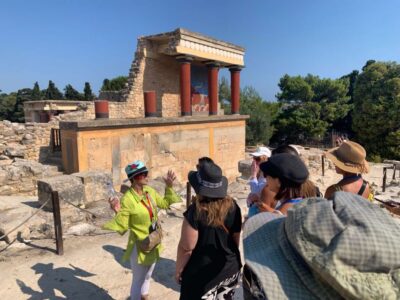
Knossos Palace Skip-the-Line Guided Walking Tour
Read our review →
Old Town Highlights Guided Tour with Street Food
Read our review →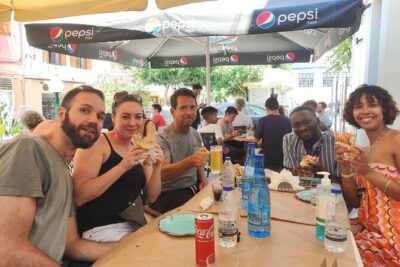
Walking “Food tasting tour” in the town of Chania
Read our review →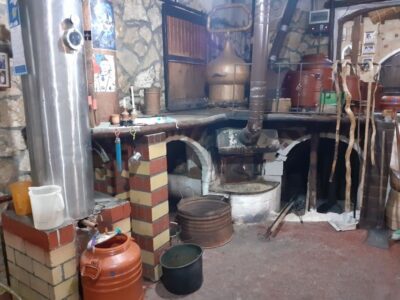
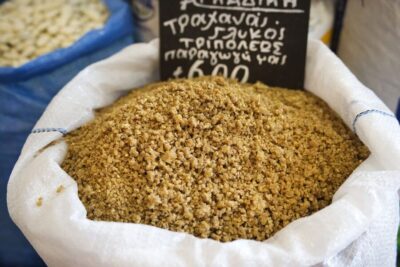
Full-Day Cretan Wines, Olive Oil, Raki and Food Tour
Read our review →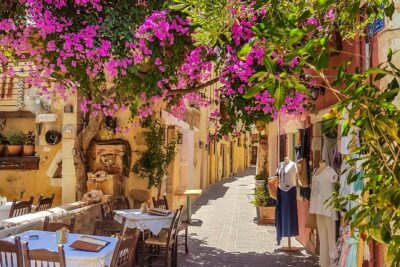
PRIVATE Walking Tour with Lunch and Wine Tasting by a Sommelier
Read our review →
Rethymno Old Town: A Traditional Cretan Food Tour
Read our review →Browse the lists this tour appears in