
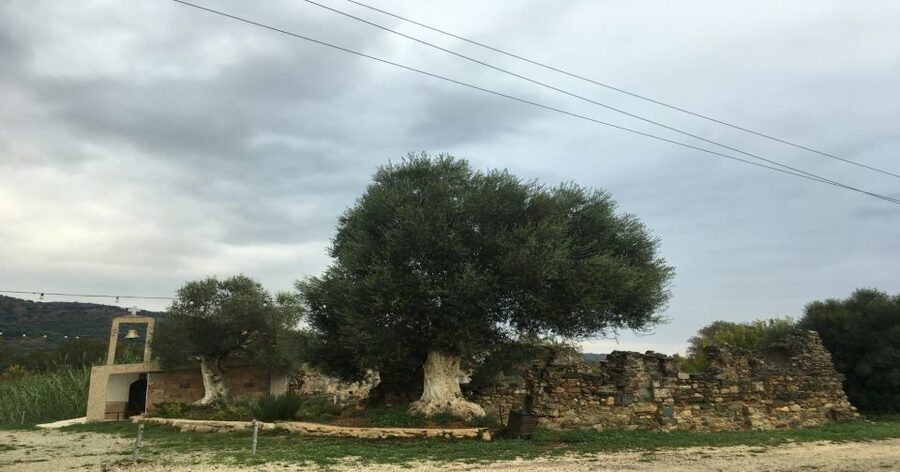
Reviewed · PRIVATE
Chania Monasteries Private Tour: A Greek Orthodoxy Tribute
Chania’s monastery day is interesting because you are not just doing a quick religious sites hit. You are traveling through Orthodox Christian tradition in places you might not find on your own, including a rare underground church and quiet chapels above the Aegean.
I love how the tour is led by Apostolis, a Cretan guide with a background in Byzantine archaeology, and how he connects the religious ideas to what you actually see on stone, icons, and altars. I also like the private pace, with time built in so you can ask questions and linger when a stop clicks for you.
One consideration: monasteries and chapels have a dress code, and some sites can be uneven or require careful walking. Also, entrance fees are not included, so you will want a little cash or card buffer.
Key things to know before you go
- A guide like Apostolis with a history and Byzantine archaeology background, not a run-of-the-mill driver tour
- Underground church visit dedicated to St. Spyridon, a stop that feels both rare and memorable
- Monasteries in desolate areas with serious views, plus active monastic life you can witness
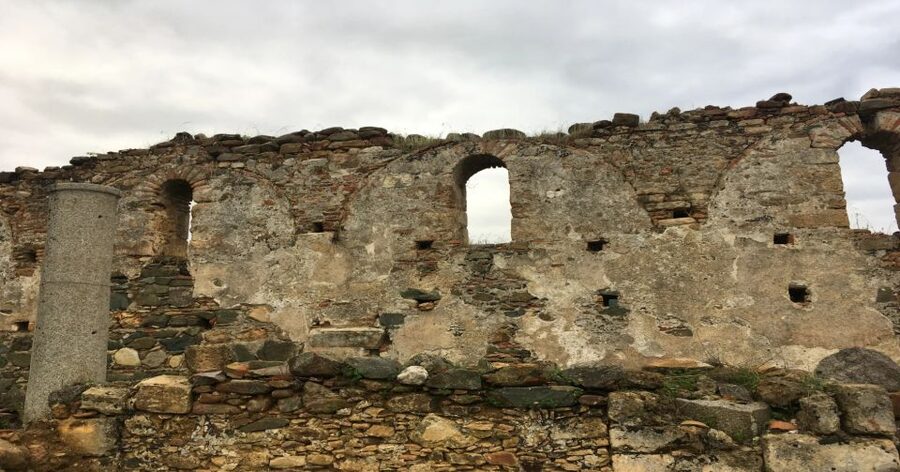
- Byzantine-era ruins and Proto-Byzantine church complex stops that connect doctrine to real architecture
- Akrotiri monastery region where hermits once lived, including churches linked to Mount Athos tradition
- A practical field day with a box lunch and a coffee break built in, so you are not scrambling all afternoon
Why Chania’s monasteries tour feels personal, not generic
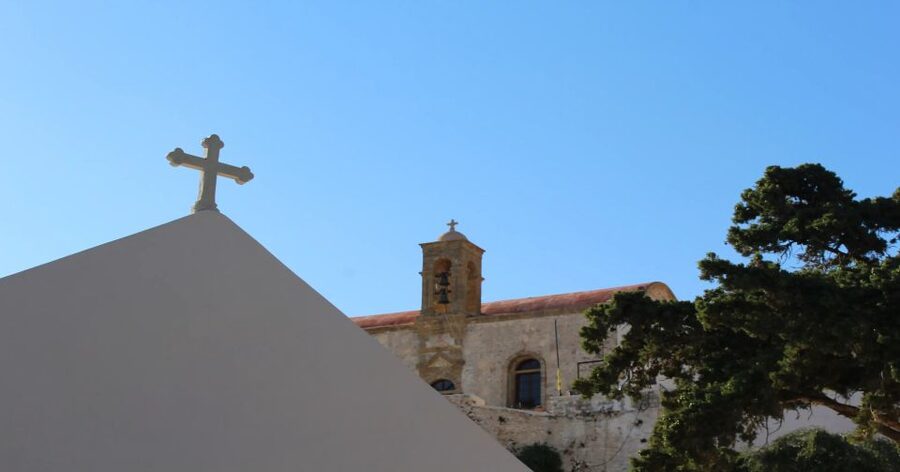
This tour works because it treats Christianity like something lived, not just something historic. You move between ruined church remains, working monasteries, chapels with dedicated devotions, and even an underground space that is meant for worship. That mix keeps the day from feeling repetitive.
I like that the tour uses the landscape around Chania and Akrotiri as a story tool. You are not only staring at buildings, you are learning why certain places were chosen, how communities survived, and how faith tied into daily work, especially farming life in the countryside.
The best part for me is the “local eyes” approach. With a private historian guide, you get real explanations and detours that match what you care about, whether that means monasteries by the water or questions about ritual and doctrine.
A few more Chania days worth comparing
- From Kissamos Port: Boat Cruise to Balos Lagoon & Gramvousa
★ 4.2 · 6,755 reviews - From Chania: Full-Day Samaria Gorge Trek Excursion & Guide
★ 4.6 · 3,191 reviews - Cretan Safari – 4×4 Adventure to Preveli Beach with Lunch
★ 5.0 · 780 reviews
Meet Apostolis, the guide who ties liturgy to what you see
Your guide, Apostolis, is the kind of person who makes a long day feel easy. He comes across as patient and kind, and he’s the sort of guide who does not rush you through each stop. In a private tour, that matters. You get time to ask what you actually want to know, not just what fits a checklist.
He also brings real structure to the day. You start with Byzantine-era ruins and learn how Orthodox doctrine connects to the way divine liturgy was carried out. Later, he talks about altars, rituals, and celebrations you can spot on-site.
And he is conversational, with a sense of humor that makes long drives feel less like driving and more like moving through the region with someone who genuinely enjoys explaining it. For many people, that is what turns a tour into a memory.
The 7.5-hour plan, stop by stop, and what each part is really for
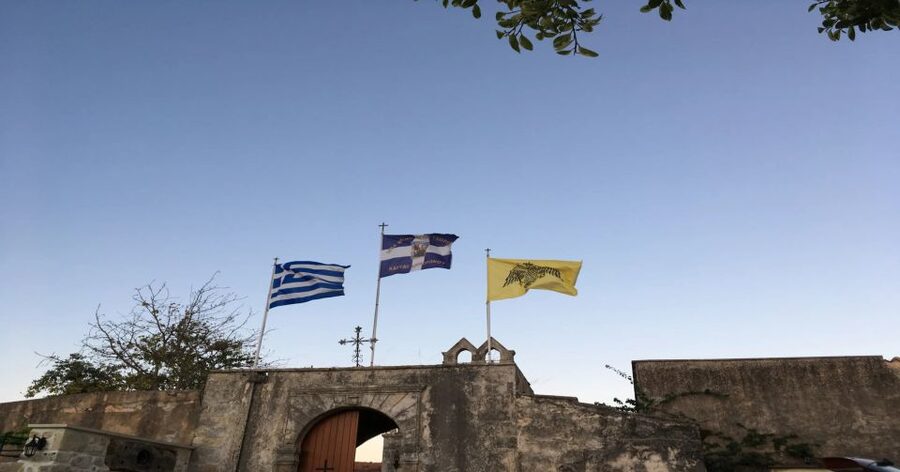
This is a long half-day by van, with a rhythm of photo stops, short drives, and guided visits. The total time is 7.5 hours, so you should expect a full day that leans more “on the road and inside sacred spaces” than “sit and relax.”
You start with hotel pickup in central Chania areas, then you head out by modern A/C vehicle. The early part of the day is about context: you learn what you are seeing and why it mattered to Orthodox communities.
1) Chania area photo stops and an orientation visit
The first hour or so includes photo stops and guided touring around the Chania Regional Unit. This is useful even if you already know the city. It helps you understand where you are headed and why the countryside churches were placed where they were, especially as you move east.
Practical tip: wear comfortable shoes early. Even a “quick” visit can involve standing, walking to viewpoints, and climbing a bit within church grounds.
Same stretch of Crete, a different kind of day:
- Elafonissi Beach Day Trip from Chania -Stop in Elos Village
★ 4.5 · 744 reviews - From Chania: Samaria Gorge with Professional Hiking Guide
★ 4.6 · 720 reviews - Chania/Almyrida: Balos Gramvousa Day Trip with Boat Ticket
★ 4.4 · 590 reviews - Stand -Up Paddleboard and Multi-Surprise Elements Tour in Crete
★ 5.0 · 554 reviews
2) Byzantine ruins of an unknown church complex
One of the most intriguing starts is the visit to the ruins of an unknown church complex from the Byzantine era. This is where the tour becomes more than religious tourism. You learn ancient Orthodox doctrines and how divine liturgy was carried out.
For me, this kind of stop is gold because you are not stuck with modern explanations only. You can look at the remains, then hear how worship functioned in earlier times. It turns stone into a story you can follow.
3) East Chania: a surprising link to the 12 Gods and prosperity
As you head east parts of Chania, the guide connects Christian tradition with older cultural layers, including the 12 Gods of Mount Olympus. The point is not to turn the day into mythology trivia. It is framed around how people thought about prosperity, especially in farming.
If you like when tours connect religion to real life, this section is a smart pivot. It also helps you understand why monasteries and churches were often tied to agricultural communities and survival.
4) A monastery dating back to around 1600
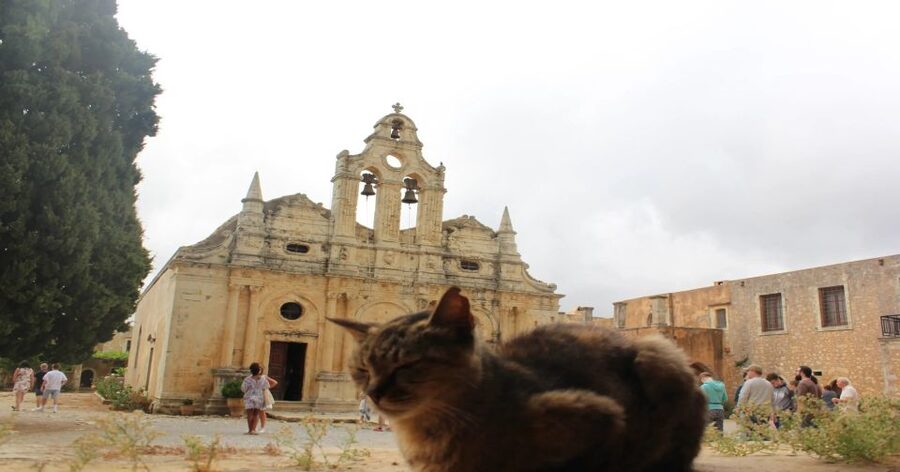
Next comes a monastery that dates back to 1600. Here you focus on Byzantine archaeology and the connection Crete and Greece have with the Byzantine Empire.
You also get a specific lesson on the significance of the altar, and what rituals and celebrations happen inside. That is one of those details that makes your photos more meaningful, because you understand what you are looking at rather than just taking pictures.
5) An abandoned olive mill and why that matters to Orthodox life
You then visit a nearby abandoned olive mill, tied to the long chain between church life and the countryside economy. The tour explains the olive oil process and why the church’s assets mattered for survival among poorer Cretan families.
This is a rare stop on a religious tour, and I think it’s one of the most valuable parts. It shows you faith as something embedded in work. When you see olive mills and know how long the production cycle is, it becomes easier to grasp why monasteries accumulated resources over centuries.
6) A talk with the monastery superior, plus a village coffee break
After the olive mill, you get a talk with the monastery superior. That kind of conversation, even if short, helps you separate “history” from “how people live with tradition today.”
Then you get a coffee break in a traditional Cretan village. This matters because the day includes multiple guided segments and sacred space visits. You will feel better after a pause, and it gives the guide time to answer your questions in a calmer setting.
7) Akrotiri region: hermit country with active monasteries
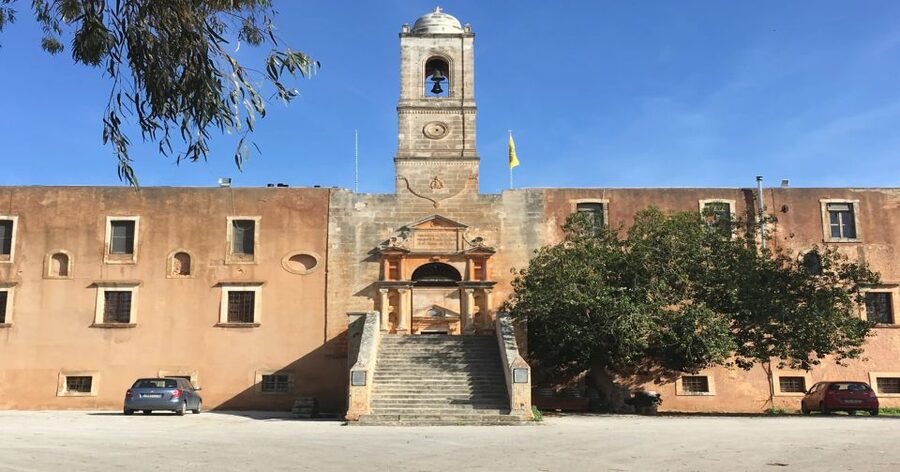
You continue toward Akrotiri, a mountainous area northeast of Chania that is known for monasteries and a monastic tradition where ascetics and hermits once lived.
In this part of the day, you make stops at two desolate but beautiful monasteries. The emphasis here is on active monastic life. You pass through tiny mountain passages, see cultivated lands associated with monasteries, and you get to observe monks in their daily duties.
If you come for atmosphere, this is where it happens. The quiet settings and the sense of routine make it feel real.
8) The underground church devoted to St. Spyridon
The highlights include a visit to an old underground church dedicated to St. Spyridon. Underground churches are not common, so this is one of those “only in this area” moments.
I recommend mentally slowing down here. Even if you are not the type who reads every icon and inscription, the space itself will do the work. The guide’s explanations help you understand what the setting means for worship.
9) A Proto-Byzantine church complex
Another key historic stop is a church complex dating back to the Proto-Byzantine era. You are seeing early Christian and Byzantine evolution through architecture, and you get guided context for what it represents.
This is best for you if you enjoy tracing how religious practice and building styles changed over time. If you only want modern churches and lots of interior time, you might find some structures are more exterior and ruin-focused.
10) Abandoned monastery complex and the Virgin Mary whitewashed chapel
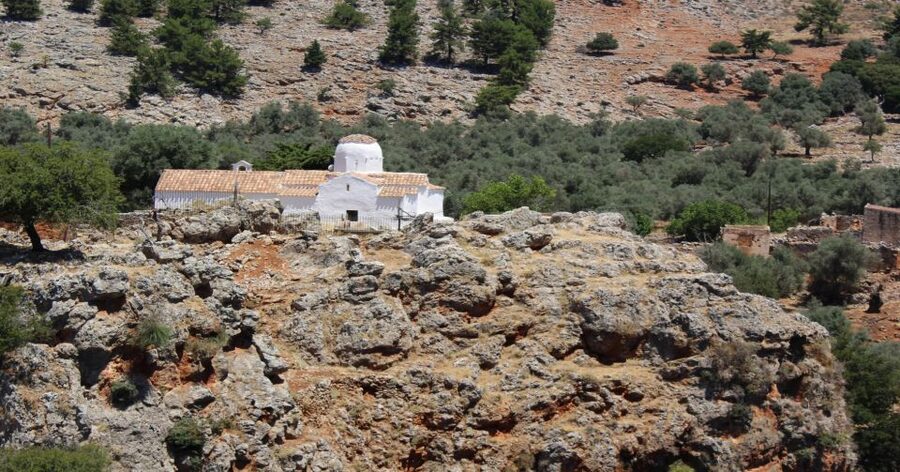
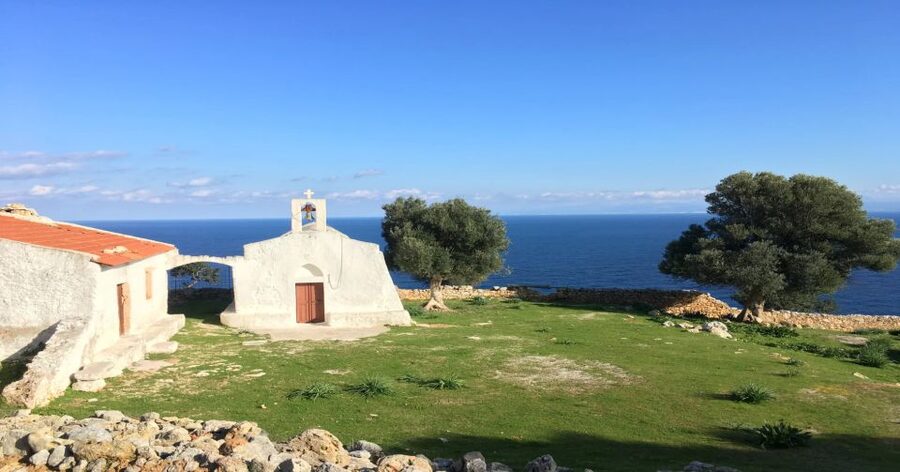
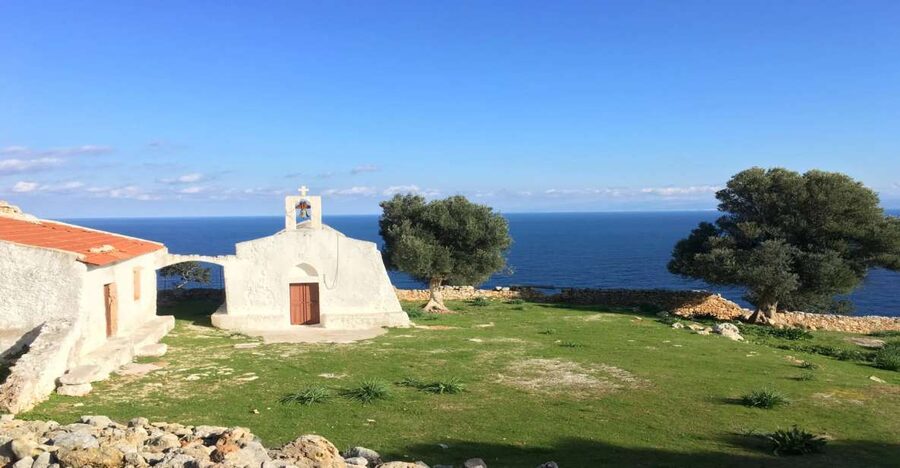
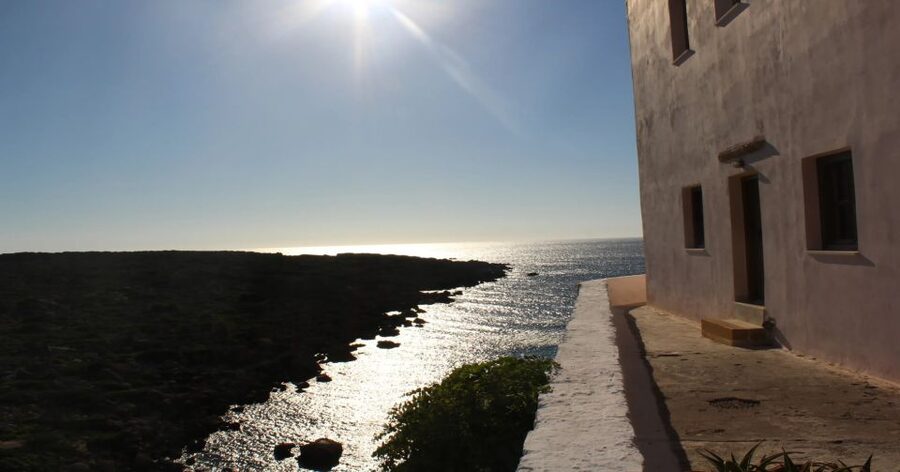
The tour ends with a visit to an abandoned monastery complex with impeccable views over the Aegean Sea. Then you visit a whitewashed chapel devoted to the Virgin Mary, with the kind of views that make you pause for photos.
This final phase is a good reset. By then, you have the context from earlier doctrine and rituals, so even a chapel stop feels more like a conclusion than a random viewpoint.
What you gain from the “Orthodoxy tribute” approach
A lot of tours in Greece focus on pretty sites. This one focuses on why those sites exist and how Orthodoxy shaped community life.
You get explanations that connect:
- doctrine to how worship was done
- altar significance and ritual details to what you see inside
- monastic resources and donations to how people survived in harsh rural conditions
- active monastery routine to what tradition looks like today
- older religious and cultural layers to how people managed prosperity and farming life
That combination is the value. You come away with more than photos. You understand the logic behind the buildings and the devotion tied to them.
Price and value check for $176 per person
At $176 per person for 7.5 hours, you are paying for a private guide, specialized historical framing, and private A/C transport. Entrance fees are not included, and that can add some cost depending on what you visit, so budget a little extra.
Where the price starts to look fair is in the number of specialized stops included:
- Byzantine-era ruins of an unknown church complex
- an underground church devoted to St. Spyridon
- a Proto-Byzantine church complex
- monasteries that you would not easily find without local guidance
- a monastery-linked Mount Athos connection mentioned in the tour focus
- an olive mill stop tied to how church resources sustained countryside life
Also, this is a private group. That means you are not waiting for other people’s pace, and you can ask questions without feeling rushed. Based on how Apostolis handles time and adjusts detours to your interests, the experience is built to feel worth the cost rather than packed like a schedule.
Logistics that actually matter on monastery days
Dress code and shoes
You will need proper clothes for monasteries. That typically means covering shoulders and knees, but the key is to follow the operator’s rules on arrival. Bring something weather-appropriate, because you will be outside at least part of the time.
Athletic clothing and comfortable shoes are advised. Plan for uneven ground at rural churches and monastery paths.
Weather and timing
The tour runs 7.5 hours, so you should expect changing light and temperatures. Crete’s weather can shift. If you are sensitive to sun or heat, plan a hat and water habits even though the tour provides a water box lunch.
Entrance fees and on-site spend
Entrance fees are not included. That is not unusual in Greece, but it does affect your total cost. Also, lunch and drinks at the tour stops are not included, though you do get a box lunch.
Transportation and comfort
Private transport is included in a modern A/C vehicle. For many people, that is the difference between enjoying the day and getting tired of transfers.
Wheelchair note
Wheelchair accessible is listed, but monasteries can still be tricky with steps and surfaces. If mobility is a concern, ask ahead so the guide can plan the safest paths within the constraints of the sites.
Who this tour fits best
This is a strong match if you:
- enjoy religious architecture and want the meaning behind what you see
- like history that connects doctrine, ritual, and everyday survival
- prefer a private pace and time to ask questions
- care about monastery settings, including secluded or desolate viewpoints
It may feel less ideal if you:
- want only modern, fully restored churches with lots of casual walking space
- hate uneven terrain or are not comfortable with a monastery dress code
- are hoping for lots of free time, because the day is structured around guided visits
Should you book this Chania monasteries private tour?
If you want a monastery day that goes beyond a checklist, I think this is an easy yes. The standout factor is the guide: Apostolis combines a strong historical lens with a calm, patient style that lets you experience each place rather than sprint through it.
Add in the unusual stops, like the underground St. Spyridon church, the Proto-Byzantine complex, and the olive mill that ties faith to rural survival. That mix creates a day that feels specific to Chania, not generic.
If you are ready to follow the dress code, wear good shoes, and budget a bit for entrance fees, you will likely find this one of the more meaningful half-days you can do on Crete.
FAQ
How long is the Chania monasteries private tour?
The tour lasts 7.5 hours.
What is the price per person?
The price is $176 per person.
Do I get hotel pickup and drop-off?
Yes. Free hotel pickup and drop-off are included from all Chania central areas.
Is lunch included?
You get a box lunch with water, banana, apple, and chocolate. Lunch and drinks at the private tour stops are not included.
Are entrance fees included?
No. Entrance fees are not included.
What should I wear for monasteries?
You must wear proper clothes for entering monasteries. Athletic clothing and comfortable shoes are advised, and you should bring weather-appropriate clothing.
Fresh options around Chania
- Preveli Beach and Plakias Full-Day Trip From Rethymno★ 4.0 · 59 reviews
- Private professional Vacation photoshoot in Chania★ 5.0 · 4 reviews
- Rethymnon Olive Tree Sponsorship Protect and Plant Tour★ 5.0 · 5 reviews
- Paragliding Tours in Crete★ 5.0 · 33 reviews
- Private – Jeep Safari Tour with Lunch and Tastings★ 5.0 · 35 reviews
- Limnoupolis Water Park All in★ 3.5 · 28 reviews
- Limnoupolis Water Admission Ticket★ 4.5 · 9 reviews
- Private Tour Knossos Palace-Archaeological Museum-Heraklion Town★ 4.5 · 11 reviews
Private, compared.
Knossos Palace Skip-the-Line Ticket & Private Guided Tour
Read our review →
Wine & Olive Oil Tour with Lunch – Semi Private Safari Tour
Read our review →
Private Boat Trip Kissamos Balos (price per group – up to 10 people)
Read our review →

PRIVATE Walking Tour with Lunch and Wine Tasting by a Sommelier
Read our review →
Full-Day Private Custom Tour to Elafonisi the Pink Sand Beach
Read our review →
Chania old town and around private tour (price per group of 6)
Read our review →Browse the lists this tour appears in