
Reviewed · OLIVE FARM TOURS
Chania Private Olive Oil Tour: Oil Tasting & Villages Tour
This tour is interesting because it shows olive oil like a food you can trace, not just something you buy in a shop. I like the mix of places you visit, from groves to both older and modern production, and I like that you get tasting time plus real take-home oil from the area. One thing to consider: it is a full day with several stops, so if you prefer a slow, purely scenic outing, this may feel like a lot.
If you’re lucky enough to be guided by Apostolis through Proper Cretan Guide, you’re in good hands. He’s described as highly responsive to what people want to focus on, and he makes the day feel easy to follow, even when the topic turns technical. The other practical note is that lunch and drinks at specific stops may cost extra, since only a simple box lunch is included.
Key Highlights You’ll Actually Care About
- Old mill to modern factory, so you can compare how extraction has changed over time
- Free extra virgin tastings, both from the grove oil experience and at the modern facility
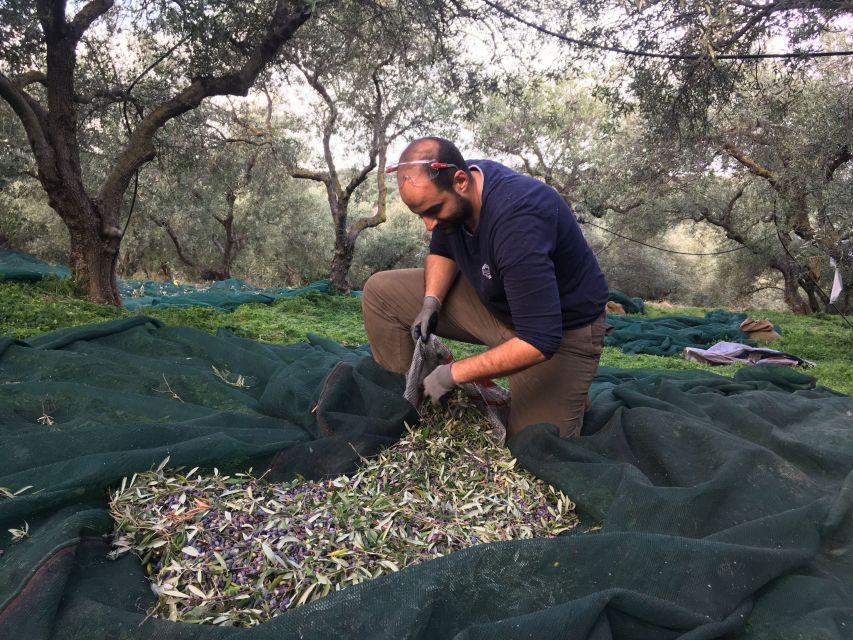
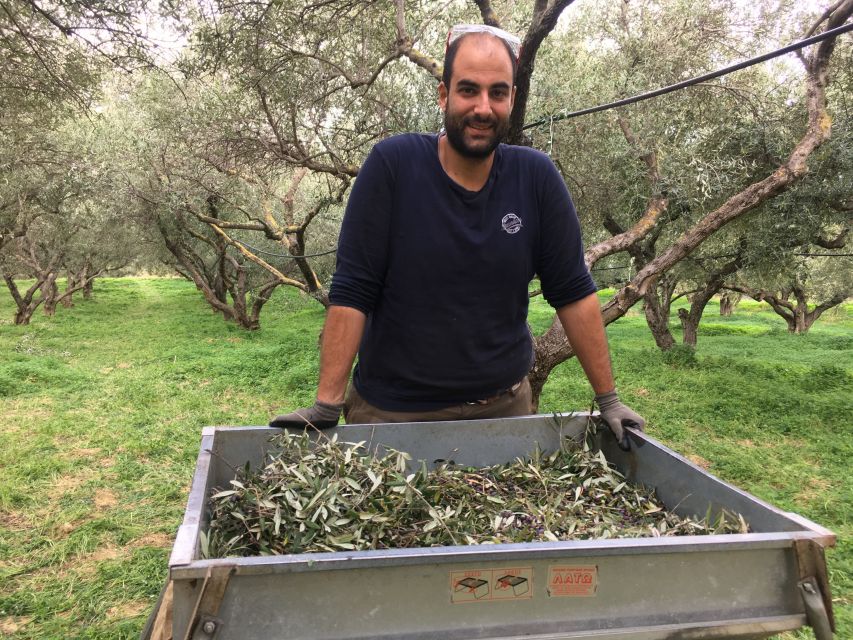
- Private grove walk with a professional farmer talking farming, irrigation, and grafting
- Take-home organic extra virgin olive oil, given at the end of the tour
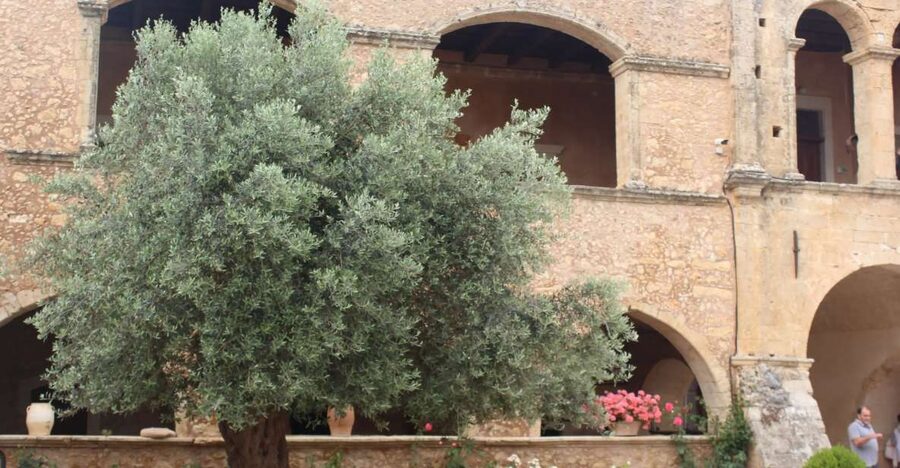
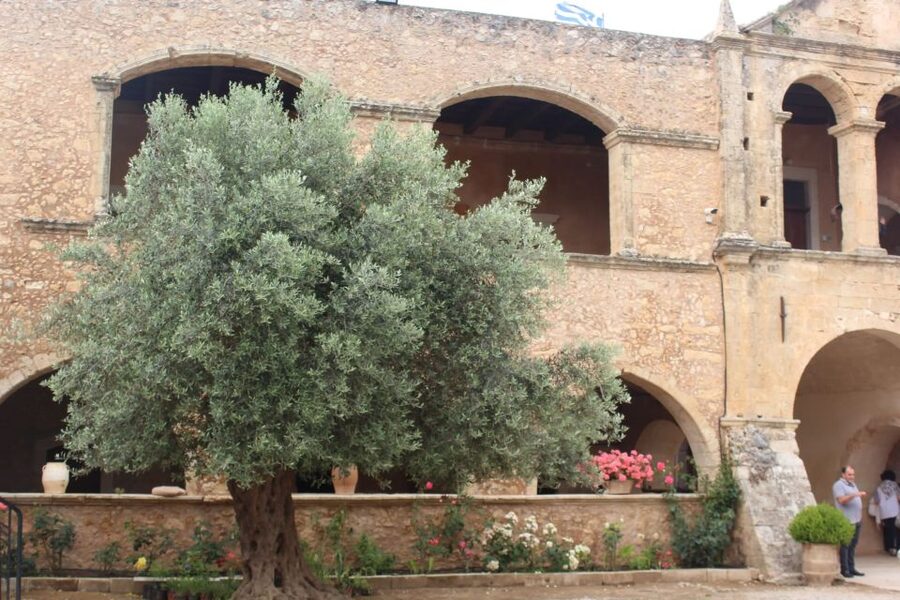
- Possible 3000-year-old olive tree, with great photo time and room to admire slowly
- Flexible stops and photo breaks, built around your pace and interests
Why This Olive Oil Day Trip Beats a Standard Sightseeing Route
Chania is famous for pretty streets and classic harbor views, but this tour takes you into the engine behind Crete’s olive culture. You spend the day learning how olives become different grades of olive oil, why harvesting matters, and how production choices shape what ends up in the bottle.
What makes the experience work is the order. You don’t just jump into tasting. You start with how the trees are grown, then you see how oil was processed in older mills, and only then do you get the modern factory walkthrough and a guided tasting. If you like food that has a story you can actually explain later, this format helps a lot.
Also, this is private. That matters here because questions come up naturally once you start seeing equipment, meeting a farmer, and comparing extraction methods. You can get answers in real time instead of waiting for a group to catch up.
More Olive Farm Tours in Chania
- Crete Wine and Olive Oil Tour
★ 5.0 · 272 reviews - Wine & Olive Oil Tour with Lunch at Milia Mountain Retreat
★ 5.0 · 194 reviews - Wine & Olive Oil Tour with Lunch – Semi Private Safari Tour
★ 5.0 · 156 reviews
Chania Pickup, Private Transport, and Getting Oriented Fast
The day starts with pickup from central Chania areas. You’ll be asked to wait in the hotel lobby about 10 minutes before your scheduled pickup time. From there, you’re on private transport, with a professional driver and guide team handling the driving so you can focus on the land and the lessons.
Early on, you’ll move through olive valleys and farmland, including a stretch where you pause at an elevated spot. That stop is more than a view break. It helps you understand the scale of cultivation around Chania, so later when you’re looking at groves and mills, you get the bigger picture instead of feeling like you’re hopping between unrelated stops.
If you’re the type who likes photos but also likes context, you’ll probably enjoy the way the day balances both. There are photo opportunities, but the stops aren’t just for taking pictures. They’re built to explain what you’re seeing.
The Bio Olive Oil Factory Visit, and How You Learn to Read Extra Virgin
One of the first production stops is a bio olive oil factory experience. This is where the day starts turning from agriculture into processing. You can expect a guided visit that frames how olives move from grove to mill, and why production methods affect taste and quality.
Here’s the practical value: once you’ve seen where and how oil is made, tasting becomes less random. You learn what people mean when they talk about extra virgin, grades produced in Chania, and the basic steps of how extraction works. Instead of just saying this is good or not, you’ll have a mental checklist.
You’ll also hear about olive varieties and how olives are collected. Even if you don’t become a technical olive person by the end of the day, you’ll get a clearer sense of why two bottles labeled extra virgin can taste different.
A potential drawback: factory stops often mean time on your feet and watching processes that take a while to explain. If you get impatient with demonstrations, you might want to set expectations before the day starts. The tradeoff is that the explanations stay connected to tasting later.
Private Olive Grove Time With a Farmer, Not a Script
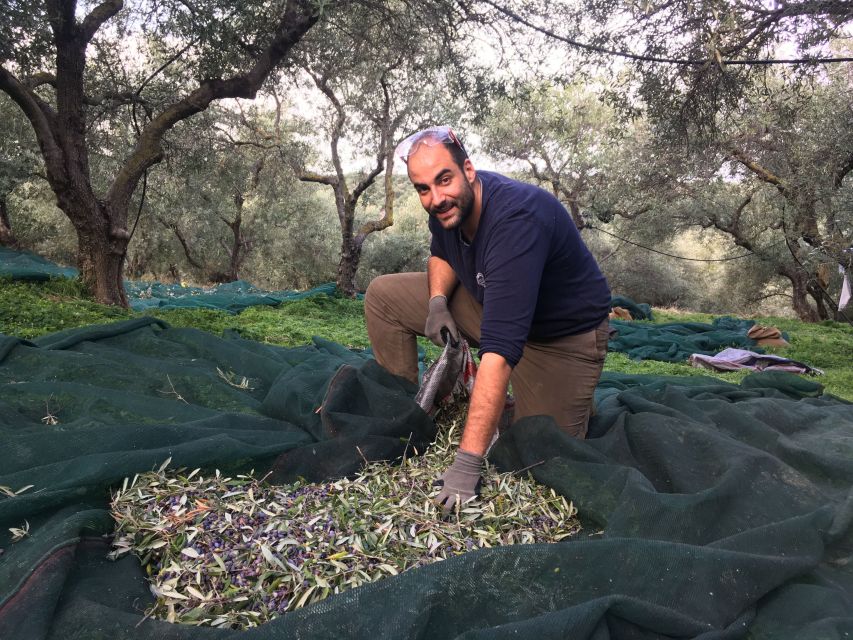
The grove session is one of the most important parts of the itinerary, because it’s where you see the “why” behind the “what.” You get a private visit to an olive grove and learn how different olive varieties are grown in Crete, along with farming methods used today.
A local experienced farmer is part of the day, and that matters. You’re not just hearing general facts. You’re hearing how farmers manage irrigation, why grafting is used, and what they do to support higher quality crops. Those details are the kind that make the tour feel real, not staged.
This is also where you get the olive oil tasting connection that feels personal. You’ll receive fresh organic olive oil linked to the specific grove experience, then you can take it back for tasting later. Having take-home oil changes how you remember the day. You can compare that oil against what you buy back home, and you’ll know what questions to ask.
If you want to get the most out of this stop, go in curious. Ask about how the grove practices affect flavor, and pay attention to what the farmer points out. The tour is built for conversation, not just lectures.
More olive farms and mills near Chania:
- Chania: Milia Mountain Tour w/Lunch Olive Oil/Wine Tastings
★ 4.9 · 97 reviews - Explore the Secrets of Wine and Olives in Chania
★ 4.8 · 11 reviews - Explore the Secrets of Wine and Olives
★ 5.0 · 9 reviews - Pottery – Honey & Olive Oil experience
★ 4.5 · 9 reviews
Old Olive Mill Walkthrough, and the Payoff of Seeing Extraction Methods
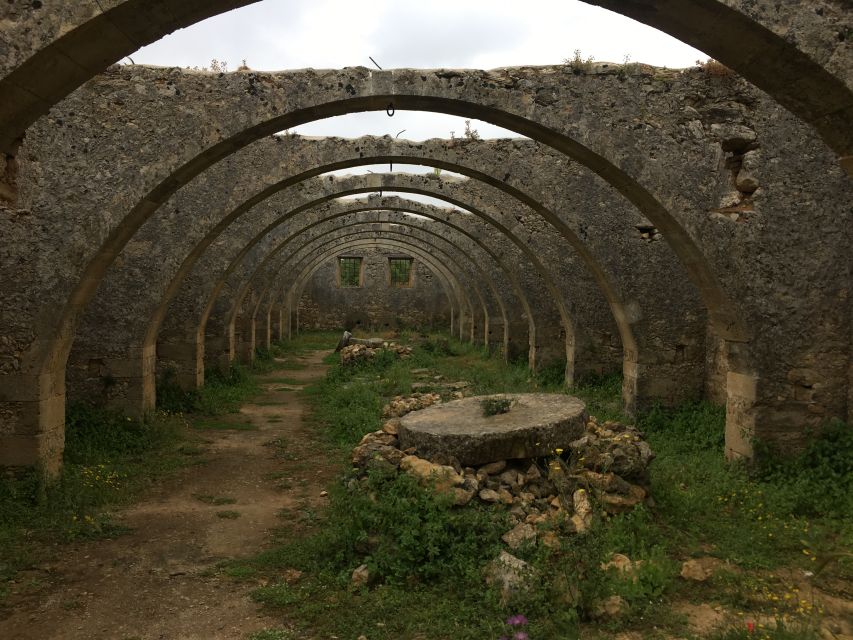
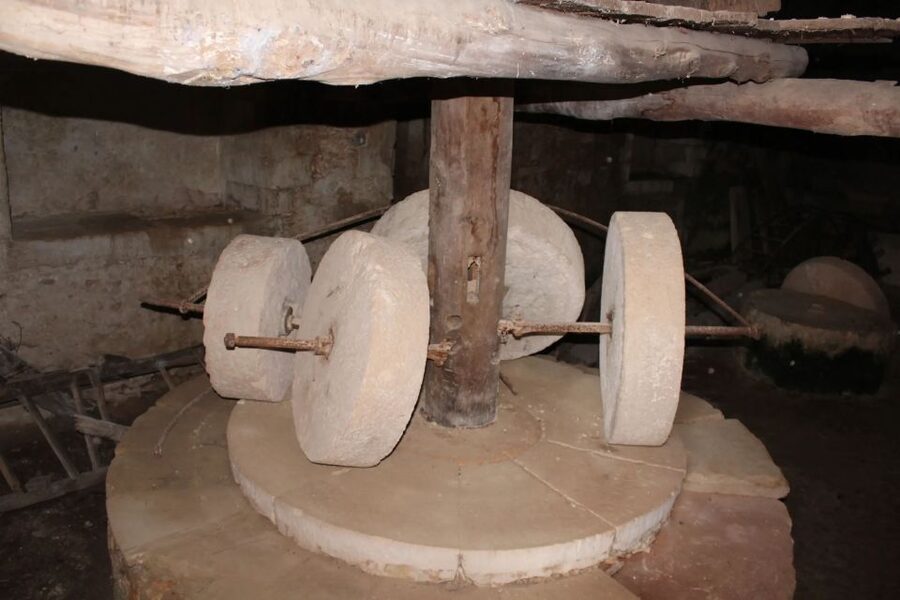
After the grove time, you’ll visit an older olive oil mill. This stop brings in the centuries component, with a walkthrough of how olives were processed long ago by Cretan ancestors.
This is where the day earns its name. You’re not only tasting today. You’re seeing phases of extraction through the ages, so modern production makes more sense. It helps you understand why certain equipment and methods developed, and why older systems were shaped by what people could do with available tools and power.
The most valuable part of an old-mill visit is contrast. When you compare the older approach with what you see later at a modern factory, you quickly understand what changes actually do to the process.
One consideration: older mills can mean uneven surfaces and tight spaces, depending on where you’re walking. Wear comfortable shoes and don’t plan on doing this in fancy footwear.
Lunch and Village Life in Apokoronas, With Plenty of Breathing Room
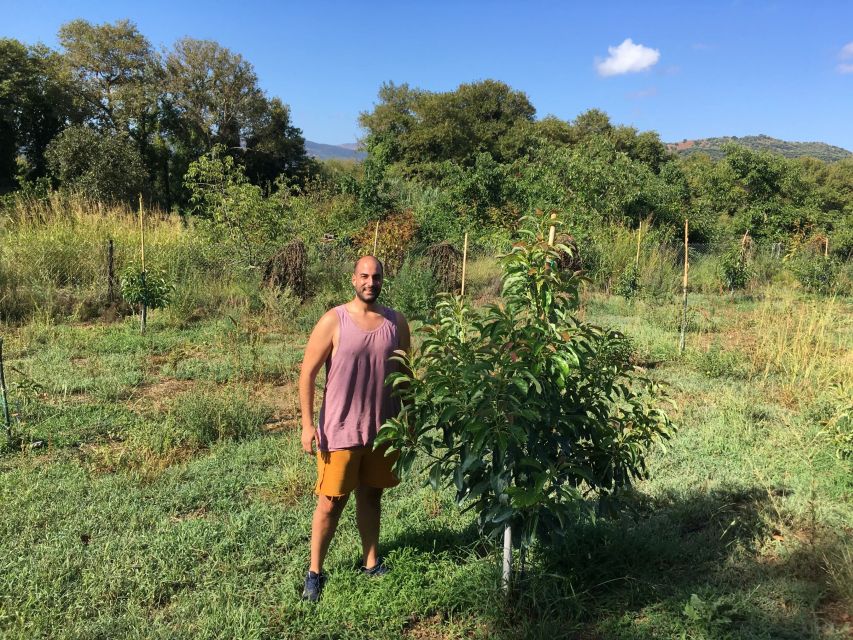
Between the production sites and the big nature stop, the tour breaks for coffee and then lunch. The included box lunch is meant to keep the day moving, and it’s paired with items like water, banana, apple, and chocolate.
You’ll also spend time in the Apokoronas region, with a chance to talk about local villages and the farmer’s life. The tour description emphasizes a setting with lush vegetation and rivers, and that matches what makes these breaks feel different from a typical tourist lunch. It’s not just eating, it’s swapping view time for conversation time.
A good detail: in at least one documented example, lunch was in the village of Vryses, described as a small valley with trees and a river, plus local geese. That kind of scene is exactly why this route works. It grounds the olive story in real daily life.
Depending on your day and the flexible flow of the tour, you might also make a short stop at a small monastery. In one case, it was a tiny place with centuries of history and an opportunity to sample raki. Because the day is described as flexible, it’s worth asking your guide what extras fit your interests that day.
Photo Stop Views and the Art of Standing Still for a Minute
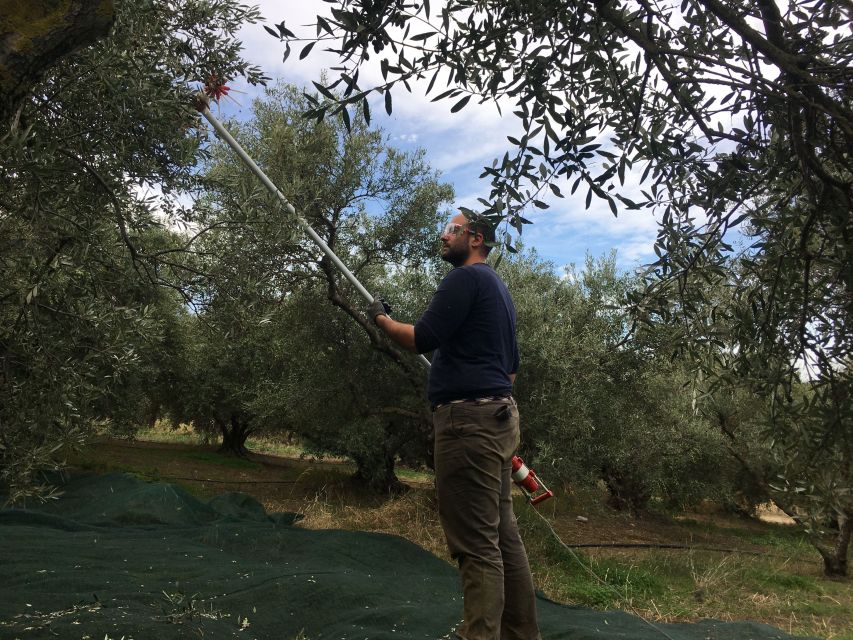
The tour includes an elevated photo stop where you take in the scale of cultivation and the surrounding mainland villages. This isn’t the usual “quick snap and go” moment. If you let it, this is where your brain connects the olive groves to the wider countryside.
I recommend using this moment actively, not passively. Pick one direction and identify what you’re seeing, then connect it to what you’ll learn later: groves, water systems, cultivation patterns, and how production fits into the land.
It also helps to travel with a camera mindset but a relaxed pace. The best photos often come after you’ve stopped rushing and started observing.
The Possible 3000-Year-Old Olive Tree: Why This Stop Hits Hard
Near the end of the day, you’ll visit an ancient olive tree described as more than 3000 years old. The tree is far enough away that you’re not just staring at it from a crowd line. Instead, you get a moment to admire it and take photos.
What makes this stop meaningful is the emotional math it gives you. After talking about grafting, irrigation, grades of olive oil, and mill processes, suddenly the day becomes bigger than the current season. You’re standing with something that has outlasted systems, tools, and even the people who once harvested from it.
If you enjoy slow moments, you’ll appreciate this. If you get antsy in nature stops, ask your guide how much time you’ll have and try to schedule it mentally as a “reset” in the day.
Modern Olive Oil Factory Tasting, Right Next to the Equipment
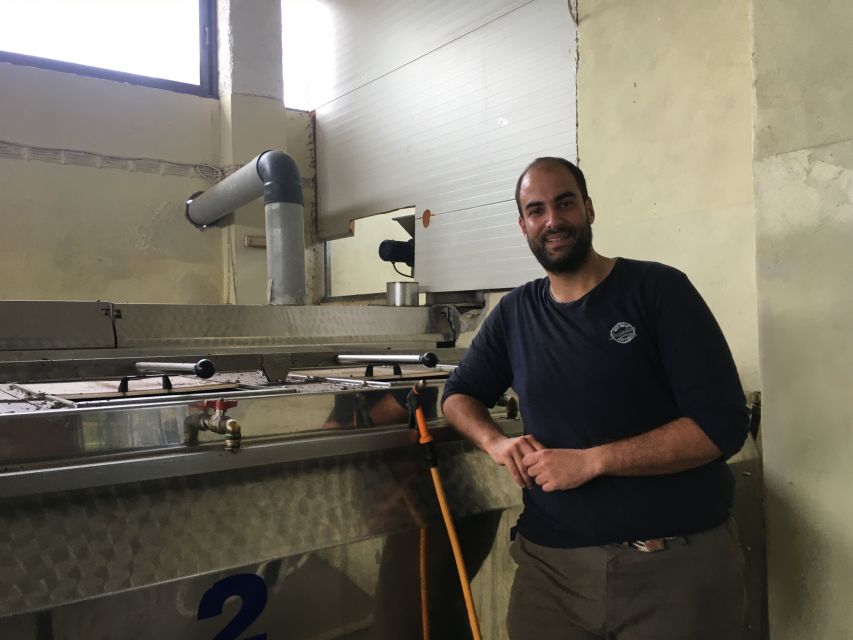
The final production stop is a modern olive oil factory, in the Chania region. Here, the guide explains modern methods of olive oil production, refinement, and processing.
Then comes the part most people remember: olive oil tasting inside the factory, next to the processed olive oil equipment and machinery. Tasting on-site changes the whole experience. You can literally see what the guide is describing while you taste, which makes it easier to connect flavor to process.
This tasting pairs well with what you learned earlier. By now, you’ll have a better sense of why the tour cared about harvesting, olive varieties, and the idea of oil grades. You’re less likely to just say this is tasty. You’ll start picking up differences with a little structure.
And you’re not leaving empty-handed. You also get free organic extra virgin olive oil at the end of the tour, so you can keep the tasting going at home.
Price and Value: What $176 Buys You in Real Terms
At $176 per person for a 7.5-hour private experience, the price sits in the middle of “serious food tour” territory, not bargain land. The best way to judge value here is to count what’s included that many half-day tours do not offer.
You’re getting:
- A private transport day with a licensed historian guide/driver team
- A professional farmer involved in the grove portion
- Guided visits to both older and modern production sites
- Tasting time and free take-home organic extra virgin olive oil
- A box lunch with water, fruit, and chocolate
- Flexible stops, meaning your day can adjust to your interests and timing needs
What’s not included is also clear: entrance fees if applicable, plus lunch or drinks at the private stops. In other words, the core tour is paid for, but you might still spend a little depending on what a particular stop requires.
If you love food and you’re willing to invest one full day in learning, this price can feel fair. If you mainly want casual sightseeing and don’t care much about food production, you may get less from it.
Who Should Book This Tour, and Who Might Skip It
This tour is a strong fit for you if:
- You like learning how food is made, not just where to take photos
- You’re interested in agriculture and how farming practices change outcomes
- You want a memorable take-home item, not only souvenirs
- You prefer a private pace so questions are easy
It may be less ideal if:
- You want mostly beach time and minimal walking
- You dislike factories and prefer pure nature over production sites
- You’re sensitive to a day with several segments and explanations
Because it’s private, it’s especially good for couples and small groups who want their questions answered without feeling rushed.
Should You Book Chania’s Private Olive Oil Tour?
I’d book it if you want a Cretan experience that is practical and hands-on. The day gives you a clear path from grove to mill to tasting, plus a rare feeling of time depth when you visit the ancient olive tree.
Before you commit, consider two simple questions: do you enjoy food culture that includes machinery and process? And are you okay giving up one full day for learning and tastings rather than splitting your time between beaches and towns?
If your answers lean yes, this is the kind of tour where you can still talk about what you learned weeks later, especially when you’re tasting that bottle of extra virgin at home.
FAQ
How long is the Chania private olive oil tour?
The total duration is 7.5 hours.
Where does pickup happen?
Pickup is included from all central areas in Chania. You’ll wait in your hotel lobby about 10 minutes before the scheduled pickup time.
Is the tour private or shared?
It is a private group tour.
What languages are offered?
The live tour guide offers English and Greek.
What’s included in the price?
Included items are a professional licensed historian tour guide/driver (certified by the Greek Ministry of Tourism), a professional farmer, private transport, a box lunch with water, banana, apple, and chocolate, free organic extra virgin olive oil at the end, and flexible stops. It also includes hotel pickup and drop-off from central Chania areas.
Do you get olive oil tasting during the tour?
Yes. You’ll get free extra virgin olive oil tasting at the modern olive oil factory, and you also receive fresh organic olive oil from the specific grove for tasting.
Do you visit both old and modern olive oil production sites?
Yes. The tour includes a medieval or older olive oil mill visit and then a modern olive oil factory visit with a walkthrough and tasting.
Is there an ancient olive tree stop?
Yes. The tour includes a visit to an ancient olive tree estimated to be more than 3000 years old.
Can this tour work as a shore excursion from a cruise?
Yes, it is described as available as a shore excursion covering the Chania and Souda cruise port.
Is lunch fully included?
The tour includes a box lunch with water, fruit, and chocolate. It does note that lunch or drinks at private tour stops are not included if you choose to buy them.
More Food & Drink in Chania
- Walking “Food tasting tour” in the town of Chania
★ 5.0 · 297 reviews - The Delicious Chania Street Food Tour
★ 5.0 · 138 reviews - PRIVATE Walking Tour with Lunch and Wine Tasting by a Sommelier
★ 5.0 · 113 reviews - Sunset Craft Beer & Food Tour – Chania Old Port
★ 5.0 · 86 reviews
Fresh options around Chania
- Preveli Beach and Plakias Full-Day Trip From Rethymno★ 4.0 · 59 reviews
- Private professional Vacation photoshoot in Chania★ 5.0 · 4 reviews
- Rethymnon Olive Tree Sponsorship Protect and Plant Tour★ 5.0 · 5 reviews
- Paragliding Tours in Crete★ 5.0 · 33 reviews
- Private – Jeep Safari Tour with Lunch and Tastings★ 5.0 · 35 reviews
- Limnoupolis Water Park All in★ 3.5 · 28 reviews
- Limnoupolis Water Admission Ticket★ 4.5 · 9 reviews
- Private Tour Knossos Palace-Archaeological Museum-Heraklion Town★ 4.5 · 11 reviews
Olive Farm Tours, compared.
Quad Safari, Olive Mill with Tasting & Ghost Village
Read our review →
Zeus Cave -Old Traditional Villages-Olive Oil Factory
Read our review →
Olive Farm Tour with Tasting of Local Delicacies
Read our review →
Zeus Cave, Lassithi Plateau, Olive Oil Factory, Kritza, Pottery
Read our review →
Knossos, Lasithi, Lasinthos and Olive Farm Combo Tour
Read our review →Browse the lists this tour appears in