
Reviewed · LASITHI PLATEAU & CAVE OF ZEUS TOURS
Plateau of Lassithi, Monastery of Kera and Ceramics
The Plateau of Lassithi and Dictean Cave are the kind of Cretan stops that feel bigger than the map. You go from monastery stone to cave coolness, then into wind-swept plateau country where a project once tried to tame the weather.
I really like the practical side of this day. Pickup reaches many areas of north Crete, and you ride in an air-conditioned vehicle with Wi-Fi, so the long day stays comfortable. I also appreciate the way the tour explains things with a real local guide, and guides like Viola are known for making the story clear in more than one language.
One thing to plan around: not everything is ticketed in. The monastery entry is listed as extra (2 euros), and lunch is optional (14 euros). Also, the cave day involves walking, so bring comfortable shoes.
Key things to know before you go
- Windmill country: the plateau was once covered with about 10,000 windmills, with only a few left today.
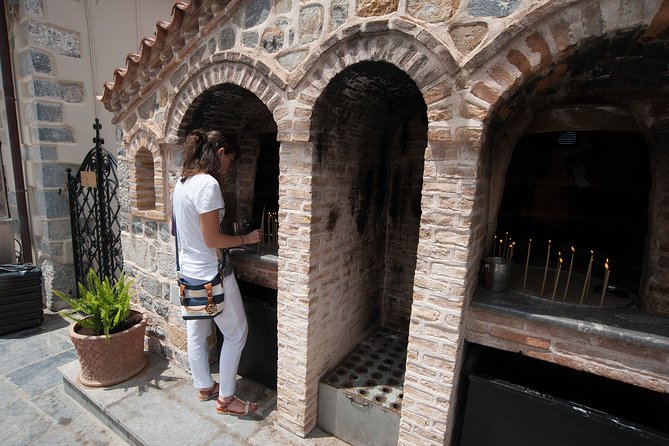
- Panagia Kera timing: monastery stop is about 45 minutes, and the 2 euro entry fee is not included.
- Dictean Cave visit: the day is built around the cave experience, so wear shoes for an uneven underground feel.
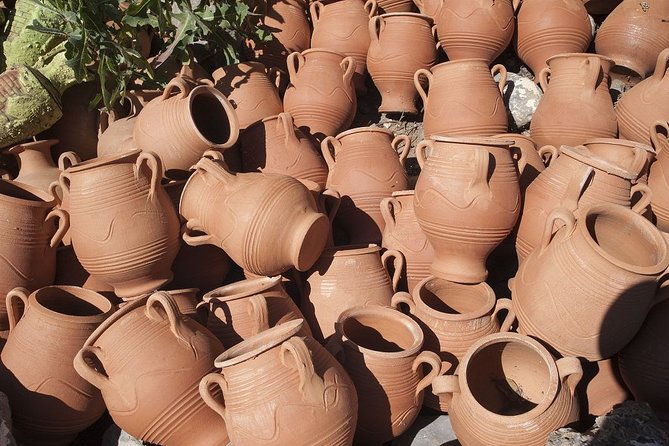
- Toned-down, useful pottery time: you get to watch ceramic-making in Termiado, with that admission included.
- Smaller groups than you expect: the tour caps at 46 people, with a live guide and insured service.
- Weather matters: the tour requires good weather, with a reschedule or refund if conditions fail.
Why Lassithi Plateau and Panagia Kera make a satisfying day
This tour works because it mixes three very different Cretan “modes” into one smooth rhythm. You start with Panagia Kera Kardiotissa, a monastery tied to a turbulent chapter of island history. Then you shift to the myth-and-mountains energy of Dictean Cave, often linked to Zeus in local tradition. And you end up on the plateau itself, where wind, altitude, and open views shape the way people live.
The plateau part is where the day really clicks for me. Lassithi is known for its winds, and the tour’s reference point is the windmill dream: the plateau once had around 10,000 windmills. That number is hard to imagine until you’re up there and realize how much water, heat, and effort the island has always had to manage. When you see just a few windmills remaining, the story feels grounded, not just decorative.
Then there’s Panagia Kera, which adds an emotional weight. The monastery’s role during the Cretan Revolt, plus the damage it suffered, makes it more than a photo stop. Even if you don’t go in expecting big museum vibes, you’ll leave with a clearer sense of how faith, politics, and everyday life overlapped on Crete.
More Lasithi Plateau & Cave of Zeus Tours in Heraklion
- Knossos-Zeus Cave -Old Traditional Villages-Olive Oil Factory
★ 5.0 · 694 reviews - Crete: Knossos, Lasithi, Lasinthos and Olive Farm Combo Tour
★ 4.5 · 351 reviews - Knossos & Lasithi Plateau: Zeus Cave,Villages, Olive Oil Tour
★ 5.0 · 328 reviews
Pickup, Wi-Fi, and pacing on an 8-hour guided day
At about 8 hours total, this is a full-day tour, but it is not a marathon. The big advantage is the transportation setup. You can choose pickup from many areas in north Crete, and you travel by air-conditioned vehicle with Wi-Fi. That matters in Crete, where the heat can steal your energy even on a “cool” day trip.
The pace is guided, which helps if you’re not comfortable driving in unfamiliar mountain roads. You’ll be moving between sites, but the tour structure keeps the day from feeling random. You also get a live tour guide throughout, so you’re not left guessing what you’re looking at, or why it matters.
Group size is capped at 46 travelers, which can be either good or annoying depending on your tolerance for crowds. I find this size manageable as long as you keep your expectations realistic. You’ll likely get time to look around at each stop, but you might not have a private moment everywhere.
For pacing, plan for a day where you’ll be mostly upright, climbing in small stages, and doing some walking in cave conditions. Nothing here sounds extreme, but you should treat it as active sightseeing.
Panagia Kera Kardiotissa monastery, and why its history hits
The monastery stop is about 45 minutes, and admission is not included (2 euros). That short window is long enough to see the key parts and soak up the atmosphere without turning this into a half-day church visit.
What makes Panagia Kera interesting is the context. The monastery is described as having played a major role during the Cretan Revolt and having suffered significant damage. In plain terms, that means you’re not just touring beautiful stonework. You’re visiting a place that has endured. Even if the details are new to you, it gives the buildings a lived-in seriousness.
Practical tip: because the monastery is an actual sacred site, your best strategy is simple. Dress respectfully, keep your pace steady, and use the guide’s explanation to orient yourself. If your guide is good, you’ll understand what you’re looking at quickly, then you can spend the remaining minutes absorbing the vibe instead of reading everything yourself.
If you’re trying to budget tightly, remember that 2 euro entry fee. It’s not a deal-breaker, but it is one of the few “extras you must plan for” in this otherwise well-included day.
Dictean Cave: what to expect and how to prepare
After the monastery, your day turns toward Dictean Cave, described as linked to the birthplace of Zeus. Even if you’re not a mythology superfan, the cave setting does the heavy lifting. Underground space changes everything: the temperature shifts, the sound changes, and the lighting makes even familiar sightseeing feel more like an event.
The key practical point from real on-the-ground feedback is fitness and footwear. You can enjoy the cave without being an athlete, but you should be comfortable with walking on the way up. One review specifically notes that if you are relatively fit, you can get up well, and the experience outside the cave also delivers strong views nonstop. That tracks with how caves typically work. You’ll move through a vertical sequence, then you’ll be rewarded by the open-air lookout feeling.
So here’s how I would prepare:
- Wear comfortable shoes you can trust on uneven surfaces.
- Expect some uphill effort, not just a flat stroll.
- Bring a mindset for short bursts of movement followed by pauses to look.
Also, keep your attention on the guide here. In a cave, people often focus only on the big visual moments. A good guide helps you notice smaller things: how the cave experience connects to the broader region, and why this specific site matters to local storytelling.
More Lasithi Plateau and Cave of Zeus days:
- Crete: Lassithi Plateau & Kera Monastery Tour with Ceramics
★ 4.1 · 169 reviews - Heraklion: Knossos, Zeus, Villages & Olive Oil Factory Tour
★ 5.0 · 88 reviews - Knossos Palace and Plateau of Lassithi from Heraklion Region
★ 4.0 · 16 reviews - Lasithi plateau,wine and olive oil tasting,Greek Mythology park
★ 5.0 · 14 reviews
Termiado and the Lassithi Plateau windmills story
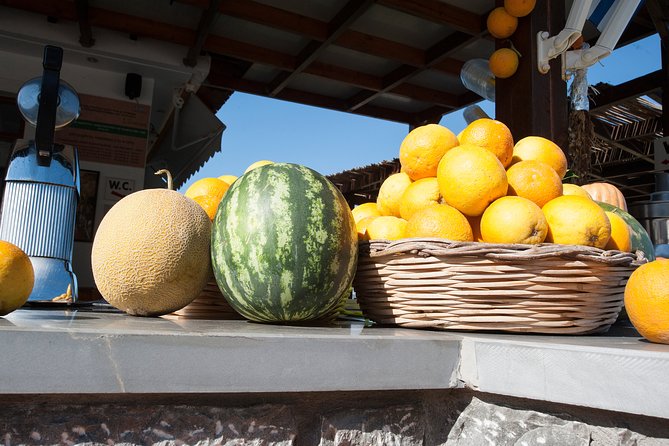
Termiado is where the plateau conversation becomes real. This is also where the tour includes a pottery workshop stop, with admission included for the pottery experience.
Here’s the windmill angle again, because it’s the heart of why this plateau stop feels different. The plateau was once covered with about 10,000 windmills, considered the biggest windmill park in the world. Today you’ll see only a few. That contrast gives you a built-in perspective: this place isn’t just scenic, it’s functional and historical.
When you’re standing in plateau country, the “why” is easier to understand. Wind is the resource, and people once tried to turn it into reliable work at huge scale. Even if you don’t know the details of the water or power systems, the visible remnants help you connect the myth-like number (10,000) to physical reality.
Time-wise, you get a short pottery workshop stop rather than a long shopping detour. That choice is good for most visitors. It means you see a craft process, you learn how people still make ceramics, and then you move on before the day gets too tiring.
Pottery workshop in Termiado: why 30 minutes can still be worth it
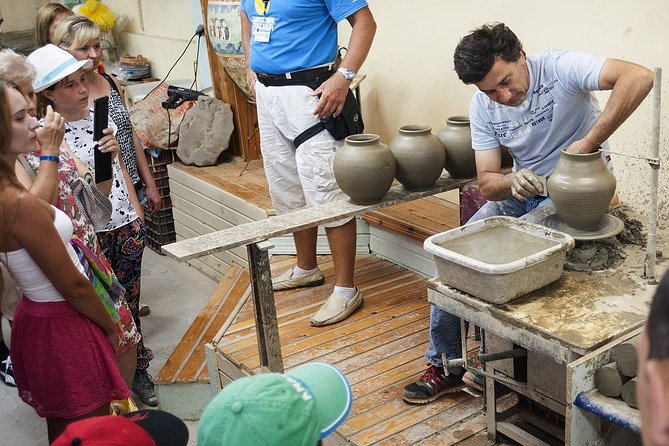
The pottery workshop stop is about 30 minutes, and that visit includes the admission ticket. The format is watch-and-learn: you can observe skilled craftsmen making ceramic pots.
This is a smart addition to the day for two reasons. First, it breaks up the physical strain of the cave and plateau driving. Second, it grounds the trip. Cretan history is often presented through ruins and churches. Ceramics adds another layer, showing craft that continues, not just monuments that survived.
What should you expect during the workshop?
- Short, guided explanation of the process.
- Watching hands work through stages of shaping and finishing ceramic pots.
- Time to look closely at what’s being made and consider whether you want to buy.
If you like souvenirs but hate the pressure of long bazaars, this is one of the calmer ways to shop in Crete. You’re not forced to linger for hours, and the value comes from seeing the craft, not just getting a product.
One caution: if you’re the kind of person who buys things only after a careful comparison, allow yourself to ask questions quickly. With a set tour timetable, your best chance to get specific answers is during the guided portion.
Price, what’s included, and where you may pay extra
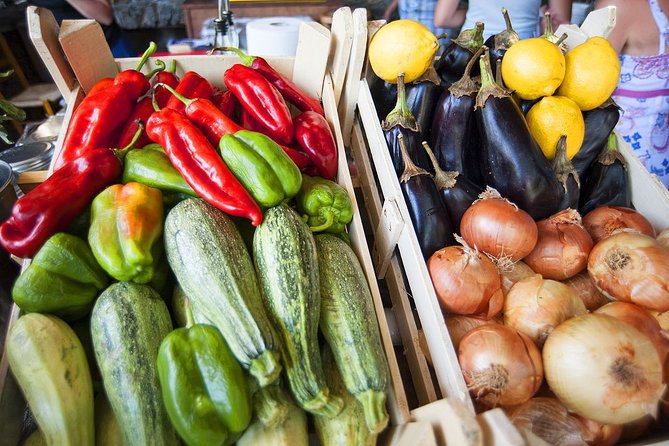
The price is $36.46 per person, and the value is strong for what you’re getting. You have air-conditioned transportation, live tour guidance, and insurance included. You also have Wi-Fi on board and pickup from many north Crete starting points. For an 8-hour day that includes multiple major sights, that bundle is the main reason this costs less than many similarly structured tours.
Included admissions are also part of the value. The pottery workshop admission is included, and the monastery is not. The monastery entry is listed as 2 euros, which is small but real. Lunch is optional and listed around 14 euros, with a set menu that includes pork chop or chicken with oven potatoes, Greek salad with feta, tzatziki, bread, and a glass of wine or a non-alcoholic drink.
So where does your money go?
- Included: guide, transportation comfort, insurance, Wi-Fi, pottery workshop admission.
- Likely extra: monastery entry (2 euros), lunch if you opt in, and any extra coffee breaks.
My advice for best value: if you tend to snack, plan your own small budget for coffee breaks and treat lunch as optional. If you prefer sitting down and not thinking about food, the included optional lunch menu can be an easy fix for a long day.
Who this tour suits, and who might want to tweak plans
This tour suits you if you want a guided day that covers the big emotional stops: a monastery with real historical weight, a famous cave experience, and plateau country with windmill context plus a craft workshop.
It’s also a good match if you don’t want to drive yourself up through mountain areas. The pickup setup from north Crete and the guided explanation reduce stress.
A few notes to help you decide:
- If you’re comfortable walking and climbing a bit in cave conditions, you should enjoy the day.
- If your main interest is purely archaeology, you might prefer a more archaeology heavy route. But if you want stories, settings, and variety, this is a solid blend.
- If you hate guided group timing, remember there are fixed windows like 45 minutes for the monastery and 30 minutes for the workshop.
One review highlighted that it can be long to drive up for multiple stops, and that they were glad they booked only this plateau-focused tour rather than adding something like Knossos afterward. That’s a helpful mindset. This day is already full. If you try stacking too many attractions the same day, you may feel rushed.
Service quality and what to expect from the guide
The tour stands out in reviews for customer service and for guides who actually communicate. One standout comment mentions that the booking system had an error and that rather than canceling, the company and guide handled it with sincere care. Another review praises the guide for interesting storytelling in German and English.
That matters because this is exactly the kind of day where “what am I looking at?” can ruin your enjoyment if the guide is flat. With a strong guide, you’ll get more meaning out of monastery history and cave symbolism, and you’ll understand why the windmill number matters.
If you get guide Viola on your date, you’re in good shape. Her reputation in feedback is specifically tied to making the experience feel organized, human, and genuinely helpful.
Should you book this Lassithi Plateau, Kera Monastery and ceramics day?
Book it if you want a single day that gives you three strong textures: monastery history, Dictean Cave, and plateau life with windmill context, plus a short but included ceramics workshop in Termiado. The day’s value is also clear. For $36.46, you’re buying comfort, guidance, and entry to part of the experience.
I would not book it if you dislike caves, or if you want a slow pace with lots of free time. This is structured, and you will be moving between stops for about 8 hours. Also, plan for small extra costs like the monastery entry fee.
If your idea of a great day in Crete is variety plus a local narrative, this tour is an easy yes. You’ll come away knowing more than just where things are, and you’ll still have enough craft and scenery to feel you truly left Heraklion behind.
FAQ
How long is the tour?
It runs about 8 hours (approx.).
Where does the tour start?
Pickup is offered from many areas of north Crete.
Is transportation comfortable?
Yes. You travel by air-conditioned vehicle, and Wi-Fi is included.
How big is the group?
The tour has a maximum of 46 travelers.
Is there a live guide?
Yes, you get a live tour guide.
Do I need to buy tickets for all stops?
Not all of them. The pottery workshop admission is included, while the Kera Kardiotissa monastery entry is listed as 2 euros. Lunch is also not included.
Is lunch included?
Lunch is not included. An optional lunch is listed at 14 euros with a set menu.
What is the pottery stop?
You visit a pottery workshop, where you can watch skilled craftsmen make ceramic pots. The admission ticket for this stop is included.
What if the weather is bad?
The experience requires good weather. If it is canceled due to poor weather, you will be offered a different date or a full refund.
Can I cancel and get a refund?
Yes. You can cancel for a full refund up to 24 hours in advance of the experience start time.
Fresh options around Heraklion
- Mirabello Luxuries with Spinalonga & Agios Nikolaos from Iraklion★ 4.5 · 7 reviews
- Heraklion – Walking city tour with food tasting★ 4.5 · 25 reviews
- Private Full-Day Elafonisi★ 5.0 · 4 reviews
- Private Trekking Rouvas Gorge★ 4.5 · 4 reviews
- Private Guided Tour to Knossos Palace, the Museum and Heraklion★ 5.0 · 13 reviews
- Truffle Hunting, Culinary & Wine Celebration from Heraklion★ 5.0 · 6 reviews
- Ecobike All inclusive – 2 Day tour – Discover the real Crete★ 5.0 · 4 reviews
- Secrets of West Crete & Rethymno Town Private Tour from Heraklion★ 5.0 · 9 reviews
Lasithi Plateau & Cave of Zeus Tours, compared.
Full-Day Small-Group Tour in Crete with Zeus Cave Visit
Read our review →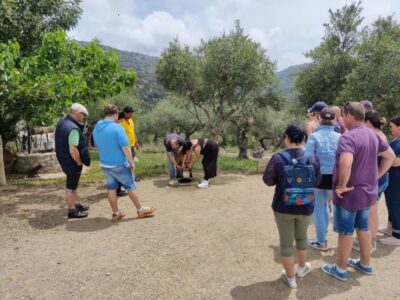
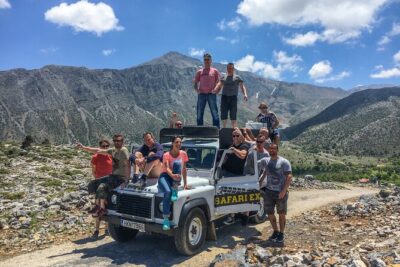
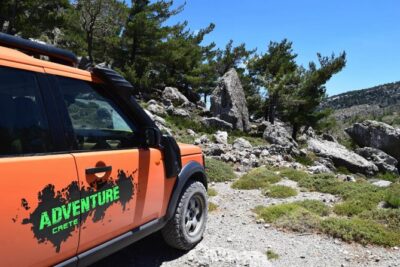
Lasithi Plateau and Cave of Zeus Off-Road Safari Tour
Read our review →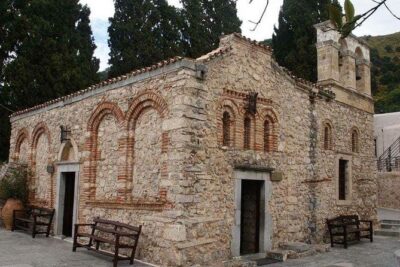
Zeus Cave -Old Traditional Villages-Olive Oil Factory
Read our review →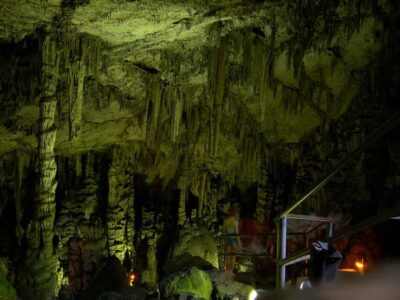
Zeus Cave, Lassithi Plateau, Olive Oil Factory, Kritza, Pottery
Read our review →
Knossos, Lasithi, Lasinthos and Olive Farm Combo Tour
Read our review →
Knossos & Lasithi Plateau: Zeus Cave,Villages, Olive Oil Tour
Read our review →
Zeus & Lassithi Plateau, OliveTasting, Kritza, Pottery
Read our review →Browse the lists this tour appears in