
Reviewed · OLIVE FARM TOURS
Kleanthi Olive Farm: Guided Tour with Local Delicacies Tasting
A visit to a Cretan olive farm hits a sweet spot. You get to see how olives become extra virgin olive oil, then you taste it with classic local bites, all in a tight 1 hour 15 minutes.
Two things I love about this experience are the clear, real-life explanations from friendly family guides like Mary and George, and the hands-on feel of the walk through the olive grove followed by a look at the equipment. You also get a food table, not just sips of oil. A possible drawback is timing: outside harvest months, the production line may not be operating, so the mill part can feel quieter than in peak season.
If you go in good weather and on-season if possible, this is a smart-value stop for olive oil fans and curious eaters.
Key Points You’ll Actually Care About
- Extra virgin oil plus a full local food tasting paired in a way that helps you learn what to notice
- Family guides and strong English from people like Mary, George, and hosts such as Yannis and Theodora
- Grove walk then equipment tour, with a demo-style explanation of how olives turn into oil
- On-site shop to buy bottles, with a no-pressure feel in the tasting room
- Off-season can be slower, since the production line may not run outside harvest
- Small, manageable group size with a max of 40 travelers
Olive Groves, Mill Machines, and a Table of Cretan Bites
Kleanthi Olive Farm is built around one idea, keep it simple and show you where your olive oil comes from. In Crete, that matters. Olive trees are everywhere, but not every farm explains the process in a way you can remember, and not every farm puts the oil into context with local foods.
I like that the pace stays human. You start with a guided walk through the groves, then shift into the mill side of the story, and end at a tasting table. It is not a long, slow museum visit. It is practical, and it helps you connect taste to method.
At around $25.34 per person for about 1 hour 15 minutes, the value is strongest if you plan to taste and buy a few bottles. If you only want the cheapest photo stop, you might feel it is too focused on learning and food.
More olive farms and mills near Crete:
- Crete: Quad Safari, Olive Mill with Tasting & Ghost Village
★ 4.9 · 1,004 reviews - From Chania: Olive Oil, Wine, Cheese & Honey Tasting Tour
★ 4.6 · 490 reviews - Crete: Road-trip to Lasithi Plateau & Olive Mill Farm
★ 4.4 · 420 reviews
Arriving at Kleanthi Olive Farm near Skalani, Greece
Your meeting point is Kleanthi Olive Farm, Skalani 715 00, Greece, and the tour ends back there. That loop is convenient, especially if you are doing this as a day trip from a nearby base.
The farm is near public transportation, which is good if you do not want to rely on a rental car the whole time. That said, Crete has real distances between towns, and you might still plan on a drive depending on where you are staying. One person mentioned driving about two hours from Plakias, which gives you an idea of how far this can be from your hotel.
Logistics are also pretty smooth because you get a mobile ticket, and confirmation comes at booking time. The group size caps at 40 travelers, so you usually get that small-group feel rather than a bus-load free-for-all.
The Grove Walk: olives on the tree, not just oil in a bottle
The tour starts outdoors, with a guided stroll through the olive groves. This is where the experience stops being abstract. You see the trees, you learn how cultivation works at ground level, and you start picking up the vocabulary that shows up again later at the mill and during tasting.
I especially like that the tour is family-run and often led by hosts such as George or Mary. The guides described in the experience data are friendly and give answers clearly in English, so you are not left guessing what you are seeing.
Expect the guide to connect farming choices to what you taste. That is the key. You are not just being told facts. You are being trained to notice things like the character of extra virgin olive oil, and how it changes the way food tastes.
A small consideration: if you are short on mobility, remember this part involves walking through groves. The tour does not promise wheelchairs or step-free routes, so if you have tight constraints, ask before you go.
Inside the Olive Mill: what happens after the harvest
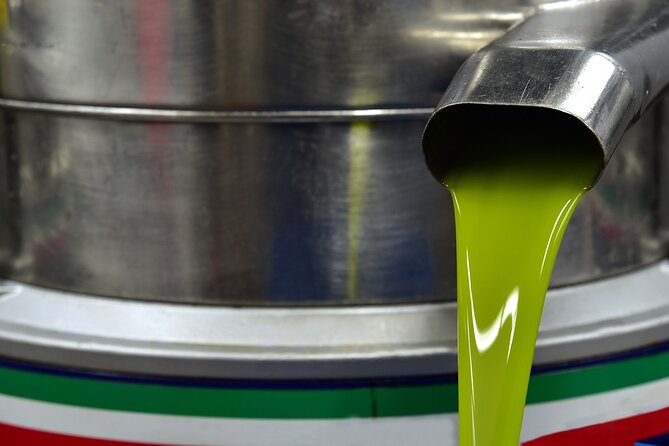
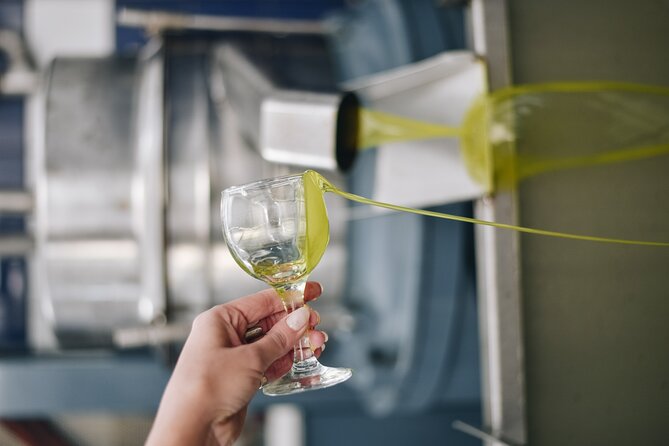
After the grove, the tour shifts to the production side. You will see equipment and get a walkthrough of how the harvested olives become olive oil. Some guides also show a short video, which helps connect what you just saw in the grove to what the machines do.
This part is where the questions start. People mention being able to tour the equipment and get clear explanations, and they also say the demo feels real, not staged. In fact, the experience description notes that the production line is not always running. Outside harvest, the focus shifts more toward history of olive cultivation, the groves, and tastings.
So here is your practical takeaway. If you visit during harvest time, you are more likely to see the mill in full activity, which makes the whole tour feel more dynamic. If you go off-season, you will still get learning and tastings, but you may not get that behind-the-scenes machine momentum.
That is also why reviews include one blunt note, go off-season and it can feel dull if you were hoping for full production. The staff response is straightforward, outside harvest the experience is more about cultivation and tasting, not live processing.
A few more Crete days worth comparing
- Chania: Old Town Highlights Guided Tour with Street Food
★ 4.9 · 407 reviews - From Chania: Wine and Olive Oil Tasting Tour with Snacks
★ 4.8 · 354 reviews - Crete: Full-Day Cretan Wines, Olive Oil, Raki and Food Tour
★ 5.0 · 264 reviews - Olive Oil Tasting Tour
★ 5.0 · 195 reviews
The Tasting Table: pairing olive oil with Cretan local foods
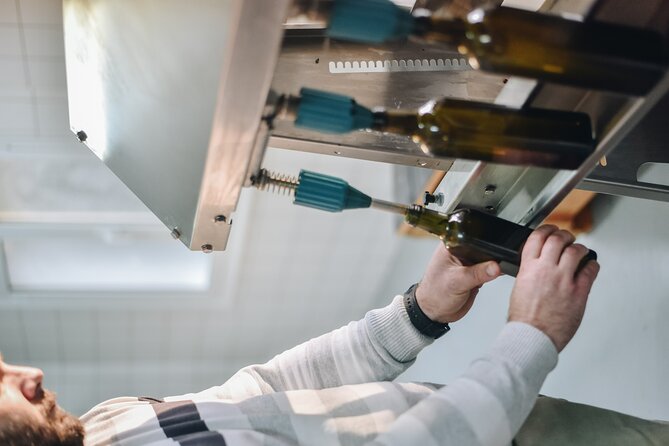
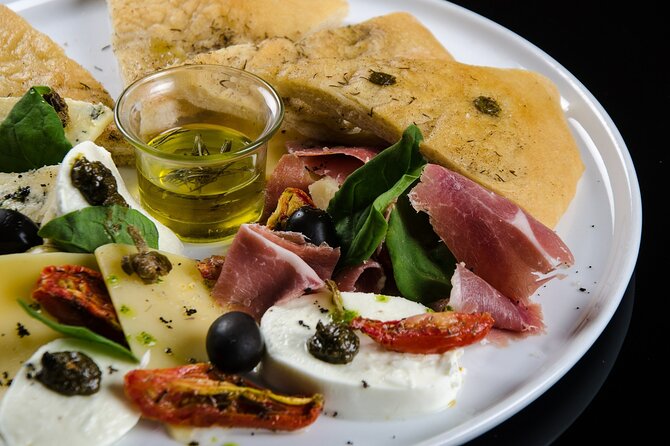
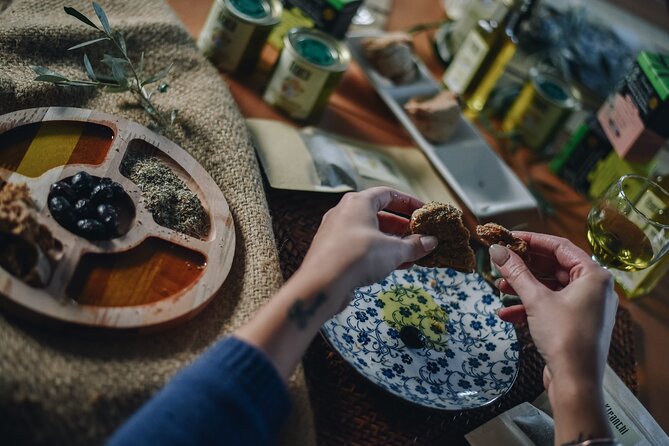
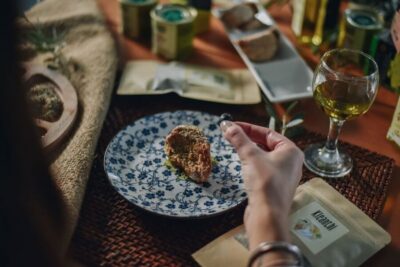
Then comes the part most people remember. You sit down and taste their extra virgin olive oils paired with local delicacies. This is not just one oil and a cracker.
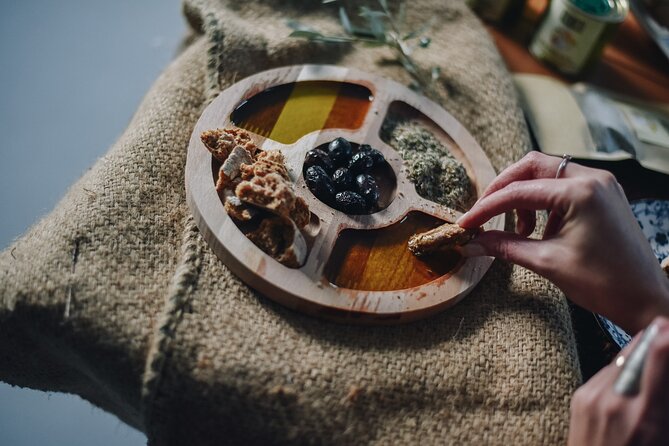
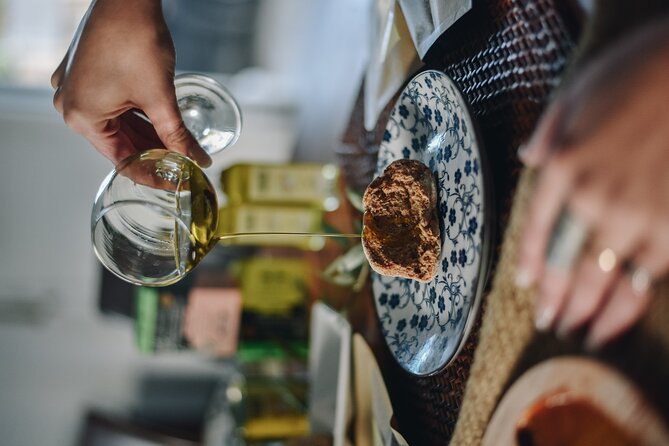
From the experience details, the tasting spread can include bread, cheeses, tomatoes, fruit, and items like yogurt, honey, and herbs. Other foods described include olives, smoked meat, plus sweets and syrups such as figs or grapes in syrup. You might also see olive oil poured with different add-ons, like oregano, thyme, honey, or syrup, which makes it easier to understand how flavors stack.
I like the structure here. The tour helps you build a mental link: tree to oil to how it behaves with food. Once you taste the oil against different bites, it becomes obvious why olive oil is not just a condiment in Crete. It is part of the whole eating culture.
A few details from the guide style stand out. Guides like Mary are described as having perfect English and a warm, caring way of leading. George is described as enthusiastic and very knowledgeable about olive growing and processing, plus the guides seem happy to share local recommendations beyond the farm. One of the nicer surprises is that the purchase side feels relaxed. People mention there is no hard sell.
If you are an olive oil lover, this tasting is the main event. If you are not, it is still the easiest way to learn what makes a good olive oil matter to your palate.
On-Site Shop: buying oil the smart way
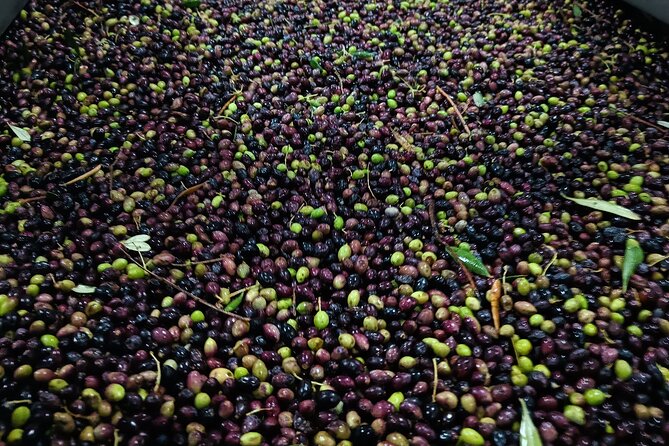
When the tour wraps up, you can visit the onsite store and buy bottles of Kleanthi olive oil. This matters because tasting is educational, but buying lets you keep learning at home.
Here is the practical way to shop without going overboard. Taste first, take notes in your phone while the flavors are fresh, and buy one or two bottles that match what you actually enjoyed. If you found yourself liking the oils most with bread and cheese, pick a bottle that behaved that way for you. If the herb-and-honey style pours stood out, grab something that you can recreate with meals.
One review also mentions buying honey along with olive oil. The data specifically says the store sells Kleanthi olive oil, but since some guests talked about honey purchases, you might find other Cretan products too. Just keep expectations grounded, the main focus is the farm’s olive oil.
Price, Time, and Why This Is Good Value
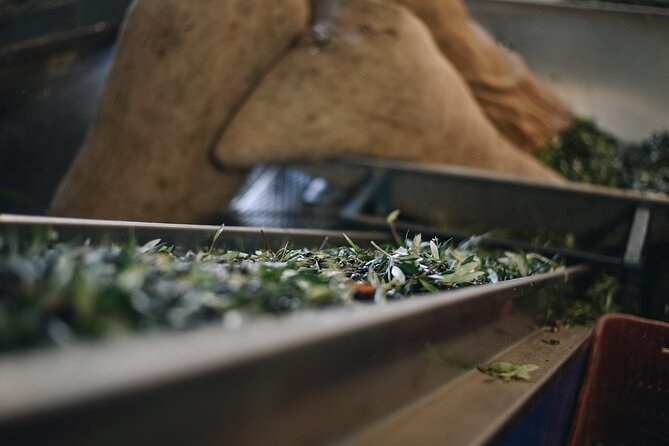
Let’s talk money in a real way. At $25.34 for roughly 1 hour 15 minutes, you are paying for three things: guided attention, a real tour of groves and equipment, and a tasting with multiple local items.
That is why the price feels fair. Many tours in tourist areas sell you a single story or a single view. Here, you get the full arc. You see the trees. You see the machinery concept. Then you eat and taste long enough to learn, not just sample one bite.
Also, it is relatively easy to fit into a travel day. The average booking window is 19 days in advance, which is a hint that it is a popular stop rather than a slow backwater. If you have firm dates, lock it in early and avoid the stress of last-minute availability.
Group discounts exist, and the mobile ticket makes it easy to travel light. For families, one person noted kids really enjoyed the process and the tasting. If you have kids who get bored at long indoor tours, the mix of walking and food can work well.
Who Should Book This Tour (and Who Might Skip It)
This is an excellent choice if you want an olive farm experience that does more than point. You enjoy learning in a practical way, and you like food pairing. If you are staying somewhere without easy farm access, this also gives you a structured, guided visit that you can not easily replicate on your own.
You might consider skipping or choosing a different style of tour if:
- You are visiting off-season and you specifically want live processing. The production line may not run, so the mill tour can be more about explanation than action.
- You dislike food tastings or have limited interest in tasting multiple items. The oil tasting and pairings are central to the experience.
- You are trying to maximize time for beaches or long sightseeing blocks only. This tour is about learning and eating, so it is not designed to replace a full-day cultural itinerary.
If you do book, I think it works especially well for couples, food lovers, and anyone who wants a memorable souvenir that is edible and useful.
Tips to Get the Most from Your Visit
A short plan can make this tour even better.
- Arrive with a curious mindset. Ask questions during the grove walk. That is where the guide can connect the farm work to what you later taste.
- Pace yourself at the tasting table. With multiple bites and multiple oils, you want your palate clear enough to notice differences.
- Bring home what you will actually use. Olive oil is not just for salads. In Crete it often becomes part of bread, tomatoes, cheese, and simple everyday meals, so match your purchase to how you cook.
- If you are traveling from farther away, double-check your timing so you do not feel rushed. One of the best things about this stop is how relaxed the tasting feels when you have time to slow down.
Should You Book Kleanthi Olive Farm Guided Tour with Local Delicacies Tasting?
If you like olive oil, you should book. The price is reasonable for a guided grove visit, a look at the equipment side, and a tasting table that actually teaches you what you are eating. The guide names mentioned in the experience data, like Mary and George, point to consistent warmth and clarity in English.
The main reason to hesitate is season. If you go off-season, expect a more cultivation-and-tasting focus, because the production line may not be operating. If you can align your visit with harvest, you are more likely to see the full mill energy.
Overall, this is a smart, satisfying Crete stop. You leave with knowledge you can use and olive oil you can keep tasting long after you’re back home.
FAQ
How long is the Kleanthi Olive Farm guided tour?
The tour runs for about 1 hour 15 minutes.
What is the price per person?
The price is $25.34 per person.
Is the tour offered in English?
Yes, the tour is offered in English.
What happens during the tasting?
You sample Kleanthi olive oils paired with local delicacies, including items like bread and cheeses, plus other Cretan foods.
Is the olive mill running during the tour year-round?
Outside harvest months, the production line may not be in operation. During harvest time, the mill can be in full activity so you can see the entire process live.
Is there a shop on site where I can buy olive oil?
Yes. After the tour and tasting, you can visit the onsite store to purchase Kleanthi Olive Oil.
How many people are in a group?
The tour has a maximum of 40 travelers.
Where is the meeting point?
The meeting point is Kleanthi Olive Farm, Skalani 715 00, Greece, and the tour ends back at the same place.
Is it canceled if weather is bad?
The experience requires good weather. If it’s canceled due to poor weather, you’ll be offered a different date or a full refund.
What is the cancellation window for a full refund?
You can cancel up to 24 hours in advance for a full refund.
Fresh options around Crete
- Semi Private Wine Tour of 2 wineries with Transfer and Lunch★ 4.0 · 15 reviews
- Private tasting of 6 cretan wines in Fres village, Chania★ 5.0 · 4 reviews
- Off-road Buggy Safari in Crete with a Guide★ 4.5 · 16 reviews
- Wine Tasting in Rethymno★ 5.0 · 21 reviews
- Cretan Delights – Wine, Olive Oil & Cooking Workshop from Chania★ 5.0 · 25 reviews
- LUXURY PRIVATE Wine Tasting in CRETE (also for CRUISE SHIPS)★ 5.0 · 7 reviews
- Heraklion Private Half-Day Wine Tasting Tour in Lyrarakis Winery★ 5.0 · 7 reviews
- 2-Hour Wine Tasting & Food pairing in Rethymno, Crete, Greece★ 5.0 · 11 reviews
Olive Farm Tours, compared.
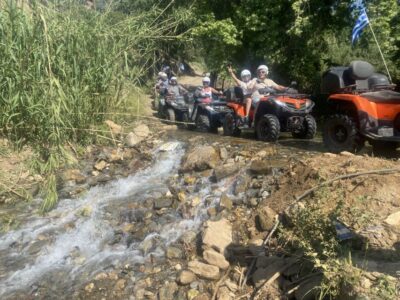
Quad Safari, Olive Mill with Tasting & Ghost Village
Read our review →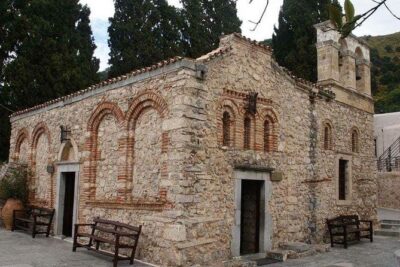
Zeus Cave -Old Traditional Villages-Olive Oil Factory
Read our review →
Olive Farm Tour with Tasting of Local Delicacies
Read our review →
Zeus Cave, Lassithi Plateau, Olive Oil Factory, Kritza, Pottery
Read our review →

Knossos, Lasithi, Lasinthos and Olive Farm Combo Tour
Read our review →Browse the lists this tour appears in