
Reviewed · SCUBA DIVING
Crete Introductory Scuba Diving Experience
Crete is a great place to try scuba because you can learn the basics and still end up in clear Mediterranean water fast. This half-day beginner-friendly course takes you through a simple theory session, hands-on training in a pool or shallow sea, then a guided underwater experience to 3 to 6m with a qualified instructor watching you the whole time. I like the way it sets expectations for first-timers, and I also love the instructor styles you can hear in the feedback, from Artur and Stan the PADI Pro to Sebastian and Pedros.
The main thing to consider is that conditions and the exact dive spot can change, so fish life and visibility are not guaranteed to be the same every day. Also, you need good swimming and excellent health, and the course runs for about 4 hours, even though return timing can stretch when wind or logistics shift.
Key things to know before you go
- Three-step format: theory, confined water training, then an open-water session to 3 to 6m
- Instructor stays close the entire time with direct supervision
- Equipment is included, so you just focus on learning
- Small-group feel with a maximum of 20 travelers
- Flexible location choice: Heraklion, Chania, or Rethymno-Georgioupolis area options
- Go-no-go is possible after the first practice, if you truly don’t feel ready
Why this half-day intro course works for first-timers in Crete
If you have ever watched people breathing underwater and thought, I want to try that, this is the kind of plan that makes it realistic. The course is built to shrink the learning curve. You start with the basics, then you practice in controlled water before you ever move into the open-water part.
What makes it especially good value is that you are not paying for a “look and hope” experience. You are paying for a full structure: equipment, theory, a confined-water training session, and a guided open-water outing with a certified instructor. Your confidence grows step-by-step, not all at once.
One more thing I appreciate: the feedback points to instructors who stay calm and patient. People specifically name instructors like Artur, Sebastian, Pedros, and Stan the PADI Pro, and the common theme is clarity plus reassurance. That matters on your first day, because scuba is as much about comfort and control as it is about seeing fish.
More dive trips in Crete:
- Heraklion: Scuba Diving Experience for Beginners _Beach
★ 4.7 · 549 reviews - Heraklion: Beginner Scuba Diving Lesson with PADI Instructor
★ 4.9 · 355 reviews - Heraklion: Scuba Diving Experience for First-Timers
★ 4.8 · 203 reviews
Pickup, timing, and group size, what to expect from the day flow
The start time is 9:00am, and the course is listed at about 4 hours. Pickup is offered from hotels in the Chersonissos area, the Chania area, or the Rethymnon and Georgioupolis area. The catch is that the tour notes say hotel pickup and drop-off is not included, while other details and real-world experience suggest it often happens. My advice: confirm pickup and return timing during booking, especially if you are trying to lock in the rest of your day.
Group size is capped at 20 travelers, which helps keep the lesson manageable. In practice, first-timers tend to benefit from low chaos and a steady instructor-to-student ratio. One past experience described a very small group, with just two people and one instructor, which is exactly the kind of setup that makes early learning easier.
Timing can also shift. If wind makes the original underwater site unsuitable, they may adjust the plan rather than cancel your day. The upside is you still get your experience. The downside is you might wait longer for the return ride than you expected. If you have dinner reservations or a long afternoon plan, build in cushion.
Theory session: learning the rules without feeling overwhelmed
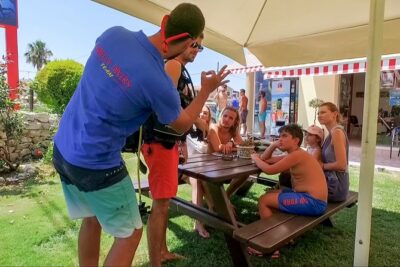
The morning starts with a theory class, in English. The course is designed for people ages 10 to 60, and it does not require previous scuba experience. Still, you do need good swimming and excellent health conditions. That is not just paperwork. It helps you relax during training, which then helps you learn faster.
In the theory portion, you are essentially getting a map of what will happen next. You learn how the gear works, how to control your breathing and buoyancy, and what the instructor expects during the confined-water practice. The goal is not memorizing underwater vocabulary. It is understanding enough to feel safe and able to follow directions.
From the feedback, the best instructors use patience and clear instruction, especially for first-time learners. One person praised an instructor’s professional, calm approach. Another described strong confidence-building after the pool session. That lines up with what you want from the theory part: a calm start that sets you up to succeed in the water.
Confined water training in a pool or shallow sea
Next comes the part where learning becomes real. This is where you practice in confined water, either in a pool or a shallow sea area. The training is the bridge between classroom rules and real open-water conditions.
You will likely handle basic skills and get comfortable with breathing through the regulator, clearing or equalizing as needed, and moving in a controlled way. You also get a feel for buoyancy, which is often the biggest mental hurdle for new scuba students.
Here is a practical reason this step matters: if you are not relaxed in training water, you will struggle in open water. This is also why instructors are so close during the entire course. The program states that the instructor is always with the students, and direct supervision is obligatory.
One detail I really like from real experiences: if you do not feel comfortable after the pool session, you can make the decision not to continue into the ocean part. In that case, you still get a memorable learning experience and a clear understanding of what you need next time. That is better than forcing it and being scared.
Same stretch of Crete, a different kind of day:
- Crete: Day Trip to Agios Nikolaos and Spinalonga Island
★ 4.6 · 4,416 reviews - Agios Nikolaos: Boat Trip to Spinalonga with Swim Stop
★ 4.4 · 3,031 reviews - Crete: Knossos Palace Entry Ticket with Optional Audio Guide
★ 3.9 · 2,251 reviews - From Chania: Day Trip to Elafonisi Island Pink Sand Beach
★ 4.5 · 2,014 reviews
The open-water underwater experience to 3 to 6m
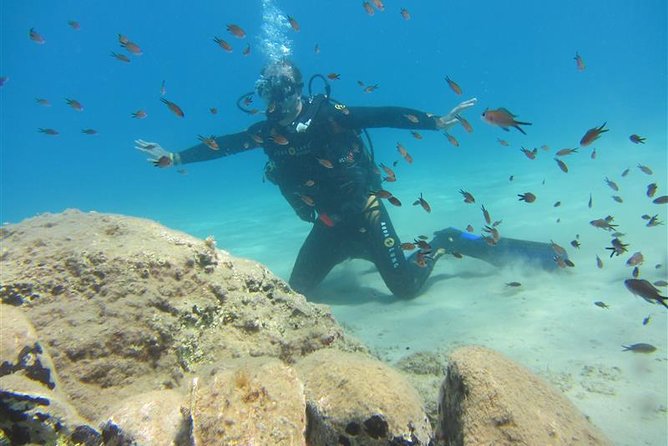
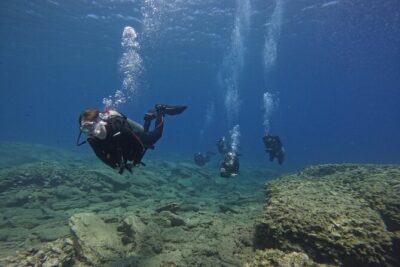
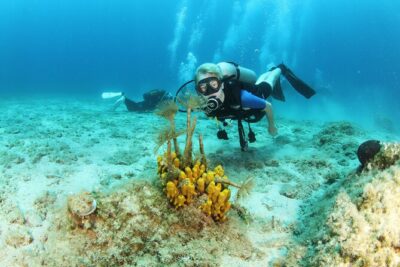
After confined practice, you move into the open-water session at a depth of 3 to 6m. This is a smart range for beginners. It is deep enough to feel like you are truly underwater, not just “in a pool.” But it is still shallow enough that the instructor can guide you easily and you are not overwhelmed by time or space.
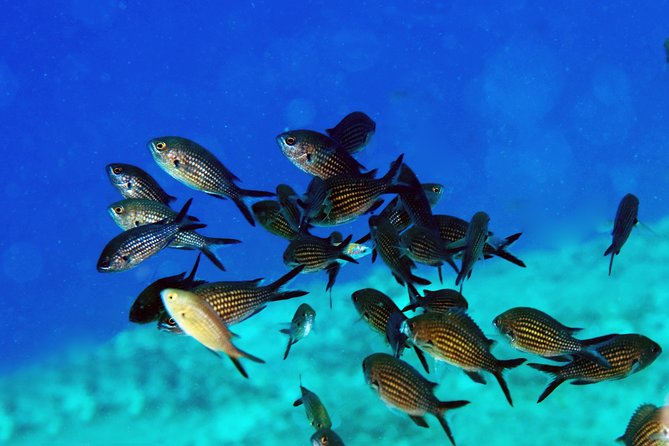
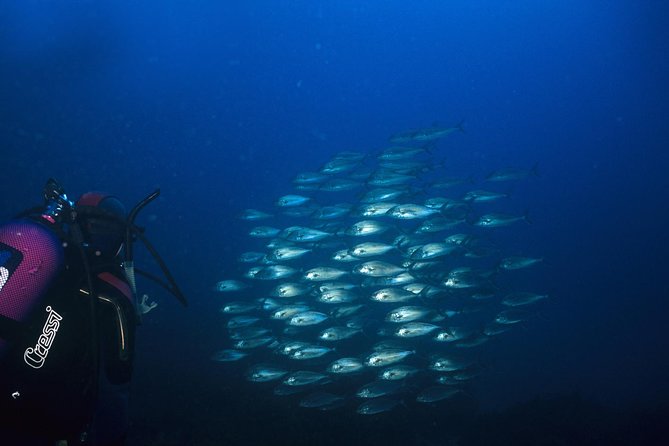
What you see can vary. Some experiences were described as clear water with lots of lovely fish. Others noted fewer tropical-style fish and said they mostly saw a few types, plus occasional underwater life like a small octopus. That variation is normal, and it is exactly why I think this course is a good first step even when the animal count is modest. You are learning the mechanics, not collecting a guaranteed wildlife checklist.
You should also expect the instructor to stay involved the entire time. That direct guidance is the difference between “trying scuba” and actually learning it with confidence.
There is also a comfort factor to consider. If you get cold quickly, feel panicky, or have trouble with basic buoyancy control even at shallow depth, you are not doing anything wrong, but you may want more practice before pushing into deeper water. This course gives you an entry point, not a lifetime certification.
Choosing the Heraklion, Chania, or Rethymno-Georgioupolis area
One nice feature is that you can choose the general area, either near Heraklion, Chania, or the Rethymno-Georgioupolis region. That helps you match the course with where you are staying and reduces your travel time.
From a planning standpoint, I recommend picking based on convenience and the kind of day you want. A shorter ride generally means more energy for the theory and training. Also, being in the right spot matters when wind forces them to change the underwater site. If you are already nearby, a change is less stressful.
If you are doing this as your first scuba experience on Crete, I would prioritize smooth logistics and a relaxed morning. You do not want to fight traffic or rush to the 9:00am start while also trying to focus on breathing and gear handling.
Equipment and instructor support: what you are really paying for
The price includes diving equipment, plus the theory and confined water training session, plus the guided open-water experience. That matters because it removes a common friction point for first-timers. You do not need to rent gear separately, and you get it fitted and explained as part of your lesson.
The most valuable part is the human support. The course states the instructor is always with you and direct supervision is obligatory. That aligns with the feedback patterns: people described instructors who were patient, professional, and focused on building confidence.
You will see names repeated in the feedback, including Artur, Stan the PADI Pro, Sebastian, and Pedros. While you cannot pick your instructor in every case, the strong theme is that they teach in a way that reduces fear and builds step-by-step competence.
One small humorous note from an experience: one instructor used playful humor to encourage the moment, even to the point of joking about a couple of chickens joining the lesson. It sounds silly, but the point is serious: a relaxed atmosphere helps first-time students stay calm.
Price in perspective: does about $96 buy real value?
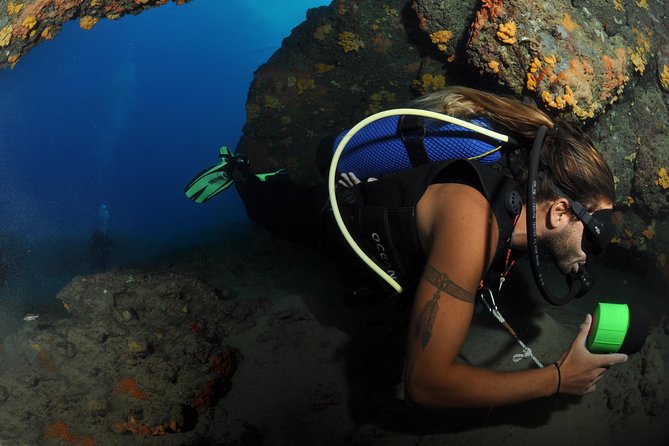
At $96.13 per person for a half-day course, the value is strongest if you like structured learning. You are not just paying for a short underwater look. You are paying for the full progression: theory, equipment, a practice session in controlled water, and then supervised open-water time to 3 to 6m.
For first-timers, this tends to be cost-effective compared to piecing together separate rentals, lessons, and uncertain guidance. Also, the maximum group size and the constant supervision mean you are more likely to get hands-on attention.
Still, it is not magic. Weather matters, and the underwater spot may change. If you go in expecting a perfect wildlife show, you may be disappointed. If you go in focused on learning and having a safe first scuba experience, it feels like good money.
If you are on a tight schedule, that about 4-hour window is also a plus. Just remember the earlier note that return time can shift if conditions affect the underwater plan.
Who this is best for, and who might rethink it
This course fits people who want to try scuba without needing previous experience. It is also age-inclusive for ages 10 to 60.
You should seriously consider whether you meet the physical requirements before booking. The course specifically says good swimming and excellent health conditions are absolutely necessary. It also says you should have a moderate physical fitness level. If you are unsure, asking your doctor or doing a comfort check with swimming beforehand is the smartest move.
This is especially good if you want confidence. The program is built to help you feel more in control by the end of the pool session, and many first-timers come away feeling like they understood the basics better than they expected.
You might rethink it if you hate the idea of being underwater while wearing unfamiliar gear, or if you get anxious quickly. In that case, consider doing snorkel-first on another day, then come back when you know how you feel about being in the water.
What to pack so you feel human by the end
The tour includes equipment, so you mainly need comfort and basics. You will be in the morning, so bring sun protection, and plan for wetness. Even with calm water, you will likely end up damp and salty.
A practical packing list:
- Swimsuit or swimwear you can tolerate getting wet
- Towel and a dry change of clothes for after
- Sunscreen, hat, and water-friendly sunglasses
- Light sandals or water shoes for getting around
- Your phone, ideally with a protective case, plus cashless payment backup if you use it locally
Because pickup timing can vary if wind forces an underwater site change, having snacks and water on hand for the wait can save your mood, especially if you end up with a longer-than-expected return gap.
FAQ
Where are the pickup areas for this course?
Pickup is offered from hotels in the Chersonissos area, the Chania area, or the Rethymnon and Georgioupolis area.
What time does the experience start?
The start time is 9:00am.
How long does the introductory scuba experience take?
It is listed as about 4 hours.
Do I need any previous scuba experience?
No previous diving or scuba experience is required.
What age range is this course for?
It is described as for everyone age 10 to 60. Children must be accompanied by an adult.
How deep is the open-water session?
The open-water experience is to 3 to 6m depth.
What is included in the price?
It includes diving equipment, a theory class, confined water training, and a guided open-water dive with a certified instructor.
Is the course only in one location on Crete?
You can choose the area, with options in the Heraklion, Chania, or Rethymno-Georgioupolis area.
What happens if weather is bad?
This experience requires good weather. If it is canceled due to poor weather, you will be offered a different date or a full refund.
Can I cancel for a refund?
Yes, you can cancel for free up to 24 hours in advance for a full refund.
Should you book this Crete scuba starter session?
Book it if you want a structured beginner experience with hands-on practice and constant instructor supervision. The three-step format, equipment included, and small-group setup make it a smart way to test scuba comfort without taking on too much risk or complexity.
Skip it or reconsider if you cannot meet the requirements for good swimming and excellent health, or if you tend to panic in unfamiliar gear situations. And plan your day with buffer time, because wind can lead to a location change and a longer return wait than you expect.
If you do book, show up rested, tell your instructor if anything feels off, and treat the pool or shallow water training as the real make-or-break moment. That is where confidence is built.
Fresh options around Crete
- Semi Private Wine Tour of 2 wineries with Transfer and Lunch★ 4.0 · 15 reviews
- Private tasting of 6 cretan wines in Fres village, Chania★ 5.0 · 4 reviews
- Off-road Buggy Safari in Crete with a Guide★ 4.5 · 16 reviews
- Wine Tasting in Rethymno★ 5.0 · 21 reviews
- Cretan Delights – Wine, Olive Oil & Cooking Workshop from Chania★ 5.0 · 25 reviews
- LUXURY PRIVATE Wine Tasting in CRETE (also for CRUISE SHIPS)★ 5.0 · 7 reviews
- Heraklion Private Half-Day Wine Tasting Tour in Lyrarakis Winery★ 5.0 · 7 reviews
- 2-Hour Wine Tasting & Food pairing in Rethymno, Crete, Greece★ 5.0 · 11 reviews
Scuba Diving, compared.
Beginner Scuba Diving Lesson with PADI Instructor
Read our review →
Chania: Snorkeling & Scuba Dive for Beginners by Boat
Read our review →
Browse the lists this tour appears in