
Reviewed · COOKING CLASSES
Cooking Lesson in Heraclion
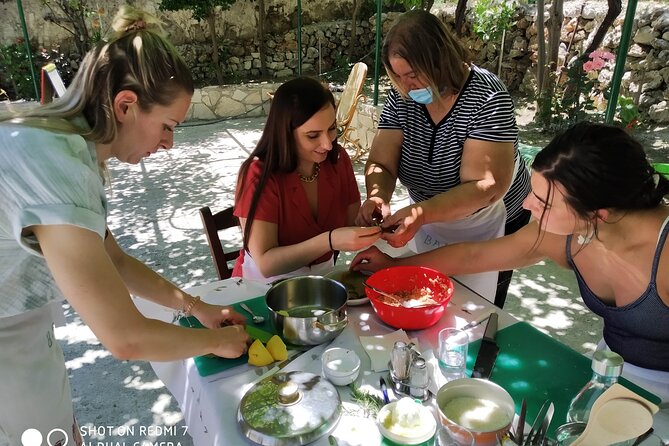
This cooking lesson in Krousonas is interesting because it is not just a class, it is a small day on a family farm that ends with the food you helped make, eaten on a veranda with a view. I especially like that you pick what you cook (including vegan choices), and I also like the hands-on rhythm, farm visit first, orchard harvest next, then real cooking.
One thing to consider is that it is outdoors for portions of the day, so wear shoes you can stand in and plan for farm-ground and gentle walking.
Key highlights you’ll actually care about
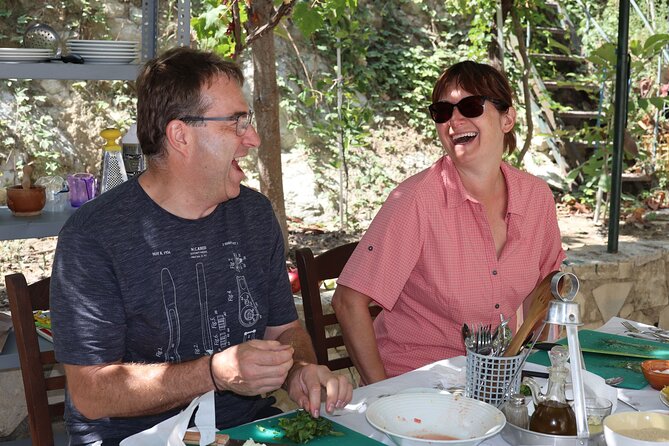
- Small group (max 8), so you get real guidance while you cook
- Pick your menu, with vegan and non-vegan options
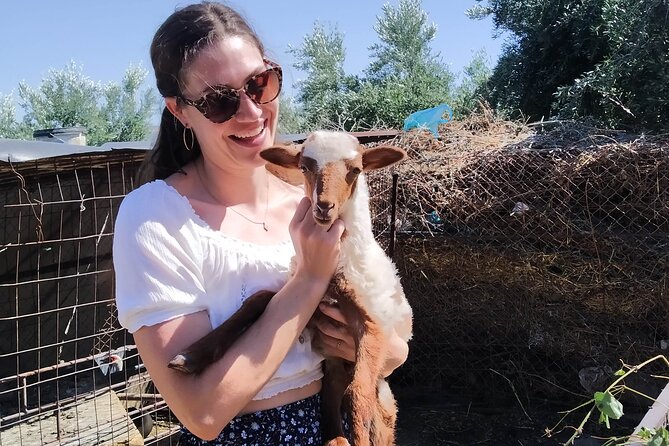
- Farm time included, with goats and sheep, and sometimes milking in summer
- Orchard harvest, where you gather seasonal organic vegetables and learn what you’re cutting
- Cretan cooking under grapevines, then you eat your meal on the veranda
- Recipes to take home, so you can recreate dishes later
Why This Cretan Cooking Lesson Feels Like Real Life
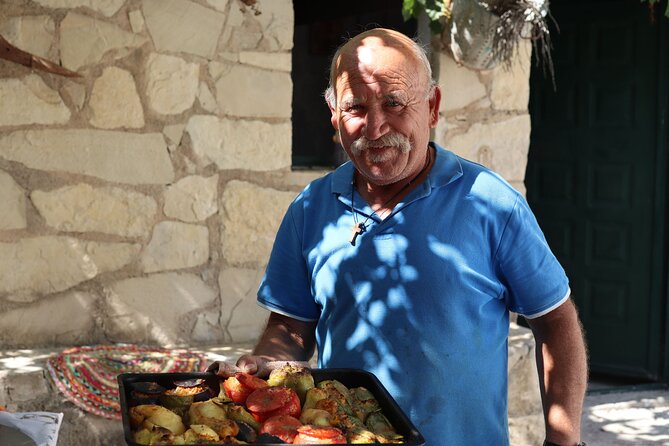
A lot of cooking classes teach you recipes. This one teaches you the whole context, how food connects to animals, seasons, and the specific flavors of Crete.
You start in the countryside village of Krousonas, just outside Heraklion. The hosts run it like a family activity, which is why you will feel the day move at a human pace. Even the menu choices feel personal, you are not stuck with a single “tour group version” of Greek food. You choose what you want to make, and the class builds around that.
And yes, it is family-friendly in a practical way, not just in marketing. The process naturally includes jobs and moments that work for kids (feeding animals, harvesting herbs or produce, simple cooking steps) and that still satisfy adults who want technique and explanations.
More Cretan cooking classes in Crete:
- Chania: Authentic Cooking Class in the White Mountains
★ 4.9 · 529 reviews - The Real Cretan Cooking Experience
★ 5.0 · 528 reviews - Chania Cooking Class-The Authentic Enjoy traditional Cretan meal
★ 5.0 · 339 reviews
The 4-Hour Flow, From Cretan Snacks to Veranda Dinner
The program runs about 4 hours, and it follows a clear order that keeps the day from dragging.
First, you are welcomed with Cretan delights and refreshments. This matters more than it sounds, because it sets the tone. You are not thrown into chopping right away. You get a taste of the place, then you talk through what you will cook.
Next comes the menu decision. The class offers seasonal options, including vegan choices. Once you pick, the day splits into two connected tracks: farm and orchard, then cooking and eating.
After you gather ingredients, you cook. You learn what makes Cretan cuisine what it is, from techniques to ingredient logic. When the meal is ready, you relax and eat on the veranda, with the view and the grapevine shade doing part of the work for you.
The “ends back at the meeting point” detail is helpful, because you do not spend your day on a complicated route. It is built like one compact experience.
Choosing Your Menu: Vegan Options and Real Cretan Comfort Food
What makes this class especially good value is that you are not just following steps. You are deciding what happens next.
The sample menu reads like a best-of Crete practical list, the kind of food people actually serve at home:
- Zucchini balls, including fried traditional zucchini balls
- Tzatziki sauce, the classic Cretan style
- Fried snails with rosemary and vinegar, for the brave and curious
- Greek giouvetsi, slow-cooked lamb with pasta and tomato sauce
- Cretan gamopilafo, pilaf with boiled goat or lamb and rice
- Gemista and ntolmadakia, stuffed vegetables with rice and herbs
Desserts also follow the local logic. Expect choices like loukoumades with honey, rice pudding with mastiha and cinnamon (sometimes made with goat milk), and must pudding, described as especially tied to summer in Crete. In one described favorite, there were cheese pies as a dessert highlight too.
If you choose vegan, you still get a structured meal. The key point for your planning is that the host discusses options before you pick, so you can match the day to your diet and curiosity level instead of hoping a dish works for you.
Farm Visit in Krousonas: Goats, Sheep, and Hercules the Donkey
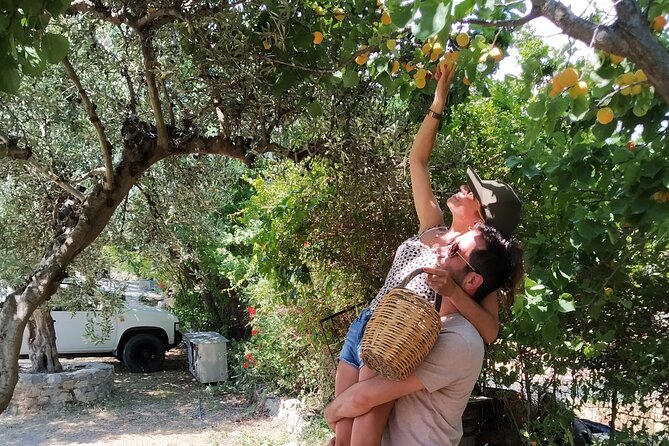
The farm portion is one of the most praised parts because it is not staged. You feed the animals, and you see daily life close up.
Expect goats and sheep. In summer, you might even be able to milk goats, which is the kind of detail that makes this feel like an actual farm interaction rather than a quick photo stop. You may also see other animals mentioned, including chickens (with fresh eggs in at least one account), and sometimes cats and geese as part of the property’s animal routine. The donkey shows up in a memorable way, often named Hercules (or Heracles in spelling variants), and he becomes a fun character in the day.
Here is why this farm time matters. It changes the cooking. When you have just fed the animals and understood the source of ingredients, the meal lands differently. It is harder to treat the food like entertainment. You start treating it like food with a story.
Practical tip: wear comfortable clothes and shoes. Farm ground and uneven spots are part of the experience, and the hosts clearly expect you to move around.
A few more Crete days worth comparing
- Heraklion: Beginner Scuba Diving Lesson with PADI Instructor
★ 4.9 · 355 reviews - Cretan Cooking Class and Olive Oil Tasting
★ 5.0 · 178 reviews - Moires: Cooking Class and Olive Oil Tasting at a Family Farm
★ 5.0 · 93 reviews - Crete: Sightseeing Day Trip with Cooking Lesson and Lunch
★ 4.8 · 77 reviews
Orchard Harvest: Cutting Seasonal Produce and Learning as You Go
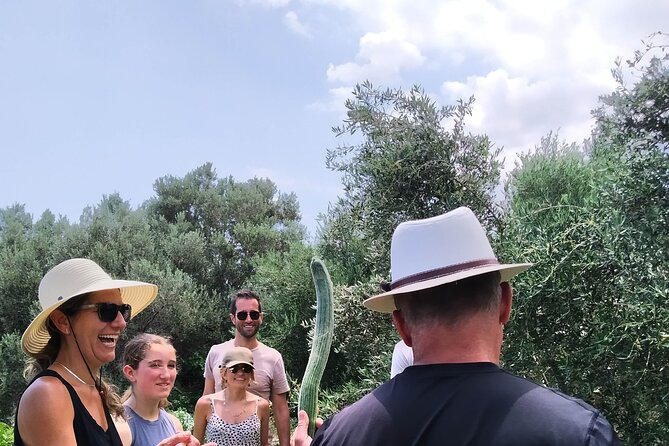
After the farm time, you shift to the orchard. This is where the class feels most like farm-to-table in a real, physical way.
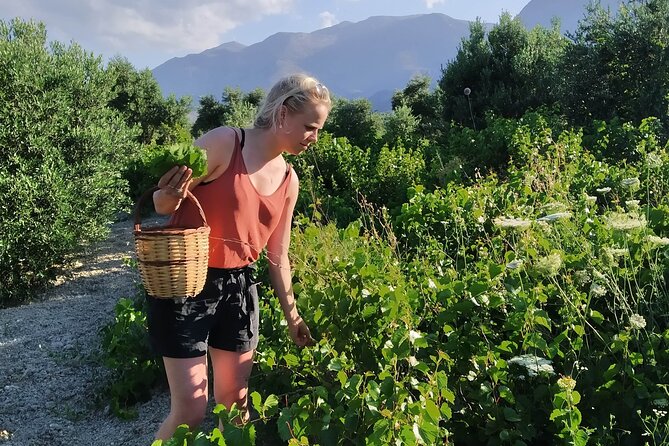
You gather organic vegetables from their orchard. You also get time to explore nature briefly, breathe fresh air, and learn information about the plants you will cook with. Then you get hands-on, cutting fresh vegetables and fruit. Cooking starts long before the stove turns on.
This is also where you can get the most out of your camera and your appetite. Harvesting vegetables is a simple, satisfying task, and it makes the later cooking steps feel like continuation, not a separate activity.
The menu is seasonal. That means what you harvest and cook can differ by when you go. If cheese production happens in that season, you may also taste and watch cheese-related preparation. Consider this your built-in surprise feature, something you cannot replicate at home with the same freshness.
Cooking the Meal: Step-by-Step Guidance You Can Repeat
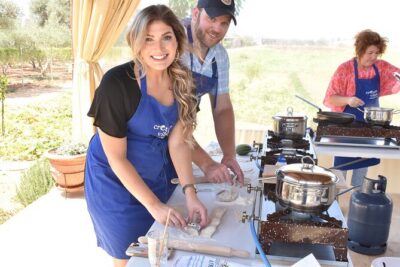
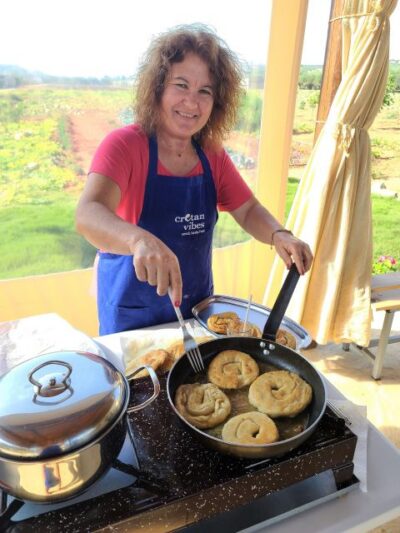
When cooking begins, you choose what you will cook, then you work through it with the family host. In multiple accounts, Sevi is named as the main teacher and organizer, and people specifically point out her warmth and ability to explain clearly.
The course structure seems to follow a comfortable pace. One highlight is that you are not rushed, and the time spent cooking feels “just right” for the group size.
What you are likely to learn:
- How to build a Greek meal around sauces and staples like tzatziki
- How slow-cooked dishes like giouvetsi are assembled, not just cooked
- How stuffed vegetables such as gemista and ntolmadakia fit into the menu flow
- How desserts are timed so you do not end up waiting too long
A consistent theme from the experience feedback is that the instructions are easy enough to follow, even for first-time cooks, and structured enough that you leave with confidence. On top of that, you receive recipes, so you can recreate the dishes later.
If you care about doing this at home, this is a big deal. Many “food experiences” end with eating. This one gives you a real blueprint.
Food, Wine, and the View: The Part Everyone Talks About
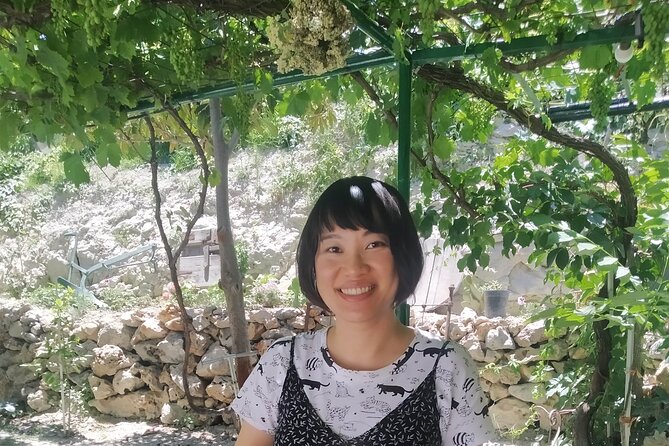
The ending is where all the effort pays off. You eat what you cooked, relaxed on the veranda.
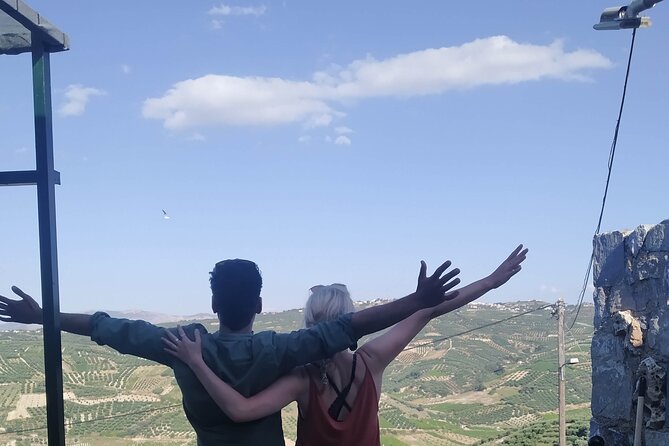
The view is repeatedly described as spectacular and peaceful. You are eating in a place that feels like Greek Tuscany, with vineyards and olive trees mentioned. Even if you are not obsessed with scenery, this kind of setting makes a meal feel slower and more memorable.
Food quality is another strong point. People highlight that everything is homemade or harvested from the farm and vegetable garden. Wine is also mentioned as delicious and part of the experience, which adds to the sense of “dinner at a family place” rather than a workshop meal.
Practical note: you should expect a full meal experience. You will leave fed, not just lightly sampled.
Price and Value: What You’re Really Paying For
At $114.13 per person for about 4 hours, this is not the cheapest cooking class in the world. But it is also not priced like a distant, generic tourist workshop.
You are paying for several things at once:
- A small group limit of max 8, which supports hands-on teaching
- More than cooking, you get farm feeding and orchard harvest time
- Seasonal, locally sourced ingredients
- A full meal, eaten with the family, not just a tasting
- Recipes you can use later
Also, it is booked on average about 40 days in advance, so demand seems steady. If you are flexible with dates, you may still find openings, but I would not wait until the last minute if Heraklion is a priority stop.
Bottom line: if you want a day that includes animals, fresh produce, and the ability to cook Cretan dishes at home afterward, the price makes sense.
Who This Is Best For, and Who Might Want Something Different
This works best if you like hands-on travel. It is a good fit for:
- Families, because the day is active and kids can participate in age-friendly tasks
- Food lovers who want more than recipes, they want how the ingredients connect
- Anyone who wants a calmer, countryside alternative to a busy city food tour
It might be less ideal if you want a purely indoor, kitchen-only experience with zero farm elements. Some time is outdoors, and the day includes movement on a farm property.
If you are traveling with mixed ages, this format is a strong match. Accounts mention enjoyment across a wide age range, from children to older adults, largely because the host helps everyone find a role.
Tips to Make Your Day Go Smoothly
A few practical points will make the experience better from the start:
- Wear comfortable shoes and clothes you can get a bit dirty
- Plan for outdoor time under grapevines and around farm areas
- Bring a light layer, farm weather can shift quickly
- If you have dietary needs, select your vegan or non-vegan option during the menu discussion
Also, if you want the most value, ask for recipe notes as you go. The class seems set up to support that, and people specifically mention receiving recipes.
Should You Book This Krousonas Cooking Lesson Near Heraklion?
Book it if you want a family-run, farm-to-plate Cretan day that ends with real cooking skills and a meal you helped create. The combination of menu choice, orchard harvesting, animal time, and step-by-step cooking guidance is what separates this from standard “watch and eat” classes.
Skip it if you only want a quick tasting or you dislike any outdoor farm component. But if you are excited by goats, fresh produce, and learning Cretan dishes like giouvetsi, gamopilafo, tzatziki, and loukoumades in a small group, this is one of the most sensible food experiences to add to your Heraklion trip.
FAQ
How long is the cooking lesson?
The experience lasts about 4 hours.
Where does it take place?
It takes place in Krousonas, Crete, Greece. The meeting point is listed as 8G766XXX+29C6XXX+29C Krousonas, Greece, and the activity ends back at the meeting point.
How much does it cost?
The price is $114.13 per person.
Is the lesson offered in English?
Yes, it is offered in English.
Can I choose what I cook, and are vegan options available?
You discuss the menu and choose what you want to cook. Vegan or non-vegan seasonal options are available.
What happens during the farm visit?
You will visit the farm, feed the goats and sheep, and in summer you might also be able to milk goats.
Is it suitable for families?
Yes. It is described as super family friendly, and the setting allows participation for different ages.
How big is the group?
The maximum group size is 8 travelers.
What is the cancellation policy?
Cancellation is free. You can cancel up to 24 hours in advance for a full refund.
Fresh options around Crete
- Semi Private Wine Tour of 2 wineries with Transfer and Lunch★ 4.0 · 15 reviews
- Private tasting of 6 cretan wines in Fres village, Chania★ 5.0 · 4 reviews
- Off-road Buggy Safari in Crete with a Guide★ 4.5 · 16 reviews
- Cretan Delights – Wine, Olive Oil & Cooking Workshop from Chania★ 5.0 · 25 reviews
- Wine Tasting in Rethymno★ 5.0 · 21 reviews
- LUXURY PRIVATE Wine Tasting in CRETE (also for CRUISE SHIPS)★ 5.0 · 7 reviews
- Heraklion Private Half-Day Wine Tasting Tour in Lyrarakis Winery★ 5.0 · 7 reviews
- 2-Hour Wine Tasting & Food pairing in Rethymno, Crete, Greece★ 5.0 · 11 reviews
Cooking Classes, compared.
Authentic Cooking Class in the White Mountains
Read our review →
Chania Cooking Class-The Authentic Enjoy traditional Cretan meal
Read our review →
Cooking Class and Olive Oil Tasting at a Family Farm
Read our review →
Sightseeing Day Trip with Cooking Lesson and Lunch
Read our review →
Browse the lists this tour appears in