
Reviewed · COOKING CLASSES
Chrysoula’s Traditional Cretan Home Cooking
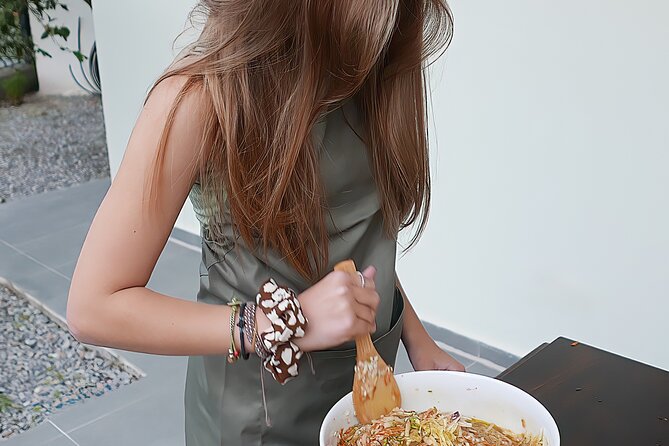
Crete has plenty of big tours. This one is different because it happens at Chrysoula’s traditional home, where you learn by doing, then you sit down and share the meal you made.
I love the small group size (max 12), because it keeps things personal and you actually get time at the counter. I also love how the class feels like real Greek hospitality, with a relaxed, family-style flow that runs on laughs as much as on olive oil.
One thing to consider: it runs for about 3.5 hours and it depends on good weather, so plan for a morning that is more “hang out and cook” than “quick check-the-box sightseeing.”
Key highlights to look for
- Chrysoula and Dee guide you at home, with hands-on help instead of a lecture
- A multi-course Cretan meal gets you from starter to dessert, then you eat it together
- Local ingredients are used, including items grown on the property or from family sources nearby
- Recipes are sent after the class, so you can recreate it later without guessing measurements
- Flexible for dietary needs, including a vegetarian option made separately when requested
- Warm group energy, with plenty of laughter and even raki making an appearance
Where a Traditional Cretan Meal Starts: Arkadi Home Cooking with Chrysoula
If you want the kind of Crete that lives in kitchens and family tables, this is a very solid choice. The setting is a private home in the Arkadi area, and you’re not just watching cooking, you’re cooking with the people who know it best. You’ll meet at a specific plus-code location near Arkadi, then the morning unfolds from there into a real hands-on Cretan food lesson.
Chrysoula runs the show, and her helper Dee is part of the rhythm of the class. From what you can expect, this is not stiff or staged. The vibe is casual and welcoming, the kind where someone offers a quick taste while you’re working, and you end up chatting more than you planned.
What makes it special is that Cretan cooking is not treated like a museum exhibit. It’s treated like daily life, with techniques you can actually use back home. Even if you’ve cooked before, you’ll likely pick up new habits around seasoning, timing, and building flavor in stages.
The group stays small, with up to 12 people. That matters because a cooking class can feel chaotic in a big crowd. Here, you’re more likely to be doing something yourself, not just waiting for a turn.
More Cretan cooking classes in Crete:
- Chania: Authentic Cooking Class in the White Mountains
★ 4.9 · 529 reviews - The Real Cretan Cooking Experience
★ 5.0 · 528 reviews - Chania Cooking Class-The Authentic Enjoy traditional Cretan meal
★ 5.0 · 339 reviews
The 10:00 am Flow: What You’ll Do During the 3.5 Hours
This is scheduled as a morning session that starts at 10:00 am and runs about 3 hours 30 minutes. You’ll begin at the meeting point near Arkadi, and the experience ends back there. That means you can plan the rest of your day without chasing a complicated route.
The class follows a clear arc: welcome, prep work, cooking multiple dishes, then sitting down to eat. In a home setting, that “prep then cook then feast” pattern feels natural. You’re not rushing between attractions. You’re working through the same ingredients in the way Cretans do at home.
Most of the action is hands-on. You’ll be responsible for parts of the preparation, with Chrysoula giving direction and checking that you’re getting things right. She also tends to explain what each dish is trying to achieve, so it’s not just steps, it’s meaning.
Timing-wise, plan on a full-food morning. By the end, you’ll have eaten a multi-course meal and also made dessert. Come hungry, and bring a mindset that this is about learning through doing.
Getting Oriented with Dakos and Starter Skills
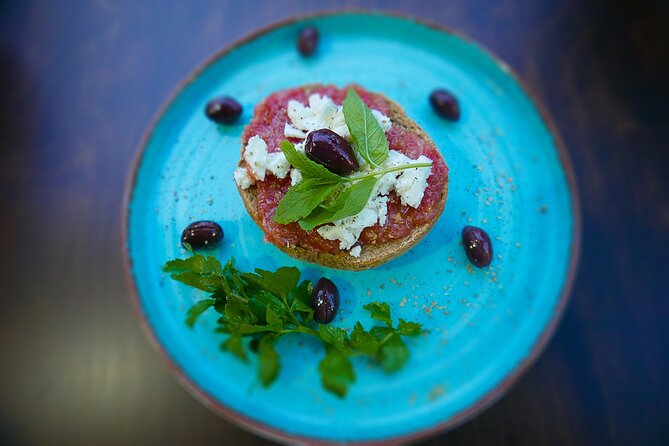
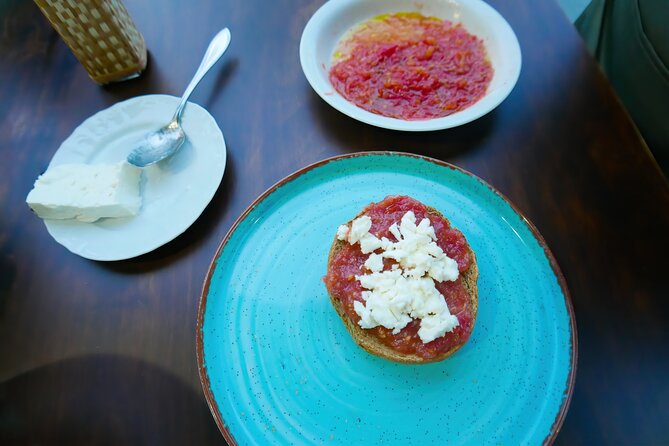
The starter you’ll see on the typical menu is dakos. This is a great first step because it tells you something important about Cretan eating: flavor comes from assembly as much as cooking. Dakos also helps you understand the balance of ingredients before you move into heavier dishes.
In practice, you’ll likely spend time getting bread ready and combining components with the right seasoning. If you’re used to recipes that measure everything down to the gram, you may find Cretan cooking a bit more flexible and intuitive. The upside is that you learn the logic, not just the numbers.
Here’s what I’d watch for as you work: olive oil is not an afterthought in these dishes. You’ll notice how it’s used to build richness and tie flavors together. Chrysoula’s instruction style also makes this easier. You’ll get clear direction, and you can ask questions while you’re actively cooking instead of after the fact.
Starters in this kind of class are also where the group energy kicks in. It’s when you get comfortable, swap small talk, and start cooking together. If you’re traveling solo, this tends to be the easiest moment to break the ice.
Moussaka and Stuffed Vegetables: Learning the Cretan Main Course
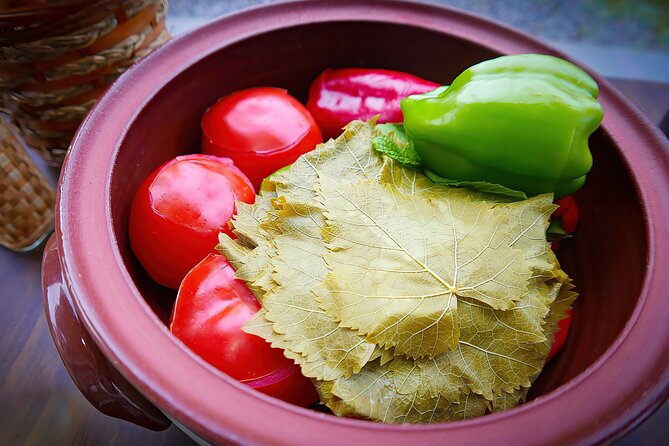
The main course on the sample menu includes moussaka, plus stuffed vegetables. These are the heart of a traditional Cretan table because they show the island’s love for layered flavors, sauces, and vegetables treated like the main event.
Moussaka teaches structure. You’ll learn how to build a dish so it holds together when served, not just tastes good while hot. Stuffed vegetables teach patience and technique. You’re not just chopping. You’re filling, seasoning, and thinking about how that filling flavors the vegetable from the inside.
What I like about focusing on mains like these is that you get transferable skills. Even if you don’t make exact replicas later, you’ll take away methods: how to season a base, how to balance herbs, and how to handle vegetables so they don’t end up bland or watery.
Hands-on preparation is the point. You should expect to do real work, not just watch Chrysoula do the hard parts. And if something goes off-script, you’ll get guidance. That’s how you end the morning with confidence rather than just a full plate.
You might also encounter related dishes that show up in different class moments. Some versions of the experience include items like tzatziki, fresh salad, stuffed grape leaves, squash blossoms, and a traditional Greek pastry dessert. Even if your exact menu order differs, the core lesson stays the same: Cretan home cooking is built from simple ingredients handled with care.
Same stretch of Crete, a different kind of day:
- Crete: Day Trip to Agios Nikolaos and Spinalonga Island
★ 4.6 · 4,416 reviews - Agios Nikolaos: Boat Trip to Spinalonga with Swim Stop
★ 4.4 · 3,031 reviews - Crete: Knossos Palace Entry Ticket with Optional Audio Guide
★ 3.9 · 2,251 reviews - From Chania: Day Trip to Elafonisi Island Pink Sand Beach
★ 4.5 · 2,014 reviews
The Dessert Moment: Homemade Ice Cream and a Sweet Finish
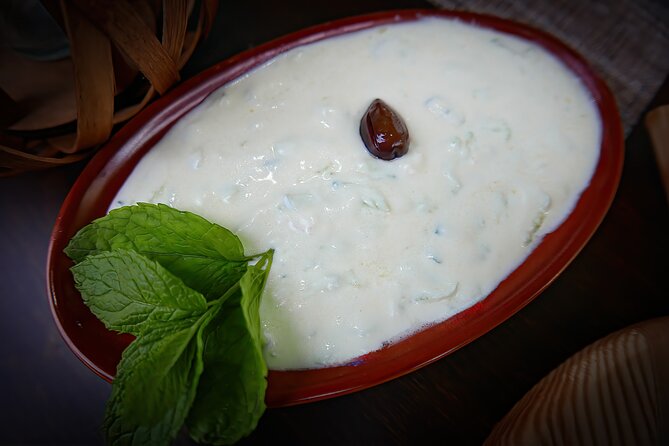
The sample menu calls for home made ice cream. Dessert is the moment the whole class pays off. After working through savory dishes, you get something lighter and fun, and you see how home cooking treats sweetness as a natural ending, not an afterthought.
Dessert in a home class also gives you extra time with the hosts. It’s usually where the atmosphere turns even more relaxed. People slow down, taste more, and the laughter level often rises again because everyone is already fed.
If you’re the type who wants a plan for what to do with all your new skills later, this part matters. Making dessert helps you take the Cretan approach beyond savory dishes. You learn the rhythm of home-style cooking where ingredients matter, but process and timing matter too.
And yes, there can be special touches. In at least one celebration, the host handled a birthday moment with extra homemade cake, then sent people home with plenty of raki. That’s not something you should count on for every class, but it shows the spirit of the experience: they like to make your day feel personal.
What Makes It Worth the Money: Small Group Value, Recipes, Local Food
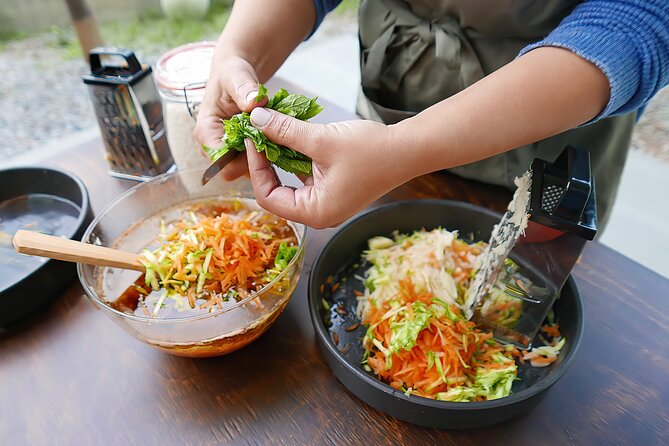
At $113.84 per person for about 3.5 hours, you’re paying for more than a meal. You’re paying for instruction, ingredients, and hospitality in a real home setting.
The best value comes from three practical things you get out of it.
First, the group is limited to 12 travelers. That size keeps you involved. You’re more likely to be actively preparing food rather than just watching other people cook. It also makes questions feel normal, which improves learning.
Second, the ingredients are often local. Some classes use items grown on the property or sourced from family farms nearby, including olive oil, herbs, vegetables, bread, and cheese. That matters because it shapes the flavor in ways you can’t fake later. You’ll taste the difference between generic supermarket ingredients and food chosen for a specific kitchen.
Third, you take home guidance. Recipes are sent after the class. That’s huge if you don’t want to recreate from memory. One of the fun parts of cooking is tasting as you go, but it also means it’s easy to lose track of exact amounts. Having the recipes later makes this more useful, not less.
The Raki and the Family Feel: Real Hospitality, Not Performance
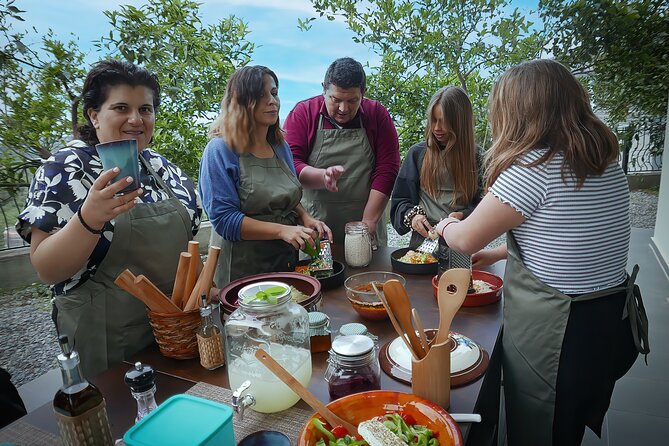
This experience leans into hospitality. That might sound like a soft benefit, but it affects the whole class. You’ll likely feel it from the moment you arrive.
People describe a rhythm of friendly teasing and hugs, with Chrysoula and Dee working like a team. The group vibe tends to mix couples, friends, and solo travelers, and that helps the energy stay lively without turning into a party.
Raki often appears during the experience. You may also get more raki to take away in some cases. If alcohol is a concern, it’s worth thinking about how much you want to taste and how you’ll pace yourself, especially if you’re driving later.
The reason I call this out is simple. When hospitality is done well, you relax. And when you relax, you learn better. You ask more questions and you pay attention to small techniques, like seasoning adjustments and how to handle specific ingredients.
Practical Tips to Get the Most Out of Your Morning
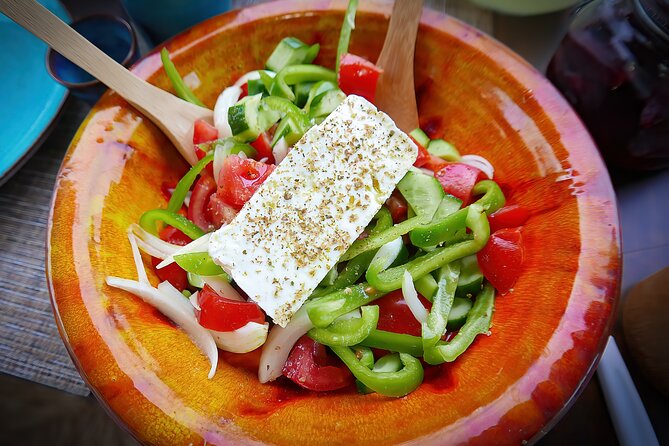
This is a cooking class at a home, so you’ll want to show up with the right expectations.
Wear comfortable clothes and shoes. Cooking can involve standing and moving around as you prep, stir, and assemble. Bring an appetite too, because the portion size tends to be generous, and the meal is multi-course.
If you have dietary needs, flag them when you book. A vegetarian can be accommodated with a separate dish. That means you should not rely on a token salad. You’ll want dishes that fit the menu plan without compromising the experience.
Language-wise, the class is offered in English. If you’re not a strong speaker, that still works well because cooking is visual and hands-on, and the host can adjust instruction naturally.
For logistics, you’ll receive confirmation at the time of booking, and you’ll use a mobile ticket. The meeting point is near Arkadi by a specific plus-code, and the location is near public transportation, which helps if you don’t want to rely on a rental car.
Finally, remember the weather factor. The experience requires good weather, and if it’s canceled for that reason, you’ll be offered another date or a full refund. So it’s a good idea to keep your day flexible if you can.
Who This Cretan Home Cooking Class Suits Best
This is perfect if you want an authentic food experience without the formality of a restaurant cooking demo. You’ll like it if you enjoy learning techniques you can repeat at home and if you’re happy to spend your morning cooking and eating instead of sprinting from one sight to the next.
It’s also a smart pick for:
- Food lovers who want to understand Cretan flavors and not just sample them
- Couples or small friend groups who enjoy shared activities and want a memorable evening or morning
- Solo travelers who want an easy way to meet people without awkward icebreakers
- People celebrating something special, since Chrysoula has shown she can make occasions feel personal
If you’re looking for a quiet, minimalist experience, this may not match your style. The energy is social and warm. That’s part of the charm.
Should You Book Chrysoula’s Traditional Cretan Home Cooking?
I think you should book this if you want real home-style Cretan food, made with care and served in a friendly atmosphere. The combination of a small group, hands-on cooking, a multi-course meal, and recipes sent afterward is exactly what turns a “nice activity” into something you’ll actually use and remember.
Skip it if you need a super structured, short schedule, or if you’re not comfortable with weather-dependent planning. Also consider your alcohol comfort level, since raki can be part of the experience.
If you want a morning in Crete that feels like you’re being welcomed into a family kitchen, this is one of the more dependable ways to get that.
FAQ
What is the duration of Chrysoula’s Traditional Cretan Home Cooking?
It lasts about 3 hours 30 minutes (approx.).
What time does the class start?
The start time is 10:00 am.
Where is the meeting point?
You’ll meet at the Arkadi area, using the plus-code location shown for the activity: 8G769H27+JHJ9H27+JHJ Arkadi, Greece.
Is the class offered in English?
Yes, it is offered in English.
How many people are in the group?
The class has a maximum of 12 travelers.
What dishes are included?
A sample menu includes dakos (starter), moussaka and stuffed vegetables (mains), and home made ice cream (dessert). Other Cretan dishes may appear as part of the cooking experience.
Can the class accommodate vegetarian diets?
Dietary issues can be accommodated, and a vegetarian can be handled with a separate dish.
Are service animals allowed?
Yes, service animals are allowed.
Do I need a mobile ticket?
Yes, it’s a mobile ticket.
What happens if the weather is bad or the activity is canceled?
The experience requires good weather. If it’s canceled due to poor weather, you’ll be offered a different date or a full refund.
Is there free cancellation?
Yes. You can cancel up to 24 hours in advance for a full refund.
Fresh options around Crete
- Private tasting of 6 cretan wines in Fres village, Chania★ 5.0 · 4 reviews
- Off-road Buggy Safari in Crete with a Guide★ 4.5 · 16 reviews
- Semi Private Wine Tour of 2 wineries with Transfer and Lunch★ 4.0 · 15 reviews
- Wine Tasting in Rethymno★ 5.0 · 21 reviews
- Cretan Delights – Wine, Olive Oil & Cooking Workshop from Chania★ 5.0 · 25 reviews
- LUXURY PRIVATE Wine Tasting in CRETE (also for CRUISE SHIPS)★ 5.0 · 7 reviews
- Heraklion Private Half-Day Wine Tasting Tour in Lyrarakis Winery★ 5.0 · 7 reviews
- 2-Hour Wine Tasting & Food pairing in Rethymno, Crete, Greece★ 5.0 · 11 reviews
Cooking Classes, compared.
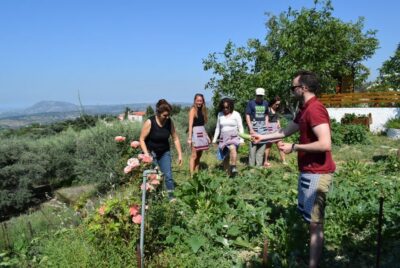
Authentic Cooking Class in the White Mountains
Read our review →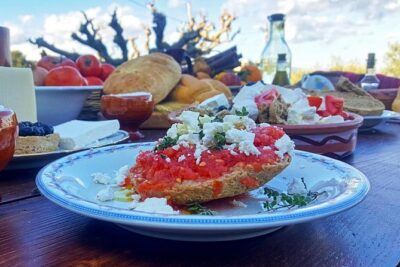
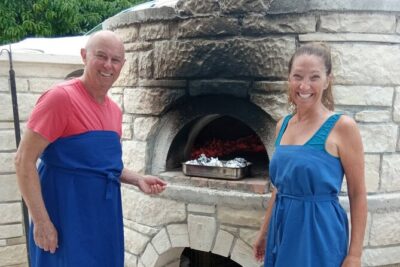
Chania Cooking Class-The Authentic Enjoy traditional Cretan meal
Read our review →
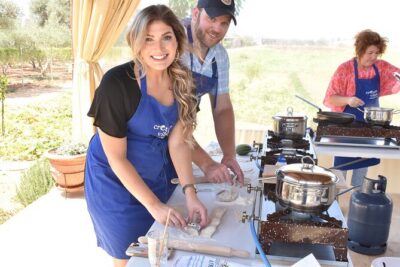
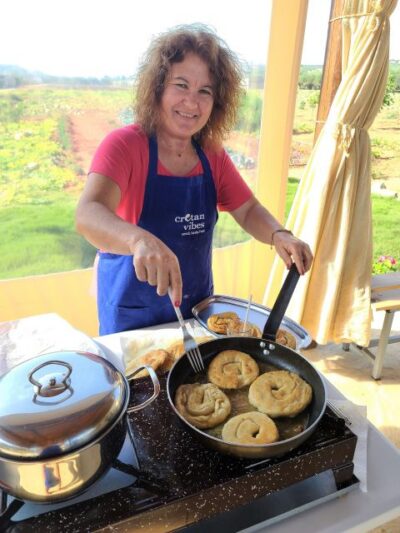
Cooking Class and Olive Oil Tasting at a Family Farm
Read our review →
Sightseeing Day Trip with Cooking Lesson and Lunch
Read our review →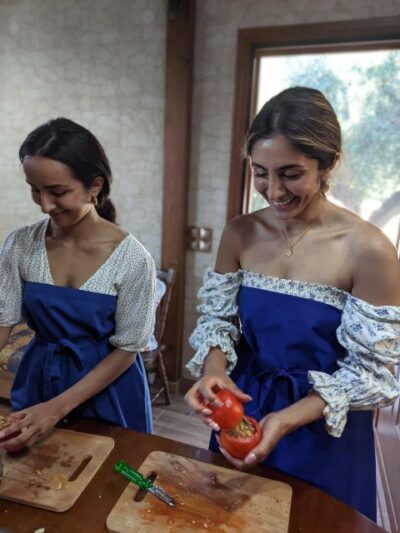
Browse the lists this tour appears in