
Reviewed · GORGE HIKES
Heraklion:Cretan Villages with Patsos Gorge
Crete works best when you stop chasing ruins and start meeting people and places. This Heraklion tour strings together traditional villages with a gorge walk, so you see daily life, old stone churches, and the kind of water stories Crete is famous for. I especially like the mix of hands-on village moments, like making raki, and the green, walkable break in the middle of the day in the Gorge of St. Antonios.
The main trade-off is time and comfort. You’re on a full 10-hour schedule with a hike on uneven paths, and the tour is not set up for mobility impairments.
Key highlights at a glance
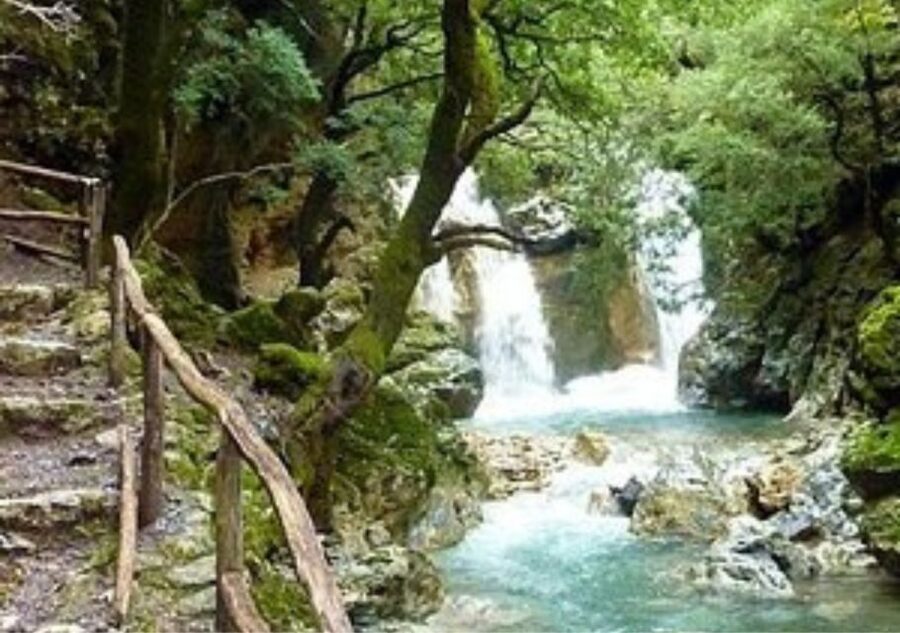
- Zaros spring water and Lake Votomos trout, with Byzantine monasteries in the same stop
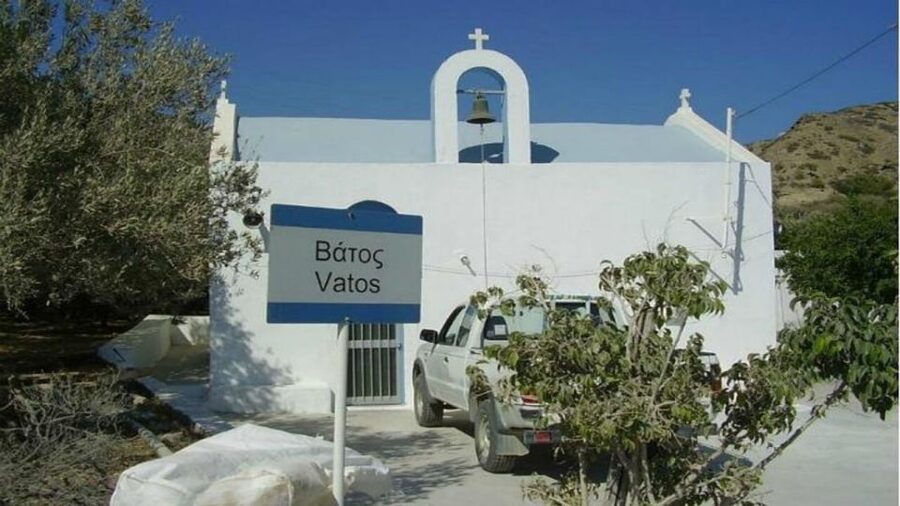
- Vatos village visit, including an old school, a fountain, and a museum of farming tools
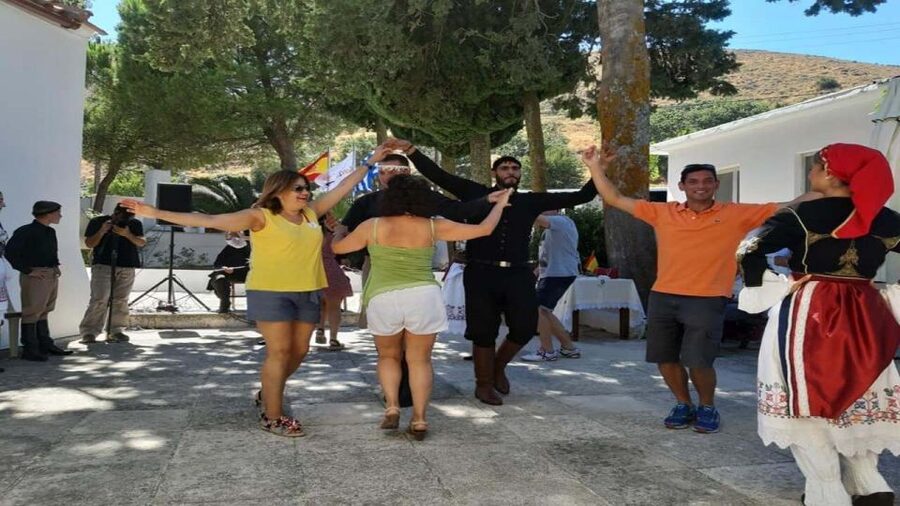
- Raki making at the village cauldron, a simple cultural moment that feels real
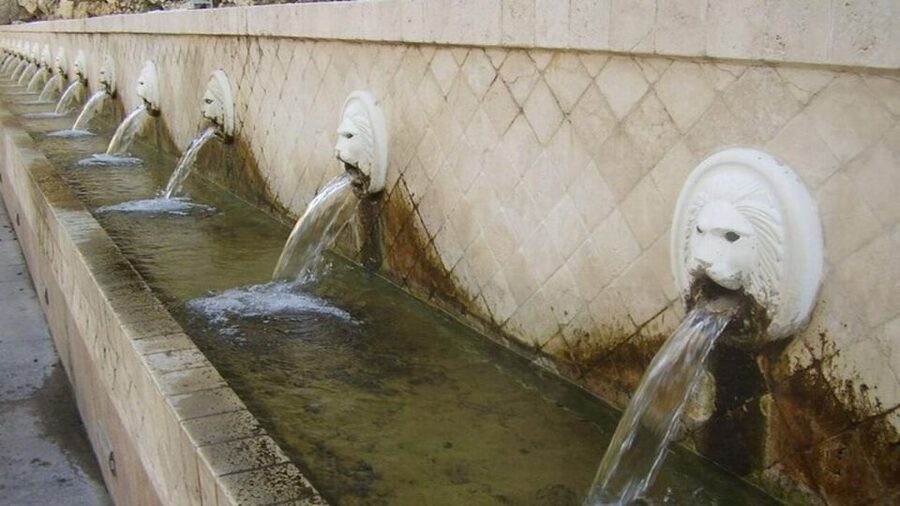
- Spili’s Venetian water system, famous for the snake and its long row of lion heads pouring cool water
- Lampini’s Panagia church, with frescoes dated to the 12th and 14th centuries
- Gorge of St. Antonios hike, up to the cave for a change of scenery from village lanes
A village-to-gorge day that shows how Crete really lives
This is the kind of day trip that makes Crete feel like a lived-in island, not a checklist. You start in the hills around Zaros, move through small inland villages with specific local traditions, then end with a gorge walk to the cave of St. Antonios. The rhythm matters. You get seated breaks for churches, museums, and a meal opportunity, then a real stretch of walking through lush gorge greenery.
The tour also has a smart “story path.” Water and stone show up again and again. Spring water at Zaros. Water culture in Spili with its Venetian-style public fountains. Then the gorge, where water and rock take over the scenery. If you like travel days that feel connected instead of random drives, you’ll appreciate how it’s stitched together.
More Cretan gorge hikes:
- Heraklion: Preveli By Boat, Damnoni & Kourtaliotiko Springs
★ 4.5 · 254 reviews - From Heraklion: Imbros Gorge and Libyan Sea Guided Day Trip
★ 3.6 · 11 reviews - Rethymno: Preveli Beach Damnoni Beach Kourtaliotiko Day Trip
★ 4.3 · 929 reviews
Zaros and Lake Votomos: spring water, trout, and Byzantine monasteries
Your first big stop is Zaros, a village known for refreshingly unspoiled character and spring water that is now bottled and sold around Greece. That matters, because it’s not just a pretty source. It’s a local resource that turned into a broader Cretan product.
In Zaros you also get Byzantine monasteries, which help explain how this part of Crete has layered faith over centuries without turning everything into a museum-only experience. If you like churches that feel “still in use” rather than only preserved, this is the kind of stop that tends to land well.
Then comes Lake Votomos, described as emerald-green, and it’s where the food story turns practical. The tour includes farm-raised trout served in tavernas around town and at the lake. Even if you don’t call yourself a seafood person, it’s a good way to experience what local production looks like when it shows up at the table. It also gives you a reason to slow down for a while, because this stop isn’t only about buildings. It’s about the whole water and farming cycle.
What to watch for: the day moves fast after Zaros. If you’re hoping for lots of free wandering time, know that each village stop includes set visits like churches, museums, or planned tasting and demonstrations.
Vatos: schoolhouse memories and raki made at the village cauldron
After Zaros, the tour heads to Vatos, a small Cretan village hidden in greenery. The emphasis here is tradition you can see up close. Walking down the alleys, you visit an old school and a fountain, then a museum focused on farming tools and utensils from earlier times. That museum detail is valuable. It’s not vague, it’s specific to how people worked and survived.
You also get a hands-on stop at a village cauldron where you make raki. This is one of those experiences that can feel touristy on paper, but here it’s framed as a local custom tied to community life. You’re not just tasting a drink. You’re doing a small part of the process in a setting that feels connected to the village.
To make the most of Vatos, I’d plan for short bursts of walking on village lanes. The tour is built around moving between points of interest. Wear shoes that handle uneven ground.
One consideration: the raki segment will be part of the day’s pace. If you prefer to keep your alcohol intake light, you can still enjoy the cultural side of the moment and simply pace yourself.
Spili’s Venetian snake and 25 stone lion heads
Spili is the next stop, and it comes with one of those instantly memorable public-water features. Spili’s Venetian snake has a long line of stone lion heads, 25 in total, that run cool water from their mouths. It’s both a visual show and a functional piece of village infrastructure. You see water being part of everyday public life.
There’s also an optional lunch opportunity at Spili. That means you can fit a meal into your own appetite and schedule, rather than being forced into a restaurant timing that might not match your preferences. If you do lunch, budget extra, since lunch is not included and carries a stated cost.
This stop is a good example of why the day works. It mixes “wow, that’s unusual” with something you can understand fast: where water comes from, how it’s shared, and how communities built systems around it.
A few more Heraklion days worth comparing
- Heraklion: Dia Island Sailboat Cruise with Swimming and Meal
★ 4.8 · 2,579 reviews - Heraklion Area: CRETAquarium Admission Ticket
★ 4.4 · 2,055 reviews - Crete: Palace of Knossos E-Ticket and Audio Guide
★ 3.8 · 1,540 reviews - Agia Pelagia Crete Quad Bike authentic backland Tour
★ 4.9 · 1,430 reviews
Lampini’s Panagia church: frescoes from the 12th and 14th centuries
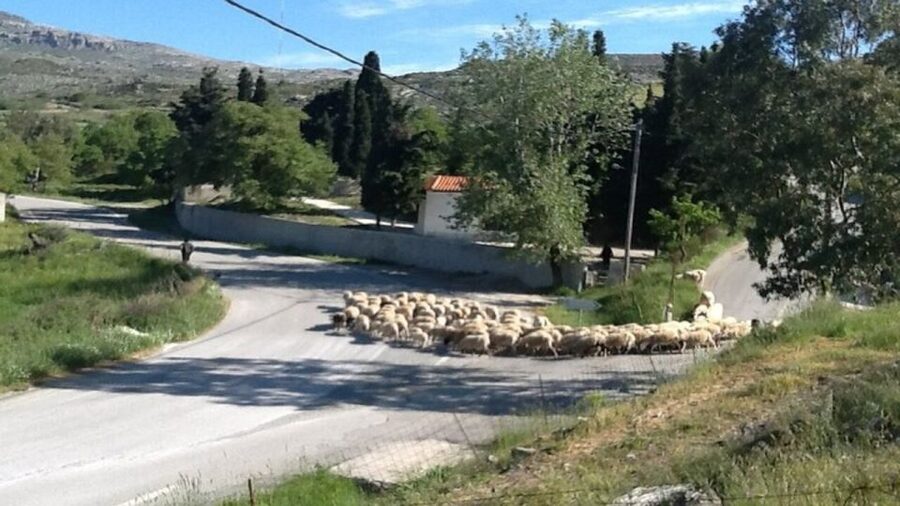
Lampini is quieter than Spili in feel, but it has strong church history. The tour includes the church and the museum of Panagia. The church is noted for a cupola, and its frescoes are described as dating to the 12th and 14th centuries.
That time span matters. It’s not just a single artistic period. It suggests continuity and change across generations, which is one reason old churches in Crete can be so compelling. You often see layers, different hands, and different ways people chose to depict faith.
Lampini also has an extra historical angle. The tour notes the church was an Episcopal church because the village once accommodated the seat of the famous Episcopate of Lampis, which existed since 431. Even if you don’t go deep into ecclesiastical details, it’s a reminder that this region mattered long before modern tourism put names on maps.
Practical tip: keep your attention on the details inside the church. The fresco dates are the kind of thing you’ll want to spot while you’re there, because you might not get a second look later.
Gorge of St. Antonios hike: up to the cave in lush greenery
The gorge segment is the physical heart of the tour. You drive to the Gorge of St. Antonios, then walk through a hiking trail described as very nice, with super green and lush surroundings, up to the cave of St. Antonios.
Even if you’re not a hardcore hiker, this part tends to feel like a “reset.” After village alleys and church interiors, your senses shift to outdoors: air, stone walls, and the simple satisfaction of moving along a trail that leads to a specific destination.
The cave is the payoff point. The tour describes walking up to it, so you know there’s an actual end goal, not just a scenic stroll. That makes it easier to manage expectations for time and effort.
Bring what the tour asks for: comfortable shoes. This is the main gear requirement listed, and it’s the one that matters most when you’re stepping on gorge paths.
Consideration: this tour is not suitable for people with mobility impairments. The gorge hike is the key reason. If that’s you, it’s worth choosing a different format with less walking.
Where Arkadi Monastery fits into the day
Some versions of this outing also include a stop at Arkadi Monastery, and it can be one of the most moving moments of the schedule. It’s tied to heroic history, which is exactly the kind of context that tends to make a monastery visit feel more than just architectural.
If your day includes Arkadi, it’s a good place to slow down mentally. Monastery sites often work best when you give yourself a few minutes to absorb what you’re looking at, especially when history has shaped the site’s meaning.
Price and what you actually get for $129
The price listed is $129 per person for a tour that runs 10 hours, with an air-conditioned motorcoach and a professional escort. VAT and all legal taxes are included. That’s not a small detail. It helps you avoid the annoying add-ons that can turn a reasonable day trip into an expensive one once you get to the checkout screen.
Here’s what you should plan for on your end:
- Lunch is not included, and there’s a stated option of 20,00 € for lunch at the restaurant during the tour.
- Pick-up and drop-off transfer are not included, so you need to handle getting to the meeting point in Heraklion.
Why this still feels like good value: the itinerary mixes multiple distinct experiences in a single day. You’re getting several village visits with museums and churches, a structured raki-making moment, a featured water stop in Spili, and a guided hike in the gorge. For an island like Crete, where getting between inland villages can eat up time and confidence, a coordinated coach day can be the most cost-effective way to string it all together.
Timing, comfort, and how to make the day easier
You meet with your guide at 08:30 at the terminal of Cretan Spiti Travel, across from the entrance of the Heraklion Archaeological Museum, in front of Hari’s Creperie. The tour returns to Heraklion at 18:30.
That schedule is long. To enjoy it, you’ll want to think of it as a full day experience, not a relaxed stroll. The upside is that you pack in variety without needing to rent a car and negotiate inland roads yourself.
Also note:
- The tour is guided with live tour guide support in Spanish, Italian, French, and English.
- Unaccompanied minors are not allowed.
- People with mobility impairments should not book, since the itinerary includes a gorge hiking segment.
My practical suggestion: wear comfortable shoes, keep an eye on your pacing during the gorge, and plan to accept that you’ll only get glimpses of each village rather than long free-roaming hours.
Should you book this Heraklion villages and St. Antonios gorge tour?
Book it if you want a guided day that blends real village culture with a genuine walking experience. I think it’s a strong choice if you like places that explain how people live, not just how buildings look. The raki-making moment in Vatos, Spili’s lion-head water system, and the fresco-focused church stop in Lampini give the day clear “this is why we came” anchors.
Skip it if you need a low-walking itinerary or if the idea of hiking up to a cave in the Gorge of St. Antonios sounds stressful. Also, if you hate structured schedules and prefer total free time, you might feel boxed in by the 10-hour rhythm.
If you’re happy with comfortable shoes and you want a day that connects Crete through water, faith, and village traditions, this is the kind of tour that can turn your Heraklion base into a much richer island day.
FAQ
Where is the meeting point in Heraklion?
You meet across from the entrance of the Heraklion Archaeological Museum, in front of Hari’s Creperie.
What time does the tour start and end?
The tour meets at 08:30 and returns to Heraklion at 18:30.
How long is the tour?
It runs 10 hours.
Is lunch included?
No. Lunch in a restaurant is not included during the tour, and the listed option is 20,00 €.
Do I need to arrange my own transport to the meeting point?
Yes. Pick-up and drop-off transfer are not included.
What’s the main activity in the gorge?
You drive to the Gorge of St. Antonios and walk a hiking trail, up to the cave of St. Antonios.
What should I bring?
The tour specifically recommends comfortable shoes.
Are there any age limits?
Unaccompanied minors are not allowed.
Is the tour suitable for people with mobility impairments?
No, it is not suitable for people with mobility impairments.
What languages are available for the live guide?
The live tour guide is available in Spanish, Italian, French, and English.
Fresh options around Heraklion
- SUP Safari – Catamaran Cruise Dia Island & Gourmet Delights!★ 5.0 · 9 reviews
- Heraklion: Dia Island Sunset Boat Tour with Dinner★ 5.0 · 61 reviews
- Special Cretan Cooking Class at Archanes (Transfer Optional)★ 4.8 · 6 reviews
- Heraklion: Beginner-Friendly Snorkeling Trip★ 4.8 · 21 reviews
- Lygaria: Private Motorboat Cruise with Snorkeling & Swimming★ 5.0 · 5 reviews
- Private tour: Archeological Museum of Heraklion★ 5.0 · 3 reviews
- Heraklion: Dia Island Private Sailing Cruise with Full Meal★ 5.0 · 6 reviews
- Premium Crete Olive oil tasting, Wine, Raki and Cretan food!★ 5.0 · 17 reviews
Gorge Hikes, compared.
Preveli Beach Damnoni Beach Kourtaliotiko Day Trip
Read our review →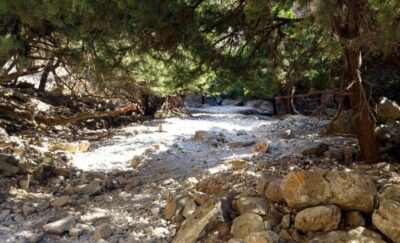
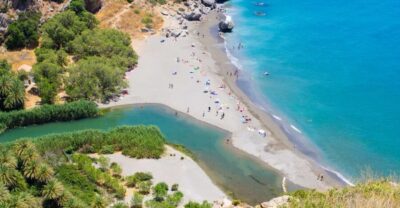
Preveli By Boat, Damnoni & Kourtaliotiko Springs
Read our review →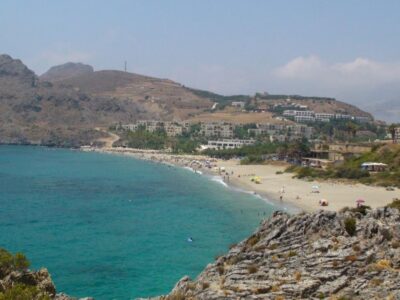
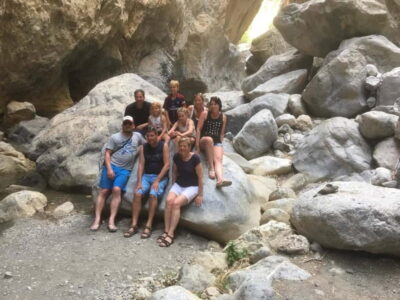
Sarakina Gorge, Forests, and South Coast Safari
Read our review →
Richtis Waterfall Full-Day Tour with Olive Tasting
Read our review →
Browse the lists this tour appears in