
Reviewed · HERAKLION TOURS
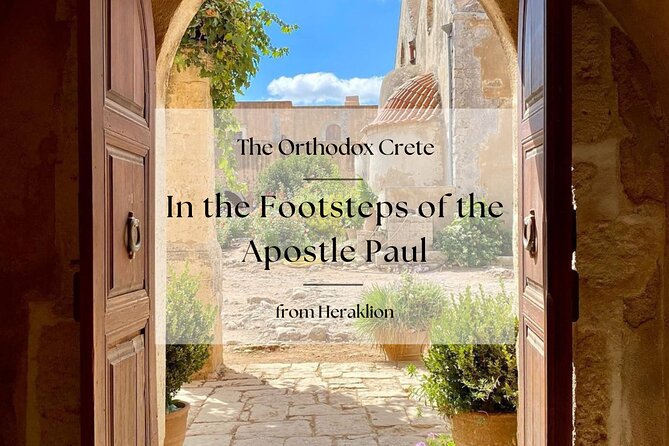
Orthodox Crete: In the Footsteps of the Apostle Paul from 55 AD
Crete can feel like it has layers stacked on layers, and this day trip is built to help you read those layers through Orthodox Christian sites and the theme of the Apostle Paul around 55 AD. I like that it is a private, guided route, so you are not just ticking boxes, you are getting explanations that connect the dots. The main thing to consider is that several key stops are religious sites with quiet moments, so if you want a nonstop party day, this one may feel a little contemplative.
What I especially like is the mix of prayerful places and tangible history. You get cave and monastery visits, then you switch gears to prehistoric and Bronze Age ruins at Phaistos, and it all lands you at Matala Beach with time to relax and eat. A practical drawback: Palace of Phaistos admission is not included, so you will want to budget for that extra ticket.
Key things that make this day trip work
- Private guide with flexible pacing, so you can lean into what interests you most
- Chauffeured premium vehicle with Wi-Fi, USB sockets, water, fruits, snacks, and hygiene amenities
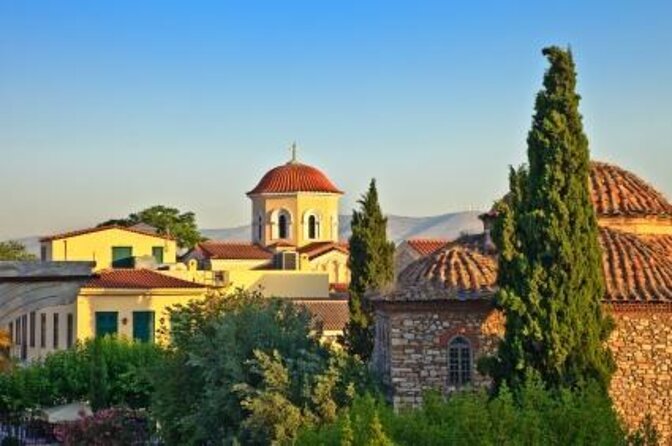
- Orthodox sites with real atmosphere, including caves, monastic walls, and a sacred myrtle connection at Paliani
- Messara Plain time to slow down and see beyond postcard Crete
- VIP skip-the-line support and help purchasing admission tickets when needed
- Matala Beach as the finish, with iconic caves and a solid seafood dinner option
Orthodox Crete’s story line, from cave water to ancient ruins
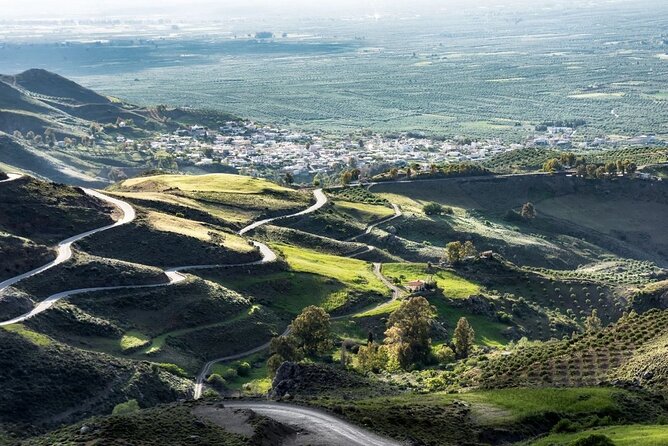
This is not a generic archaeology day. The theme is Orthodox Christianity on Crete, tied to the idea of following the Apostle Paul’s footsteps from 55 AD. What that means in practice is a route that favors sacred spaces, retreats, and places where people have prayed for generations, then pairs those with the older human stories you can still walk through.
I like the emotional rhythm of the day. You start with an orientation to how Orthodox Christianity shaped places on Crete, then you move into caves and monasteries where the setting does half the explaining for you. By the time you reach Phaistos and the Matala caves, your brain is ready for the long timeline, not just the highlights.
A few more Heraklion days worth comparing
- Heraklion: Dia Island Sailboat Cruise with Swimming and Meal
★ 4.8 · 2,579 reviews - Heraklion Area: CRETAquarium Admission Ticket
★ 4.4 · 2,055 reviews - Crete: Palace of Knossos E-Ticket and Audio Guide
★ 3.8 · 1,540 reviews
Getting picked up and settling in, without wasting your morning
Your day begins with personal pick-up and drop-off from your hotel, villa, cruise, or any other point on Crete. Pickup time is flexible and confirmed after booking, and the tour is designed as a private experience, meaning only your group rides together.
The vehicle setup matters more than it sounds. You have Wi-Fi and USB sockets, plus mineral water, Cretan fruits, and snacks, so you can keep moving without doing the whole day-trip squeeze where you are always buying something last minute. If you are traveling with kids, this kind of comfort and snack timing is a real quality-of-life upgrade.
And yes, it is a premium, chauffeured ride with hygiene amenities too. That is one of those “small” inclusions that makes a long day feel smoother, especially if you have a later stop like Matala where you might want to linger without racing back.
Stop 1 in Heraklion Prefecture: setting the Orthodox and Paul theme
The first stop is in the Heraklion Prefecture area for about 45 minutes, with an admission ticket listed as free. This is where you get the interpretive frame for the rest of the day, guided by your local specialist.
This opening matters because it tells you what to look for beyond the obvious. When a guide can explain how Orthodox Christianity is connected to specific places and practices, you stop treating each stop like a photo opportunity and start reading details like architecture style, how spaces are used, and what locals consider meaningful.
If you are the kind of traveler who loves clear context, this part is your payoff later. If you prefer to learn by walking slowly and noticing quietly, this is still useful because it gives you a mental map to carry into the caves and monasteries.
Stop 2 Agios Myronas: cave water at 400m and a quieter kind of healing
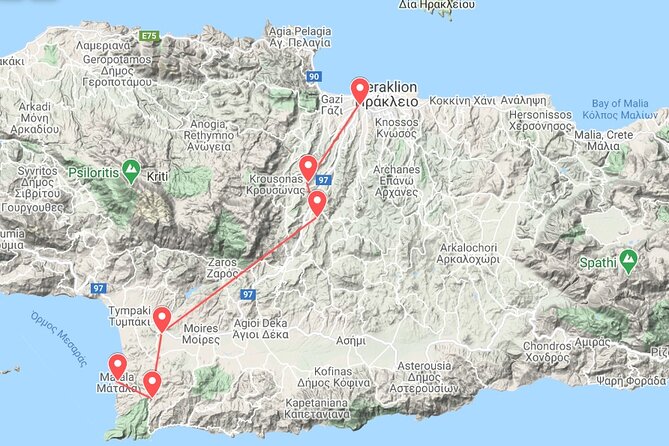
Next you head to Agios Myron, about 35 minutes, again with free admission listed. The standout here is the altitude around 400 meters and the village setting of Agios Myronas. You also get the cave connected to his ascetic holy life, where healing water still reportedly gushes from within the rock.
This is one of those stops where the guide can make the experience feel real, not mystical for the sake of it. A good guide will point out how people use such caves, what the atmosphere is like, and why this kind of sacred water story matters in Orthodox tradition.
Practical note: caves and rock sites can be cool or damp compared to the road outside. I recommend wearing layers you can adjust, and bringing shoes that handle uneven surfaces comfortably.
Same stretch of Crete, a different kind of day:
- Agia Pelagia Crete Quad Bike authentic backland Tour
★ 4.9 · 1,430 reviews - Crete: Sunset or Morning Quad with Local Products Tasting
★ 4.9 · 1,135 reviews - 5Hour Safari Tour in Crete(Heraklion)with Quad,Jeep,Buggy & Lunch
★ 5.0 · 941 reviews - Heraklion: Sailing Cruise to Dia Island with Drinks and Meal
★ 4.9 · 778 reviews
Stop 3 Messara Plain: time for spiritual Crete and real views

You then travel along the ancient Messara valley for around 45 minutes. There is no admission ticket listed for this segment, and the point here is not just scenery. It is a guided look at Crete through a local lens, so you can grasp both the spiritual side and the unspoiled side of the island.
This stop is worth it when you use it correctly. Instead of rushing for photos, listen for what your guide says about how the region is read in Orthodox life and local identity. The Messara Plain segment is a buffer between heavier religious sites and the major monastery and archaeology stops, so it helps the day feel balanced.
If you hate car time and prefer walking every hour, you might wish there were more steps here. But if you enjoy thoughtful travel and want the day to breathe, this is a good pacing choice.
Stop 4 Moni Palianis: the Assumption monastery and the sacred myrtle tree
Paliani is one of the day’s most distinctive stops, lasting about 35 minutes with free admission. You visit Moni Palianis, described as one of the oldest Cretan monasteries dedicated to the Assumption. The big draw is the monastery’s sacred Myrtle tree, tied to a relic of Minoan Crete and something referred to as dendrolatry, or the veneration of trees.
Even if you are not deep into religious symbolism, this stop works because it shows continuity and transformation. Orthodox devotion and older cultural practices can coexist in the physical memory of a place. Your guide can help you spot where those stories show up in the monastery setting, not just in explanations.
What to watch for: monasteries often have a “quiet respect” vibe. Dress modestly, keep your voice down, and treat the space like you are stepping into someone’s spiritual routine, not a museum set.
Stop 5 Palace of Phaistos: Bronze Age history you can actually walk through

Then comes Palace of Faistos (Phaistos), about 35 minutes. Here, admission is not included, so this is your one planned cost bump. Still, this is a key emotional turn in the day because it pulls you into prehistoric and Bronze Age Crete, where the human story is older than most religious buildings.
This stop is not just about grand walls. It is about how older cities can sit close enough to modern religious life that the same region carries multiple meanings. When your guide ties the religious theme to the deeper timeline, you stop thinking of Crete as “old” and start seeing it as continually inhabited and reinterpreted.
Because your time here is short, efficiency matters. Wear shoes ready for uneven ground. If you have questions, save them for this portion, since a guide can often explain what you are seeing in real time, rather than trying to cram everything into the car ride.
Stop 6 Odigitria Monastery (Agiofarango): fortified monastic architecture at the island’s southern edge
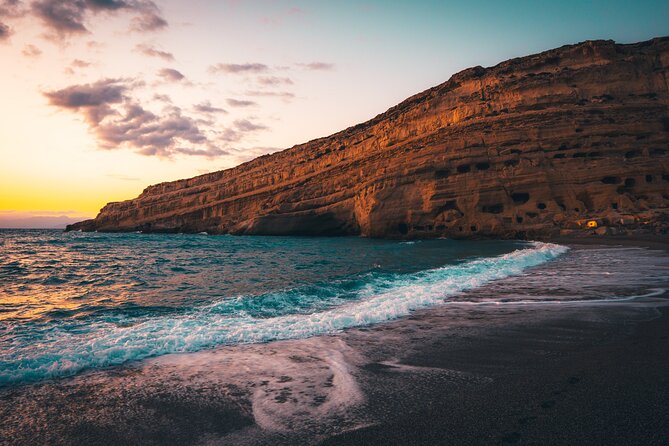
Next is Odigítria Monastery, also referenced as Agiofarango, for about 45 minutes, with free admission listed. The description highlights fortified architecture, and that matters because it makes the monastery feel less like a quiet retreat and more like a place built for endurance.
This is a strong stop for travelers who enjoy structure and form, not just artifacts. Fortified religious architecture usually means thick walls, defensible placement, and a sense of how life was protected through centuries. If your guide is good at translation between “what you see” and “what it meant,” you will understand why people built places like this instead of just admiring the view.
You should also expect a slower pace than an open-air ruin visit. Monastic sites reward calm attention, and your guide’s job is to help you notice the details that would otherwise pass by.
Stop 7 Matala Beach: prehistoric caves, then seafood and downtime
Finally, you reach Matala Beach for about 2 hours, with free admission listed. Matala is described as a prehistoric port of Gortyna, with iconic caves from the Neolithic Age. This is where the day shifts from structured history and worship spaces to breathing room and food.
I like the logic of ending here. You have been in caves and sacred water stories earlier, and now you get caves that are tied to human settlement and trade, not just religious devotion. Then you can relax on the beach and choose a meal in a way that feels natural, not forced.
You also get support with restaurant recommendations and reservations, so you are not guessing where to eat after a long day. Drinks and meals are not included, but the help is there to make the food part painless.
If you stay after the formal tour stops, keep an eye on time. Matala is popular, and you will want to be ready for your comfortable ride back to your meeting point.
Price and value: what you pay for without seeing a ticket pile
No price is listed here, so I cannot compare numbers. But I can tell you how this tour earns its value based on what is included.
The big value drivers are:
- A private guide and a chauffeured premium vehicle, which usually reduces stress compared to piecing together buses and taxis
- Vehicle amenities like water, fruits, snacks, Wi-Fi, USB sockets, and hygiene supplies, which keep the day comfortable
- VIP skip-the-line access and assistance purchasing admission tickets, which can save time and hassle
- Insider-access opportunities and tailored conversation based on your interests
- Help with restaurant recommendations and reservations so you do not waste your last two hours figuring out where to eat
The main “watch-out” cost is that Palace of Phaistos admission is not included. Everything else is listed as free for the stops on this itinerary, but that general note about admission fees means you should be prepared for at least that one paid site.
If you hate logistics and love thoughtful guided interpretation, this is the type of tour that can feel like good value even without seeing a price tag. You are buying time, comfort, and explanations in one package.
The guides make the difference, and you can feel the difference fast
This kind of day trip lives and dies by the guide. The best parts of this experience, according to real outcomes people described, were the conversation and the way the history came alive.
I noticed a pattern in the guide feedback: people singled out guides such as Gethsemane, Ioanna, Alex, and Nektar for being energetic with ideas and strong with Judeo-Christian and historical context. The common thread was not just facts, it was how those facts turned into something you could picture while standing in front of stone, icons, and caves.
If you book, do yourself a favor and tell your guide what you care about. This tour is framed to connect Orthodoxy and the Apostle Paul theme, but you can likely focus more on early Christian faith, architecture, local traditions, or the archaeology time at Phaistos.
Who should book Orthodox Crete, and who might want something else
This tour fits best if you want:
- A private day with a guide who can explain spiritual and historical connections
- A manageable schedule that still hits monasteries, caves, and a major archaeology site
- Comfortable transport, snacks, and an ending that includes real downtime at Matala
It might not be your best match if:
- You want long museum-style walking with lots of free time at each stop
- You prefer a purely beach and food day, with less religion and less interpretive history
If you are traveling with kids, it also has a good chance of working because a strong guide can keep young minds engaged, especially during the story-heavy monastery and cave segments.
Should you book this Orthodox Crete day trip?
Book it if you like your history with context, and you want a route that feels intentional rather than random. The combination of Orthodox sites, the structured stop at Phaistos, and the relaxed finish at Matala gives you a full day without feeling like you are sprinting.
Skip it or consider an alternative if you are sensitive to religious spaces, do not enjoy quiet moments, or want every stop to be equal in time. You will also want to plan for the Phaistos admission since that is the clear part that is not included.
If you are on Crete and you want one day that ties faith, place, and deep time into a single story, this is an easy choice to make.
Fresh options around Heraklion
- Mirabello Luxuries with Spinalonga & Agios Nikolaos from Iraklion★ 4.5 · 7 reviews
- Heraklion – Walking city tour with food tasting★ 4.5 · 25 reviews
- Private Trekking Rouvas Gorge★ 4.5 · 4 reviews
- Private Full-Day Elafonisi★ 5.0 · 4 reviews
- Private Guided Tour to Knossos Palace, the Museum and Heraklion★ 5.0 · 13 reviews
- Truffle Hunting, Culinary & Wine Celebration from Heraklion★ 5.0 · 6 reviews
- Ecobike All inclusive – 2 Day tour – Discover the real Crete★ 5.0 · 4 reviews
- Secrets of West Crete & Rethymno Town Private Tour from Heraklion★ 5.0 · 9 reviews
Heraklion Tours, compared.
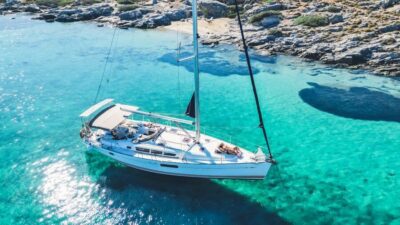
Dia Island Sailboat Cruise with Swimming and Meal
Read our review →

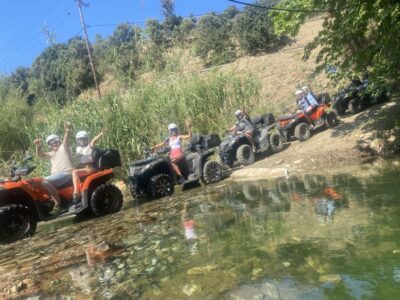
Agia Pelagia Crete Quad Bike authentic backland Tour
Read our review →
Sunset or Morning Quad with Local Products Tasting
Read our review →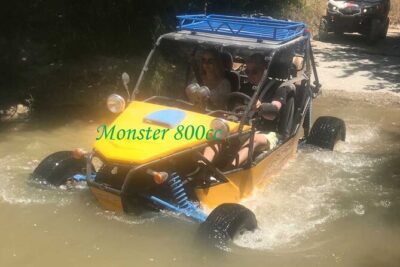
5Hour Safari Tour in Crete(Heraklion)with Quad,Jeep,Buggy & Lunch
Read our review →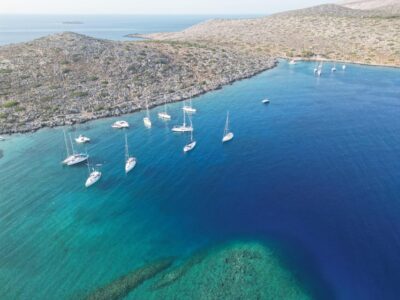
Sailing Cruise to Dia Island with Drinks and Meal
Read our review →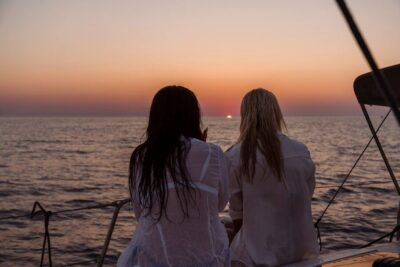
Browse the lists this tour appears in