
Reviewed · OLIVE FARM TOURS
Small-Group Honey & Extra Virgin Olive Oil Tasting Tour in Crete
Crete has a way of turning simple ingredients into something you remember. This small-group tasting at Idiosmos Extra Virgin Olive Oil & Honey Tour & Taste is interesting because it mixes beekeeping with cold-pressed olive oil, and it tells the family story from 1920 until now, led by host Mariana. It is also a great fit if you are tight on time, because the whole thing runs about an hour.
Two things I really like: you get personal attention in a group capped at 10, and the tasting is built around real contrasts, like multiple honey types plus olive oil paired with local foods, not just a few sips and you are done. One consideration is that the most memorable parts are sensory and interactive, so you will want to pay attention during the session, especially if your English is still a bit shaky.
Key highlights worth planning for
- A family producer since 1920: you get the owner family pride, not a scripted demo
- Hands-on moments: you touch, smell, and taste as part of the learning
- 8 honey varieties plus extra virgin olive oil: more variety than most short tastings
- Beehives and olive oil process in one stop: two food worlds in one hour
- Food pairings that help you taste differences: bread, cheeses, yogurt, tomatoes, olives, and more
- Small group size (max 10): better questions, better pacing, less crowd noise
Where this 1-hour honey and olive oil tour fits into Crete
This is one of those tours you can slot in without wrecking your day. It is short, about 1 hour, and that matters in Crete where you might be hopping between beaches, towns, and archaeological sites. Instead of feeling like an extra chore, this plays like a focused stop. You get a story, a look at how the products are made, and then a tasting that actually teaches you how to notice differences.
Pricing is also unusually friendly for what you get. At $18.10 per person, the tour is clearly positioned for food lovers who want quality and variety, not a long, expensive excursion. And it is commonly booked in advance (on average, around 18 days ahead), so if you want a specific time, you should book early.
More olive farms and mills near Crete:
- Crete: Quad Safari, Olive Mill with Tasting & Ghost Village
★ 4.9 · 1,004 reviews - From Chania: Olive Oil, Wine, Cheese & Honey Tasting Tour
★ 4.6 · 490 reviews - Crete: Road-trip to Lasithi Plateau & Olive Mill Farm
★ 4.4 · 420 reviews
First stop: Idiosmos in Pervolakia and the feel of a working family place
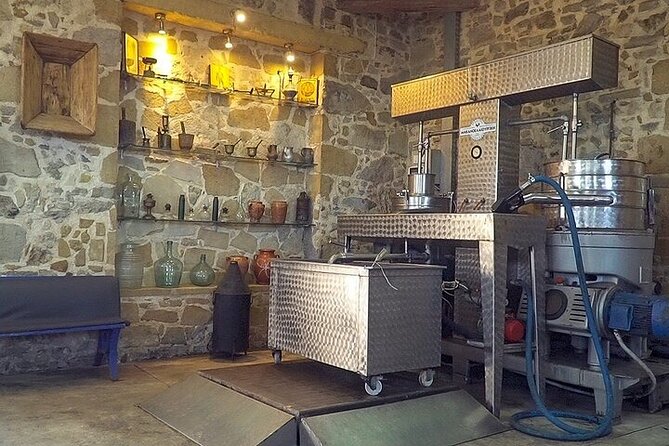
The tour meets at Idiosmos Extra Virgin Olive Oil & Honey Tour & Taste in Pervolakia, 734 00, Greece. The vibe here is more like visiting a working family operation than dropping into a museum room. You are on site to see core production, and it is easy to tell the products are not a side hobby.
That family ownership comes through in how the experience is paced. The tour includes a story from 1920 until now, and you will hear about how the family’s approach has stayed tied to tradition. That continuity is a big part of why the tasting lands. You are not just sampling flavors, you are learning what shaped them.
How you learn the olive oil process, from fruit to cold pressed oil
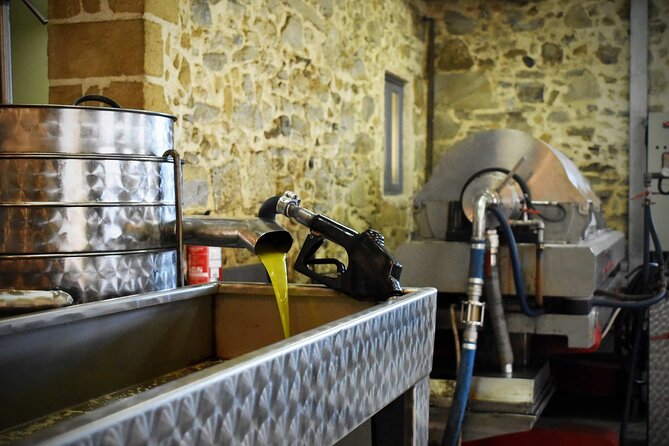
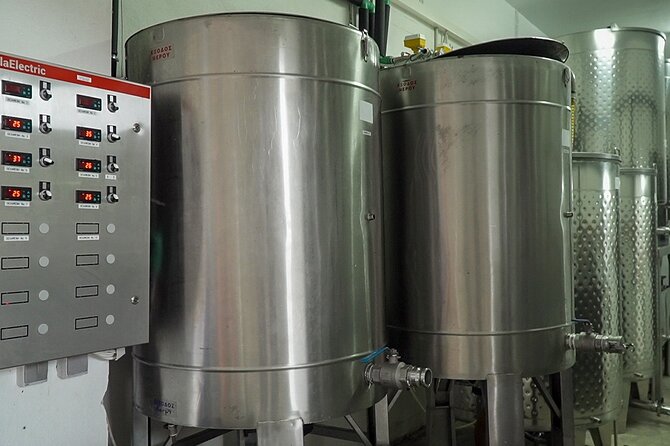
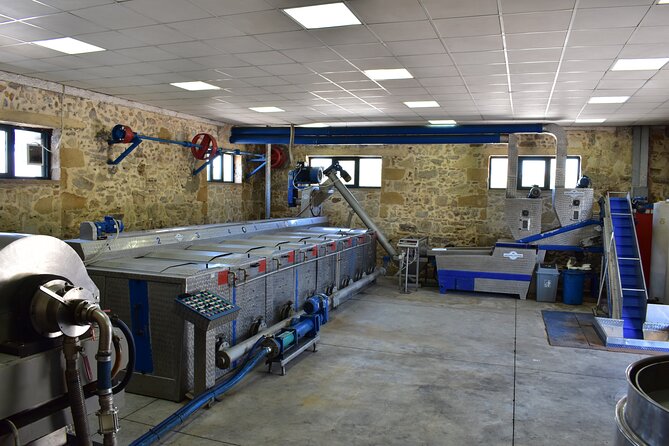
One of the best parts of this tour is that olive oil is explained as a process, not a label. You will be introduced to how extra virgin olive oil is extracted, with the production steps shown on site. The tour calls out cold pressed oil from their own olive trees, which is a helpful detail because it gives you something specific to look for while you taste.
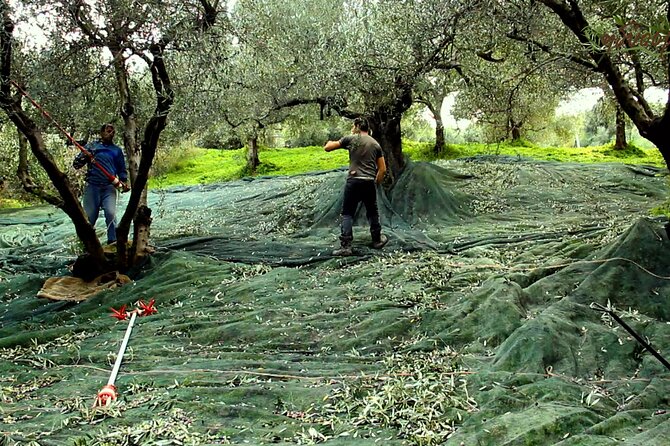
You also get a movie about what happens outside, which helps connect the “what you see in the production area” with the work that happens in the fields. Even if you only catch parts of the story, that structure makes olive oil easier to understand. It goes beyond taste and turns into “tree to bottle” logic.
What to look for during the tasting
Once you start sampling the olive oil, focus on the simple things:
- Aroma first, before you swallow
- That clean, peppery finish some oils have
- How the taste changes as your palate resets between samples
This tour gives you tips about the products at the end, so you are not left guessing. If you have ever bought olive oil and wondered why one bottle tastes sharp and another tastes mild, this is the kind of session that helps you think more clearly next time you shop.
A few more Crete days worth comparing
- Chania: Old Town Highlights Guided Tour with Street Food
★ 4.9 · 407 reviews - From Chania: Wine and Olive Oil Tasting Tour with Snacks
★ 4.8 · 354 reviews - Crete: Full-Day Cretan Wines, Olive Oil, Raki and Food Tour
★ 5.0 · 264 reviews - Olive Oil Tasting Tour
★ 5.0 · 195 reviews
Bee stories on Crete: beekeeping, hives, and the honey behind the flavor
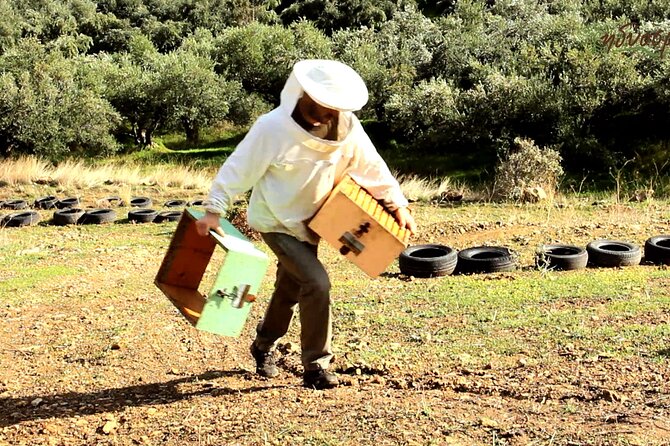
The honey half is not treated like an afterthought. You learn about bee hives and beekeeping in Greece, and the tour uses multiple sensory moments to make it stick. You listen to a story, you see parts of the core work on site, and you get smell exposure to nature’s scents in a way that sets up the tasting. The tour even uses imagery like sitting under old olive trees or imagining picking Cretan herbs in the rolling hills, because that is how honey and olive oil belong here.
Then comes the tasting lineup. You will experience the tastes of 8 different types of honey along with extra virgin olive oil. That number matters. Eight is enough variety that you can actually start noticing patterns, like how floral honeys differ from something deeper or darker, and how thickness and sweetness feel different in your mouth.
A practical tip for honey tasting
When you taste multiple honeys back to back, resist the urge to rate them instantly. Instead, treat each sample like a separate question:
- Does it smell light and bright or darker and heavier?
- Does it hit fast with sweetness, or linger with flavor?
- Does it feel sticky-thick or more fluid?
The host guides you through it, and the small-group setup helps you ask questions without feeling rushed.
The sensory format: listen, see, touch, smell, taste
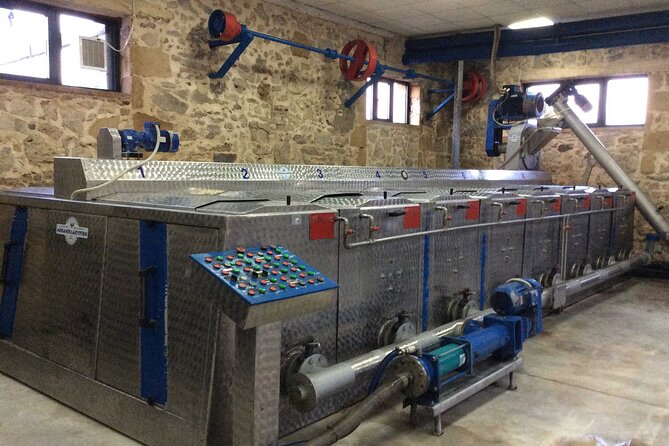
This tour leans hard into sensory learning. It is built around five modes:
- Listen to an engaging story from 1920 until now
- See the core production process on site, plus a movie tied to outdoor work
- Touch and enjoy the tour in small groups with hands-on moments
- Smell nature scents, so tasting feels connected to the landscape
- Taste and explore a flavor palette across the honey lineup and olive oil
That structure is not just fun. It is also practical. If you come in thinking you know what you like, this format often helps you understand why. You stop treating honey like one flavor and start recognizing it as a spectrum that depends on what the bees are collecting.
Tasting menu: what you actually get to eat and sample
The tasting is the payoff, and it comes with local foods that help you understand how to pair honey and olive oil.
The tour’s tasting includes:
- Starter: Honey tasting
- Starter: Extra virgin olive oil tasting
Based on what the tour experience includes, you can expect pairings such as:
- Bread (including local styles)
- Cheeses
- Yogurt
- Tomatoes
- Olives
- Additional local bites that show up as a mini spread
More than one review highlights that the food choices make this feel like an afternoon snack or mini meal, not a few ceremonial bites. The pacing is designed so you can taste at your own rhythm, not just chase the guide’s script.
Why the food pairings matter
Honey and olive oil can taste different depending on what you eat with them. Pairing changes sweetness perception, aroma lift, and how the finish sits in your mouth. That is why this tour is valuable even if you think you already know olive oil. The pairing is teaching you a skill you can use when you cook back home.
The guide factor: Mariana’s humor and teaching style
A short tour lives or dies by the guide, and here that is a major strength. Many people highlight the host, often named Mariana, as engaging and funny, with answers that match real curiosity. The explanations are pitched at a level that keeps you involved without turning into a lecture marathon.
That matters because this is a topic where people naturally have questions:
- How does cold pressed extraction influence flavor?
- What makes one honey variety taste different from another?
- How do beekeeping practices connect to the final product?
Because the group is small, you are more likely to get the answer you actually came for.
Small-group size, pacing, and one thing to watch
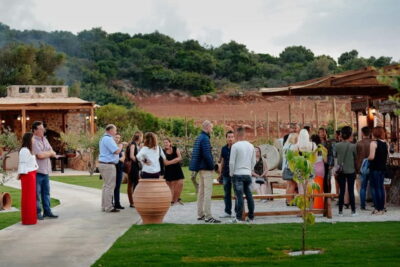
You get a maximum of 10 travelers, and that size is part of the reason the tour gets strong ratings. It helps with questions, helps with hands-on moments, and usually helps with the overall flow.
That said, one minor drawback shows up in the real world of groups: if the timing shifts because another group arrives, you might find the tasting part feels less guided than you expected. In most cases, you should still end up with plenty of food and samples, just be aware that the final spread is not a strict step-by-step lecture.
Value check: is $18.10 actually a good deal?
Here is how I think about it. At $18.10, you are paying for three things at once:
- A guided look at production (olive oil extraction plus beekeeping education)
- A genuinely generous tasting experience (8 honey types plus olive oil, with food pairings)
- Access to a working family producer, including the chance to buy directly
The big value point is not only the number of tastings. It is that you leave with better context. If you buy honey and olive oil without understanding differences, it can become a souvenir you do not fully use. After this tour, you are more likely to pick the right honey for the right use, and choose olive oil you actually enjoy.
Also, multiple reviews mention that purchases are easy because there is a store on site. The shopping experience is part of the value, since you can take your favorites home.
Timing, getting there, and how to plan your day
This tour ends back at the meeting point, and it runs about 1 hour. That makes it ideal as:
- A mid-day stop when the sun is strong
- A calmer break between a beach and a dinner plan
- A food-focused activity if you are not trying to pack in museums
You may also enjoy the countryside scenery on the way, and at least one review notes that the drive up to the farm is stunning. If you are coming from a port or another area and you do not want to figure out local transport, plan a simple ride option so you arrive relaxed.
A practical note: since the experience is offered in English, it is a good match for English speakers. One review suggests having solid English skills, which is worth taking seriously if you want to follow every bit of the storytelling.
Who should book this honey and olive oil experience
This tour is a strong match if you are:
- A foodie who wants to understand what you are tasting
- Interested in olive oil beyond flavor, like how extraction works
- Curious about beekeeping and honey variety
- Looking for a short, high-impact activity with a small group
- Traveling with teens or mixed-age groups, since the sensory tasting and simple pace can keep everyone engaged
It is not the best choice if you want a long, in-depth technical workshop or if you prefer attractions that are heavily focused on views and walking rather than tasting and guided explanations.
Should you book the Idiosmos honey and olive oil tour?
If you like tasting experiences with real context, I think you should book. This is a high-value, small-group stop with a family-led story, hands-on moments, and a tasting that includes 8 honey varieties plus their cold-pressed extra virgin olive oil, served with local foods. The standout factor is how much variety you get for the price, and how the guide keeps the session lively.
Only skip it if you dislike food tastings in general, you have zero interest in olive oil or honey, or you need a totally rigid, highly scripted “classroom style” pacing during the tasting.
If you do book, plan ahead, since it is popular and often scheduled about a couple of weeks out on average.
FAQ
How long is the honey and extra virgin olive oil tasting tour in Crete?
It runs for about 1 hour.
How much does the tour cost?
The price is $18.10 per person.
How many people are in the group?
The experience has a maximum of 10 travelers.
What language is the tour offered in?
The tour is offered in English.
What will I taste during the tour?
You will sample honey and extra virgin olive oil, including 8 different types of honey and tasting of extra virgin olive oil, with food pairings.
Where does the tour start and end?
It starts at Idiosmos Extra Virgin Olive Oil & Honey Tour & Taste in Pervolakia 734 00, Greece, and ends back at the meeting point.
Is the tour suitable for most people?
Most travelers can participate. Service animals are allowed.
Is weather a factor?
Yes, the experience requires good weather. If it is canceled due to poor weather, you will be offered a different date or a full refund.
What is the cancellation policy?
You can cancel for a full refund up to 24 hours before the experience starts. If you cancel less than 24 hours before, the amount paid is not refunded.
Fresh options around Crete
- Island Spinalonga, Milatos Cave, Speedboat, OliveTasting★ 4.6 · 17 reviews
- Lasithi Plateau & Zeus Cave: Myths and Villages Tour★ 5.0 · 13 reviews
- Heraklion: Self-Driving 4X4 Jeep Off-Road Tour with Lunch★ 4.6 · 26 reviews
- Samariá Gorge Hike: Day Excursion from Chania★ 4.4 · 49 reviews
- Rethymno: Balos &Gramvousa Day Trip With/Without Boat Ticket★ 3.5 · 17 reviews
- Rethymno: Old Town Segway Tour★ 4.9 · 39 reviews
- From Rethymno: Lake Kournas and Villages Full-Day Tour★ 4.4 · 45 reviews
- Knossos Palace Guided Walking Tour (Without Tickets)★ 4.6 · 32 reviews
Olive Farm Tours, compared.
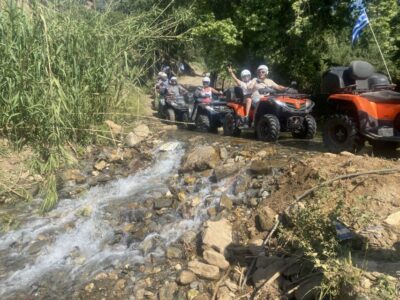
Quad Safari, Olive Mill with Tasting & Ghost Village
Read our review →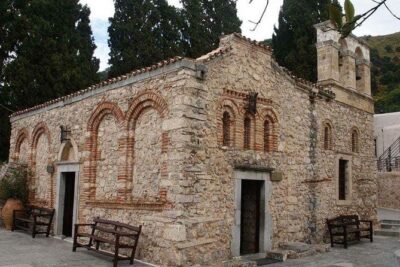
Zeus Cave -Old Traditional Villages-Olive Oil Factory
Read our review →
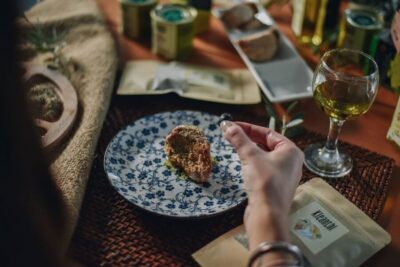
Olive Farm Tour with Tasting of Local Delicacies
Read our review →
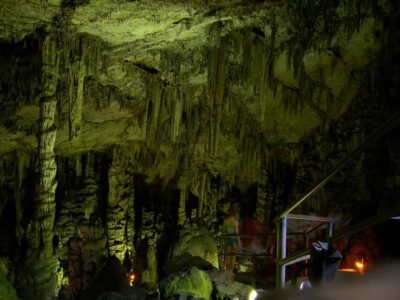
Zeus Cave, Lassithi Plateau, Olive Oil Factory, Kritza, Pottery
Read our review →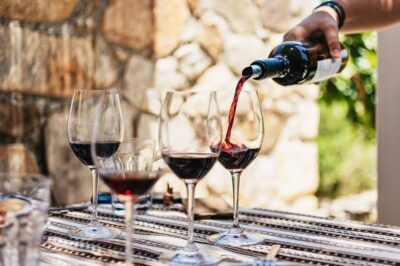
Knossos, Lasithi, Lasinthos and Olive Farm Combo Tour
Read our review →Browse the lists this tour appears in