
Reviewed · SCUBA DIVING
Research diving with a Marine Biologist in Crete
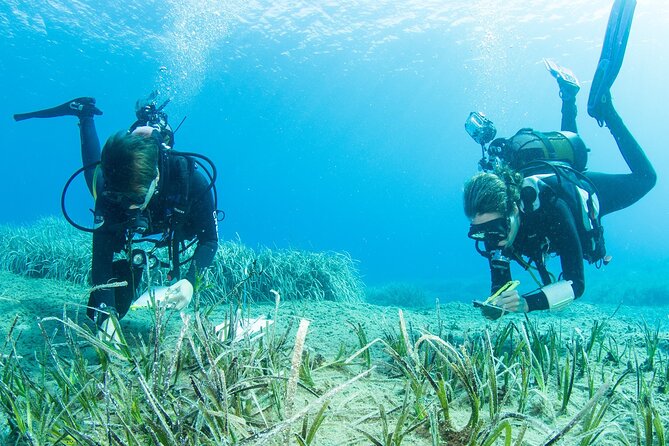
Research scuba with a marine biologist on Crete is interesting because you are not just looking at fish. You are learning how scientists study the Mediterranean sea in real time, then helping collect data that people can use later. I like that the day is built around a marine biologist guide and a citizen-scientist style approach, not a scripted sightseeing route.
My second favorite part is the small group format, so you get time to ask questions and you do not feel rushed. Then you top it off back at the field station with an open-air lab moment, including microscopes. One consideration, though, is that this is for certified scuba divers only, so if you are not already qualified, you will need to look for a different program.
Key Highlights You’ll Actually Care About
- A marine biologist-led day, with briefings that explain what you might see and how researchers collect data
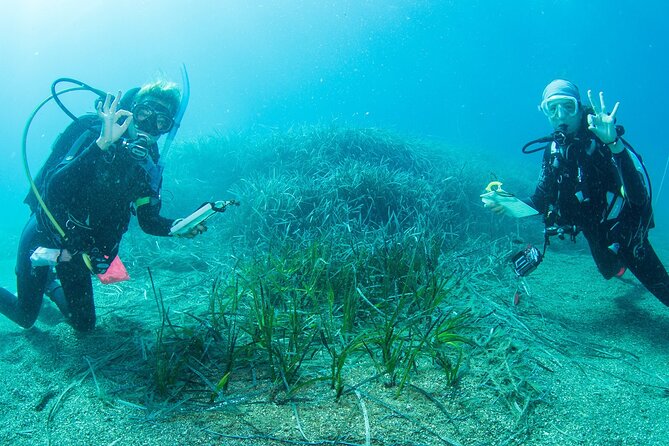
- Max 4 divers in your group, so you get coaching and attention
- Two underwater research sessions (for certified divers), tailored to your scuba level and interests
- On-site microscopy in an open-air lab, after you collect samples
- Hands-on science activities such as sediment sampling and species recognition-style learning games
A Marine Biologist Day on Crete, Not a Usual “See the Reefs” Trip
If you want your Crete scuba day to feel like something more than ticking a “pretty water” box, this is a smart fit. The whole structure is designed around a simple idea: you learn the biology first, then you do the fieldwork, then you review what you found.
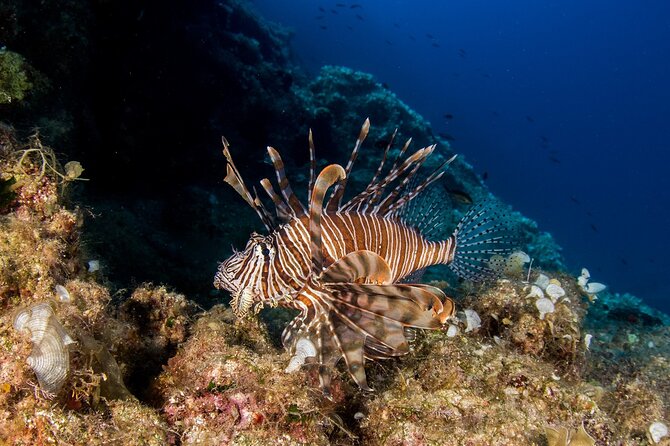
The biggest value for me is the mix of in-water learning and lab-style follow-through. A lot of scuba experiences stop when you surface. Here, the day keeps going, so you leave with a clearer mental map of what lives in the Mediterranean and how scientists spot, measure, and document it.
Also, the team matters. In the reviews, you see names like Vanessa, Martina, Marie-Clarie, Kirsten, and Katy. That matters because marine biology needs good communication, not just good equipment. You can tell from the way the program is described that the biologists spend time explaining the methods, not just pointing out species.
More dive trips in Crete:
- Heraklion: Scuba Diving Experience for Beginners _Beach
★ 4.7 · 549 reviews - Heraklion: Beginner Scuba Diving Lesson with PADI Instructor
★ 4.9 · 355 reviews - Heraklion: Scuba Diving Experience for First-Timers
★ 4.8 · 203 reviews
Price and Value: What $308.58 Covers (and What Doesn’t)
At $308.58 per person for about a one-day program, you are paying for more than two underwater sessions. You’re paying for a guided science day that includes specialized marine biology gear, scuba equipment, and microscope time at the field station.
Here is what is included:
- bottled water
- use of scuba equipment
- specialized marine biology equipment
- microscope use in the open-air marine biology lab
And here’s what you should plan for:
- lunch is not included, though there is a beach taverna option you pay for separately
- underwater photos are extra, listed at 19 euros
So is it good value? For me, it reads like a fair price when you factor in the “whole package” approach. Many scuba offerings charge separately for equipment, guiding, and any sort of structured learning. This one bakes in the biologist-led briefings and the lab component, which is the part most people never get to do.
If you know you want that lab-to-underwater connection, you are likely to feel like the day earns its cost.
How the Day Runs: A Realistic Morning Start and a Full Feedback Loop
The day starts at 8:30 am at the 5-star PADI scuba school and marine field station in Plakias (Eleftheriou Venizelou, Myrthianos Plakias 740 60). You return there at the end, which makes your day feel organized instead of chaotic.
Because the program is private and made for a small group, the schedule is typically set up to reduce waiting around. You get briefings, then you head out to the water for two separate underwater research sessions. Between those, your guide can adjust based on what you want to learn and your scuba comfort level.
One smart detail is the sequencing. You start with education and methods, then you practice them in the water, then you debrief and examine samples with microscopes. That loop is what turns “cool animals” into actual understanding.
Stop 1, Souda Beach: Choosing a Biome and Getting Your Brain Ready
Souda Beach is the first stop, and that matters because your day’s theme can shape what you notice. The program is described as tailored to the group’s chosen underwater biome, so your briefing is not generic.
Before you head in, the marine biologist guide sets expectations. You learn interesting facts about the flora and fauna you might encounter, plus how research-minded divers collect information. In one review, the course was described as having presentations that explained research methods and which species could be found in the area. That is the kind of prep that makes your in-water time more satisfying.
What to expect in practice:
- a briefing that connects the biology to what you will do next
- guidance that matches your scuba level and experience
- time to listen, then apply what you learned
The one drawback with a program like this is also the trade-off. If you want a purely laid-back “just float and point” day, a science-focused setup will ask more of your attention. You will be taking notes and thinking as you go, because that is part of the data-collection role.
Same stretch of Crete, a different kind of day:
- Crete: Day Trip to Agios Nikolaos and Spinalonga Island
★ 4.6 · 4,416 reviews - Agios Nikolaos: Boat Trip to Spinalonga with Swim Stop
★ 4.4 · 3,031 reviews - Crete: Knossos Palace Entry Ticket with Optional Audio Guide
★ 3.9 · 2,251 reviews - From Chania: Day Trip to Elafonisi Island Pink Sand Beach
★ 4.5 · 2,014 reviews
Stop 2, Plakias: Two Underwater Research Sessions for Certified Divers
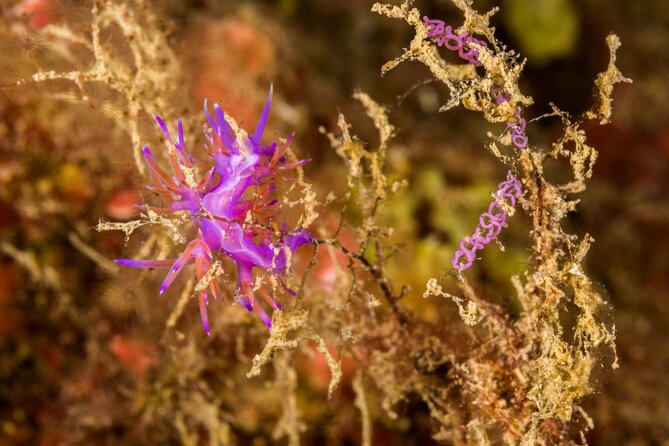
Plakias is where you continue the day, and the program is structured as two underwater sessions total for certified scuba divers only. This is important, because the day assumes you already know basic scuba control and comfort in the water.
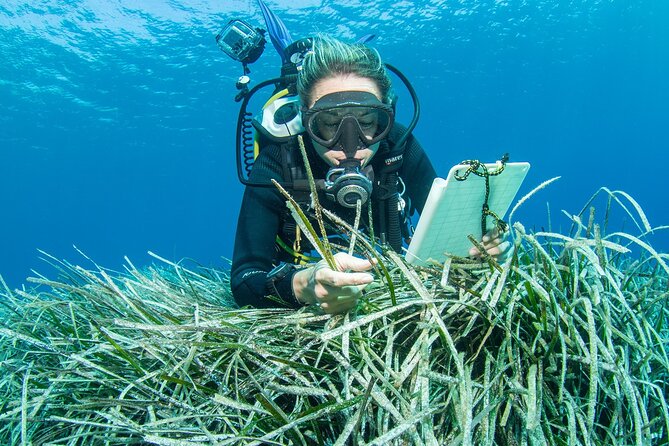
In the reviews, you also see a couple of different “science flavors,” which tells me the biologists can tailor the experience. One person described a second day focused on getting into real biologist work by collecting sediment samples, then analyzing them afterward in the field lab. Another review mentioned a seagrass research day and a lab session afterward to discover a microscopic ecosystem in the seagrass.
So even if your day is not specifically branded as seagrass research, the takeaway is the same: you are doing more than watching. You are participating as a citizen scientist, helping gather data and observe organisms in a structured way.
You can also expect learning that feels playful, not just technical. In one account, there was an underwater notes component and a recognition game on which species were seen. That is a great style for people who get nervous about “testing” in the water, because it turns identification into something you do with your brain, not a quiz you pass or fail.
Back at the Field Station: Microscopes, Samples, and a Proper Debrief
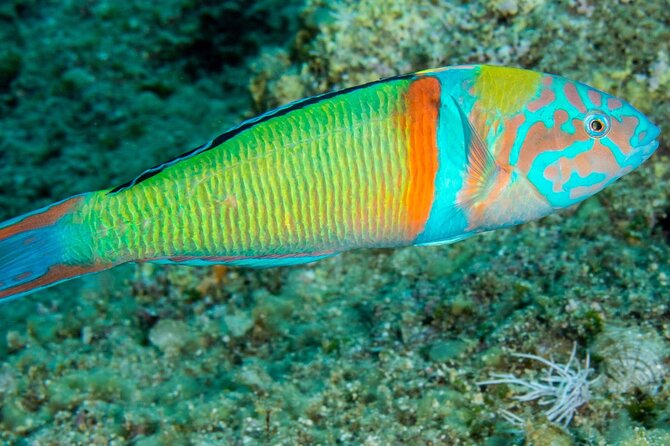
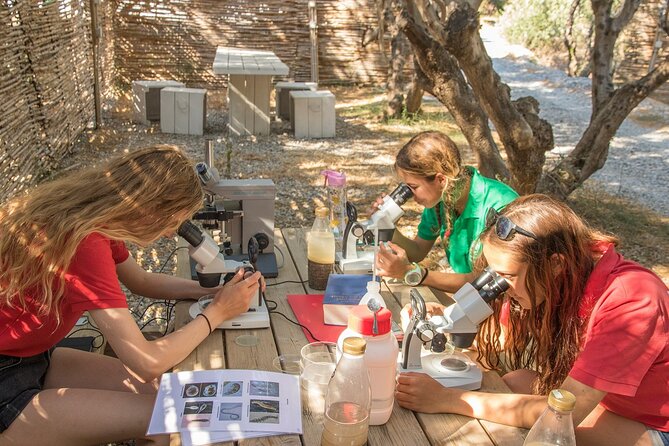
The best “wait, it keeps getting better” moment of the whole day comes back on land. After your two underwater sessions, you debrief what happened and what you learned. Then you look at your collected samples under microscopes in the open-air marine biology lab.
This part changes how you remember the experience. Instead of only recalling the big, obvious fish and rocks, you start thinking about what lives in the fine details, like sediment-associated life and seagrass ecosystems. One review specifically mentioned discovering a cool microscopic ecosystem after a seagrass-focused set of activities.
In practical terms, this is what you are likely to take away:
- you understand what you collected and why it matters
- you see organisms at a scale you cannot get underwater
- you connect the in-water observations to a lab explanation
And yes, the team feels like educators. Reviews describe an informative atmosphere and marine biologists leading sessions with care. The names mentioned earlier, Vanessa, Martina, Marie-Clarie, Kirsten, and Katy, come up as people who organize and teach in a way that feels welcoming, even for people who are new to this style of marine biology.
Who This Is For (and Who Might Prefer Something Else)
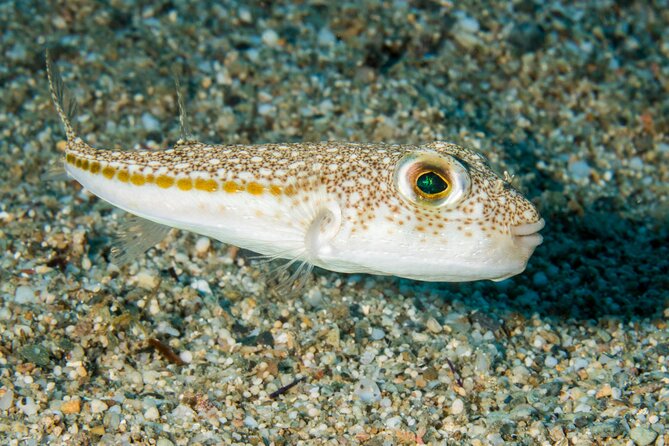
This is built for people who already have scuba certification and want more than scenery. If you are comfortable underwater, enjoy asking questions, and like the idea of structured learning, you will probably have a great time.
It is also a good match if you:
- want a small-group experience, with up to 4 divers
- like a guide who explains methods and not only species names
- enjoy citizen-scientist work, like collecting samples and contributing to education and protection efforts
The day also mentions moderate physical fitness and being healthy and fit for scuba diving. If that part applies to you, great. If not, you should skip this and look for a less physical or non-scuba alternative.
Gear, Photos, and the Little Details That Affect Your Day
You do not need to bring scuba equipment. The program includes use of scuba gear, plus specialized marine biology equipment. You do get bottled water as well, which sounds small but helps on a long field day.
Two practical cost notes:
- lunch is not included. There is a plan to eat at a taverna on the beach, but you pay for it separately.
- photos are optional. The guide will take underwater photos, but you can purchase them separately for 19 euros.
If you care about photos, this is good to know in advance so you can decide on the spot based on how many images you want.
Also, the program offers English. If you want instruction in English, this removes a big uncertainty.
Value Check: What Makes This Experience Worth Your Time in Crete
Plenty of scuba days give you a good look at underwater life. This one adds something rarer: you get the why and the how.
Here is why that matters for real life:
- You leave with clearer species awareness because you learned before seeing.
- You understand the research logic behind collecting samples, not just the act of collecting.
- You get a lab look at what your observations actually relate to.
And for people who like structure, this day has it. You have two underwater sessions, then a debrief and microscope work, all led by trained marine biologists. That is a full “learning-to-application-to-review” loop.
Should You Book This Marine Biology Day in Crete?
Book it if you meet the key conditions: you are a certified scuba diver, you want an educational day guided by marine biologists, and you like small-group attention. You will probably enjoy it even more if you like hands-on science tasks like sediment sampling, note-taking, and species recognition games.
Skip it if you want only a relaxed, low-brain-load water outing. Also skip if you cannot do scuba right now. The program is not positioned as a try-scuba experience.
If you are on the fence, here is the decision shortcut I would use: if the idea of leaving with microscopes and real research-style sampling sounds exciting to you, you will likely feel the $308.58 is money well spent.
FAQ
Is this experience only for certified scuba divers?
Yes. The program is for certified divers only, and the schedule includes two underwater research sessions.
How many people are in the group?
It is a private activity with a maximum group size of 4 divers, and only your group participates.
What’s included in the price?
The included items are bottled water, use of scuba equipment, specialized marine biology equipment, and microscope use in the open-air marine biology lab.
What are the main extra costs?
Lunch is not included, and underwater photos can be purchased separately for 19 euros.
Where is the meeting point and when does it start?
The start is at 8:30 am at the 5-star PADI scuba school and marine field station on Eleftheriou Venizelou, Myrthianos Plakias 740 60, Greece. The activity ends back at the meeting point.
What if I need to cancel?
Free cancellation is available up to 24 hours in advance of the experience start time for a full refund. If you cancel later than that, the amount paid is not refunded.
Fresh options around Crete
- Private tasting of 6 cretan wines in Fres village, Chania★ 5.0 · 4 reviews
- Off-road Buggy Safari in Crete with a Guide★ 4.5 · 16 reviews
- Semi Private Wine Tour of 2 wineries with Transfer and Lunch★ 4.0 · 15 reviews
- Wine Tasting in Rethymno★ 5.0 · 21 reviews
- Cretan Delights – Wine, Olive Oil & Cooking Workshop from Chania★ 5.0 · 25 reviews
- LUXURY PRIVATE Wine Tasting in CRETE (also for CRUISE SHIPS)★ 5.0 · 7 reviews
- Heraklion Private Half-Day Wine Tasting Tour in Lyrarakis Winery★ 5.0 · 7 reviews
- 2-Hour Wine Tasting & Food pairing in Rethymno, Crete, Greece★ 5.0 · 11 reviews
Scuba Diving, compared.
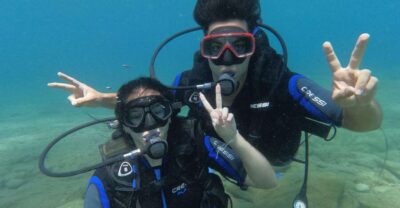
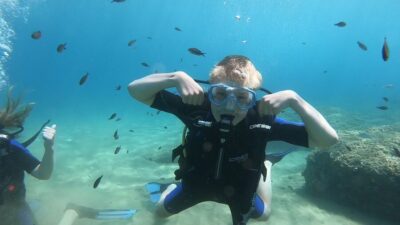
Beginner Scuba Diving Lesson with PADI Instructor
Read our review →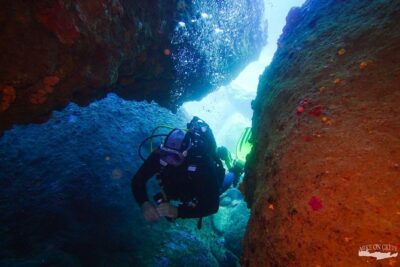
Chania: Snorkeling & Scuba Dive for Beginners by Boat
Read our review →
Browse the lists this tour appears in