
Reviewed · COOKING CLASSES
Cretan Traditional Cooking Lessons
A cooking class sounds simple, but this one feels like you’re getting invited into a real Cretan farmhouse routine, just at a fun time of day. I love the small-group setup and the fact that you’re not just watching, you’re working alongside the hosts. It’s near Chania, with hotel pickup, and it ends with a full meal you helped make.
The other big reason I like it is the focus on everyday Cretan food. You get hands-on practice plus olive oil insights, including tasting and explanations of how things are made locally. If you’re curious about how the Cretan diet actually works, this teaches the logic, not just the recipe.
One possible drawback to plan for: it starts at 4:30 pm and runs about 5 hours, so it’s an evening commitment, not a quick after-dinner snack. Wear your comfy shoes and clear your schedule for the whole block.
Key highlights to know before you go
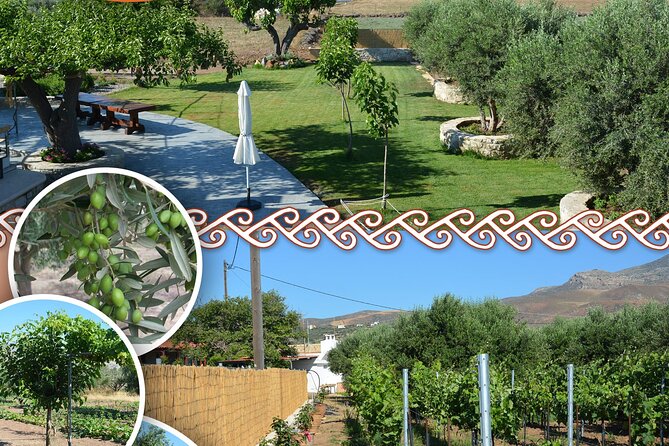
- Metochi farmhouse setting near Chania: a family-run place, not a crowded studio kitchen
- Up to 14 people: smaller feels friendlier, and you get more hands-on time
- Family-led cooking: you’ll learn dishes and how the ingredients fit Cretan life
- Olive oil tasting and olive-oil education: you’ll hear how it all comes together
- You eat what you cook: dinner is built from the dishes you prepare together
A Cretan farmhouse cooking class near Chania that actually feels local
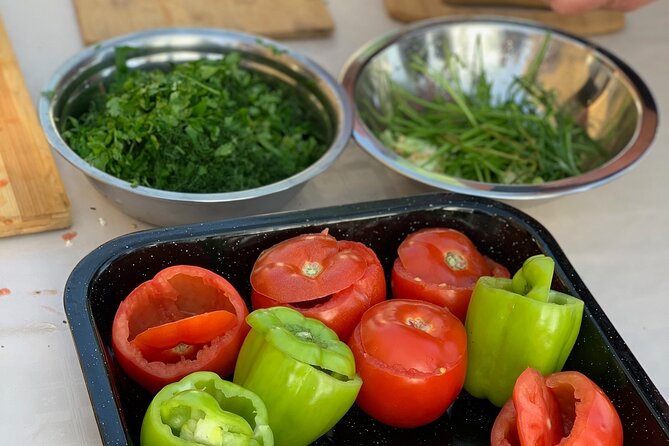
What makes this experience worth your time is the setting and the pace. You’re guided to a small farmhouse, you cook together, and then you sit down as a group to eat the results. There’s a clear rhythm to the evening, and it never feels like a rushed “demo then go” setup.
I especially like that the teaching is practical. The lessons aren’t only about measurements. They’re about why Cretan cooking leans the way it does, with olive oil and local ingredients shaping the whole approach. That matters because once you understand the logic, you can recreate more of it back home.
And yes, you’ll end up with a very full table. The menu includes baked, stuffed, braised, and fresh components, plus sweets, so you get variety without needing to plan anything else that night.
More Cretan cooking classes in Crete:
- Chania: Authentic Cooking Class in the White Mountains
★ 4.9 · 529 reviews - The Real Cretan Cooking Experience
★ 5.0 · 528 reviews - Chania Cooking Class-The Authentic Enjoy traditional Cretan meal
★ 5.0 · 339 reviews
Getting there: pickup, the 4:30 pm start, and Metochi farmhouse logistics
This class starts at 4:30 pm, and you’ll meet at Metochi farmhouse, Trachilos Trachilos, Chania 734 00, Greece. If you’re staying in the Chania area, you can arrange hotel pickup in an air-conditioned vehicle, which is a real comfort when you’re making it to an evening activity.
Timing is the key thing to understand. Because it’s about 5 hours, you should treat it as your main event for the afternoon and evening. Plan to eat a light lunch, or you’ll feel stuffed before dinner even begins.
Pickup details are handled by the operator. They ask you to send the hotel name or the address of your house, and they’ll find the best pickup point for you. It’s a simple system, but do yourself a favor and send the info promptly once you book.
Meeting Eleni and her mother at the farmhouse
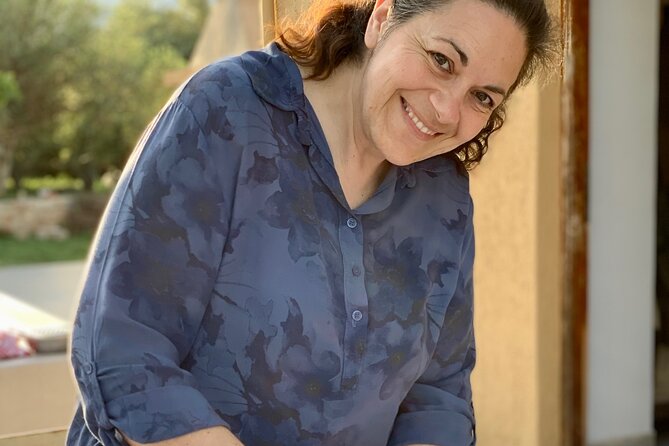
The hosts make a difference here. Eleni leads the class, and her mother, Mrs Chrisoula (often called Mom), is part of the welcome and hosting. The vibe is warm and family-centered, the kind where you’re encouraged without feeling put on the spot.
From the moment you arrive, the evening has a “we’ve got you covered” feeling. The hosts prepare everything so you can jump into cooking without hunting for tools or waiting around. And because you’re at a real farmhouse, the setting supports the lesson, you’re not just learning recipes while trapped in a sterile space.
One of the nicest parts is that the experience isn’t only cooking. You also get to learn about the property and what the family grows and produces. The result is that the food ends up feeling like part of a living place, not just a meal on a plate.
What the class day actually looks like (cook, learn, taste, eat)
You can think of the evening as four parts: arrive, cook, learn about food culture, then share dinner.
First, you get guided to the small farmhouse. Then the group cooks together, with instruction focused on the dishes on the menu. You’ll work through multiple recipes, so you’ll see how different Cretan flavors show up across the meal.
While you’re cooking, you’ll also get useful information about olive oil and the Cretan diet. This isn’t vague talk. The hosts explain processes and how ingredients are used in a way that connects everyday choices to the final taste.
There’s also time for farm-style learning. In addition to the cooking, you’ll get a farm tour and an olive oil tasting. Some evenings also include explanations related to local production, including how the family handles wine as part of the broader food-and-farm story. If you like food culture that’s tied to real work, this is the best part.
Finally, when everything is ready, you eat together. Dinner is not a separate restaurant stop. It’s the meal made during the lesson.
A few more Crete days worth comparing
- Heraklion: Beginner Scuba Diving Lesson with PADI Instructor
★ 4.9 · 355 reviews - Cretan Cooking Class and Olive Oil Tasting
★ 5.0 · 178 reviews - Moires: Cooking Class and Olive Oil Tasting at a Family Farm
★ 5.0 · 93 reviews - Crete: Sightseeing Day Trip with Cooking Lesson and Lunch
★ 4.8 · 77 reviews
Cooking highlights: boureki, gemista, stifado, and the starters that set the tone
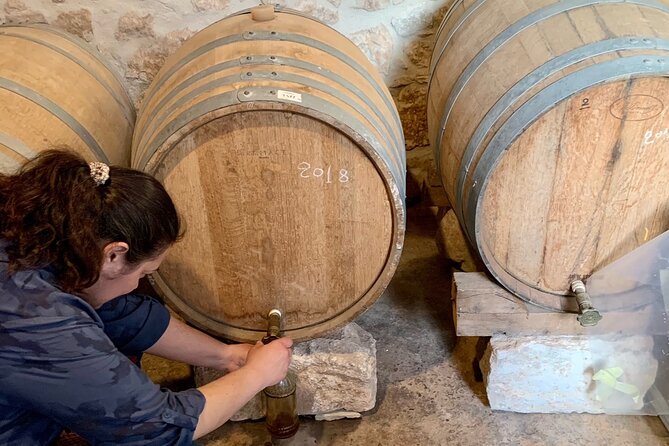
The menu is built to teach you how Cretan flavors work across different cooking styles. You’re not just making one dish. You’ll likely touch several dishes and learn how they connect.
Here are the main dishes you can expect to make:
- Boureki: zucchini with potatoes and cheese in the oven
This is the comfort-food kind of dish, with a baked format that turns simple vegetables into a satisfying casserole-style meal.
- Gemista: stuffed tomatoes and peppers
Stuffed vegetables are a classic reason Cretan meals feel generous. You’ll learn how fillings and bake time create the soft, sweet-savory balance.
- Stifado: pork meat with onions and tomato sauce
This brings the heavier, slower-food side of the table. Onions and tomato do a lot of the work, so the flavor is deep without needing fancy ingredients.
Then come the starters, which are the meal’s foundation:
- Ntolmadakia: rolls with vine leaves and rice
This is where you learn how small ingredients become big flavor when they’re rolled and cooked properly.
- Tzatziki
A fresh, cooling counterpoint that helps the cooked mains feel even better.
- Dakos: rusk with local cheese and tomato
This is a texture experience as much as a flavor one, and it helps you see how “simple pantry items” become a meal in Crete.
Dessert rounds it out with the sweets the area does well:
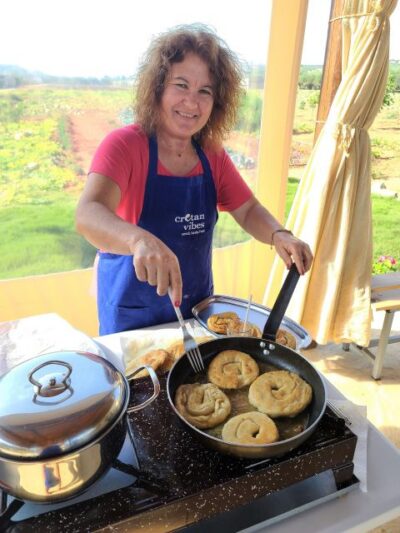
- Kalitsounia: small cheese pastries served with honey
- Another kalitsounia version with greens
This dessert approach matters because it shows how similar dough and shape can become different flavor directions, depending on the filling.
The olive oil lesson: tasting, sustainability, and why it matters for cooking
Olive oil is the headline here, and it’s not just a background ingredient. You’ll get olive oil tasting plus explanations about how olive oil is made. You’ll also hear about sustainable practices connected to the family’s farm routines.
Why I think this part is valuable: once you taste and learn, you start cooking with intention. Even if you never press olives yourself, you’ll better understand why Cretan dishes lean the way they do, and why olive oil shows up in so many steps, not only at the end.
The Cretan diet part also helps you avoid the trap of thinking these recipes are only about tradition as a concept. Instead, you see it as an approach to meals built on what’s available, what keeps well, and what tastes right together. That makes the lesson easier to repeat later.
Dinner as a group meal, what to expect from the table
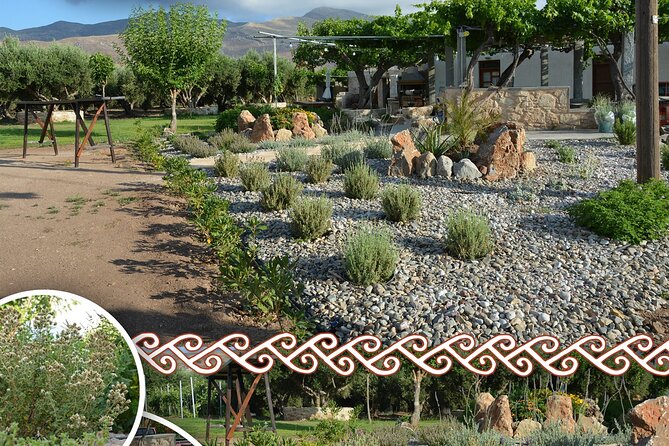
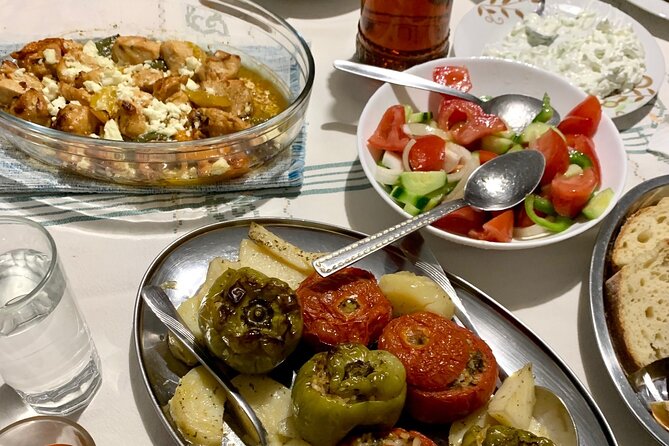
The ending is dinner with the dishes you prepared. You’ll sit down with the group and share what’s been made, which turns the cooking lesson into a full food experience rather than a class you leave before eating.
Because the menu is varied, dinner feels like a complete tour of Cretan comfort: baked casseroles, stuffed vegetables, a braised or saucy main, plus cooling sides, hearty starters, and sweet pastries.
Also, since it’s a maximum of 14 travelers, the table tends to feel like a shared evening rather than an assembly line. You’re more likely to have space for conversation and questions, especially about ingredients and cooking technique.
If you’re the type who learns best by doing, this format is ideal. You don’t just hear instructions. You handle ingredients, see how things change during cooking, and then eat the result.
Price and value: what you’re paying for at $132.17 per person
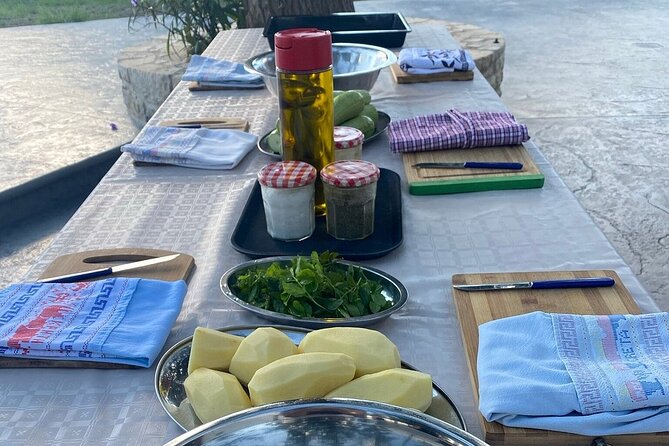
At about $132.17 per person for roughly 5 hours, you’re not paying only for recipes. You’re paying for a full evening meal, instruction in a small group, and the added comfort of hotel pickup in an air-conditioned vehicle.
For me, the best value signals are these:
- You cook multiple dishes, not one
- You eat what you make, so you’re getting a real meal experience
- You get olive oil tasting and farm-style education, not just a kitchen lesson
- The group size cap keeps the experience from turning into a crowd event
It’s also worth noting that this is often booked about 27 days in advance on average, which hints at demand. If you want a specific date, lock it in earlier rather than hoping for the last-minute slot.
One more practical thought: the confirmation happens within 48 hours of booking, subject to availability. So if your schedule is tight, don’t wait until the night before.
Who this cooking lesson is best for (and who should skip it)
This experience is a great fit if you want:
- A hands-on Cretan cooking class near Chania
- A small-group setting where you can actually participate
- A meal that’s more than dinner, you want context, like olive oil and the Cretan diet
It’s also good for people who prefer personal hosting over big tours. Eleni and Mrs Chrisoula set a warm tone that suits anyone who likes to ask questions and learn through doing.
You might want to skip it if you’re looking for something very fast. The start time is 4:30 pm and it lasts around 5 hours, so it’s not a quick stop.
If you have dietary needs beyond what’s typically shared, the menu is clearly defined, but your exact needs aren’t listed here. In that case, it’s smart to ask before you book so you know how your meal will be handled.
Should you book this Cretan Traditional Cooking Lessons near Chania?
Yes, you should book it if you want an evening where food culture shows up in the most practical way possible, through cooking, olive oil tasting, and a family-led meal you eat right after making it. The small-group size, the farmhouse setting near Chania, and the full menu across starters, mains, and dessert make it feel like a complete experience rather than a single-dish workshop.
Book it particularly if you’re the kind of traveler who likes to understand ingredients, not just collect photos. You’ll leave knowing more about olive oil, the Cretan diet, and how multiple recipes connect on one table.
Just be honest with your schedule. This is a 4:30 pm, about 5-hour plan. If that fits your day, it’s a smart, satisfying value play.
FAQ
What time does the cooking class start?
The experience starts at 4:30 pm.
How long is the cooking class?
It lasts about 5 hours (approximately).
Is pickup included, and where does it start?
Pickup is offered from hotels via an air-conditioned vehicle. The meeting point is Metochi farmhouse, Trachilos Trachilos, Chania 734 00, Greece, and the activity ends back at the meeting point.
How many people are in the group?
The maximum group size is 14 travelers.
What language is the class offered in?
The cooking class is offered in English.
Is the cost tied to a meal?
Yes. The experience includes cooking together and then dinner with the dishes prepared earlier, including items like boureki, gemista, stifado, starters such as ntolmadakia and tzatziki, and desserts such as kalitsounia.
Can I cancel for a full refund?
Yes, you can cancel up to 24 hours in advance for a full refund. If you cancel less than 24 hours before the start time, the amount paid is not refunded.
Fresh options around Crete
- Semi Private Wine Tour of 2 wineries with Transfer and Lunch★ 4.0 · 15 reviews
- Private tasting of 6 cretan wines in Fres village, Chania★ 5.0 · 4 reviews
- Off-road Buggy Safari in Crete with a Guide★ 4.5 · 16 reviews
- Wine Tasting in Rethymno★ 5.0 · 21 reviews
- Cretan Delights – Wine, Olive Oil & Cooking Workshop from Chania★ 5.0 · 25 reviews
- LUXURY PRIVATE Wine Tasting in CRETE (also for CRUISE SHIPS)★ 5.0 · 7 reviews
- Heraklion Private Half-Day Wine Tasting Tour in Lyrarakis Winery★ 5.0 · 7 reviews
- 2-Hour Wine Tasting & Food pairing in Rethymno, Crete, Greece★ 5.0 · 11 reviews
Cooking Classes, compared.
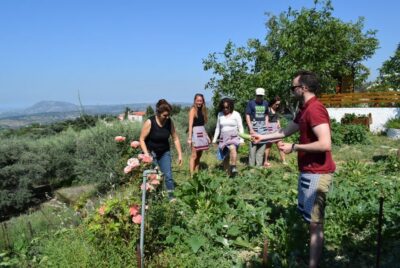
Authentic Cooking Class in the White Mountains
Read our review →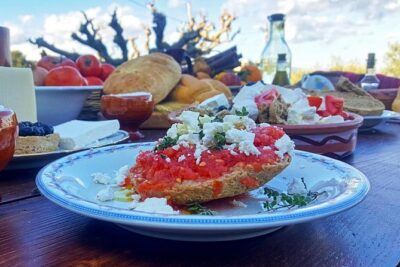
Chania Cooking Class-The Authentic Enjoy traditional Cretan meal
Read our review →
Cooking Class and Olive Oil Tasting at a Family Farm
Read our review →
Sightseeing Day Trip with Cooking Lesson and Lunch
Read our review →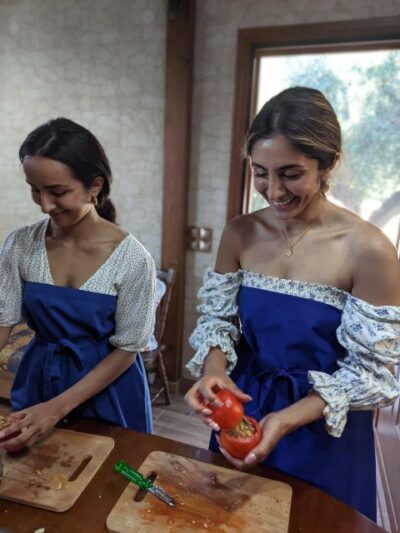
Browse the lists this tour appears in