
Reviewed · COOKING CLASSES
Rethymno: Traditional Cooking Class in a Cretan Village
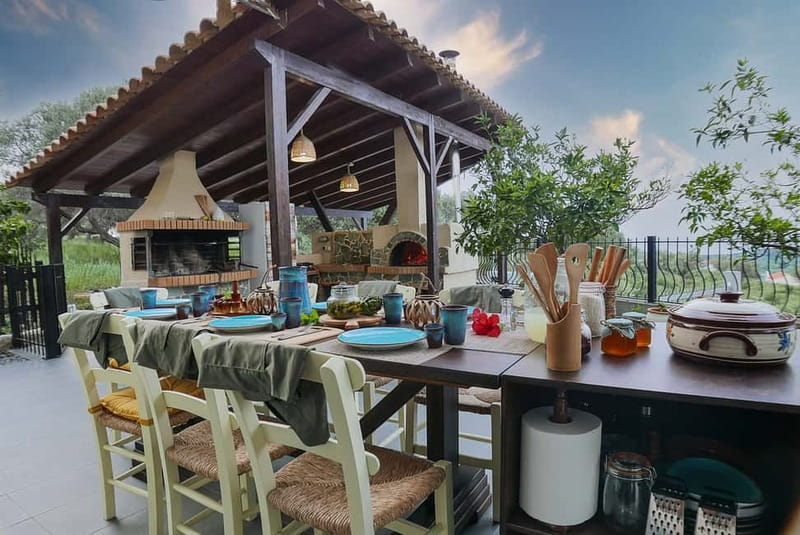
A traditional cooking class in a Cretan village home is interesting for one simple reason, you cook the food in the same kind of setup locals use at home. I especially like the wood oven part, because it gives real Cretan flavor and texture, not just a lesson. And I love that you cook with the guidance of Chrysoula, who makes the whole evening feel personal, not staged.
The one thing to consider is that this is a meal you should plan for. You are going to eat a starter, a main, and a dessert, plus drink local wine and raki, so book it as your food event, not as a quick pre-dinner stop.
Key reasons this class is worth your time
- Wood oven cooking that turns recipes into a real skill, not just watching someone else work
- Farm-fresh ingredients sourced from the host’s family farm or local farmers
- A full menu covering starter, main, and dessert, with specific dishes you will actually make
- Helpful adaptation for dietary needs like vegetarian options and allergies
- Warm, family-style hospitality with English guidance and plenty of conversation
- Expect to leave full, especially after the raki later in the meal
A Cretan village home, not a cooking show
This experience works because it happens where the food culture actually lives. You arrive at a family home in a Cretan village setting, and you get pulled into the rhythms of cooking there. The garden setting, the view, and the wood-fired oven help set the mood, but the real payoff is hands-on cooking with someone who actually grew up with these recipes.
You’ll be guided in English, and the teaching style feels relaxed and interactive. You get time to ask questions, compare techniques, and taste along the way. That matters, because Cretan cooking is not only about ingredients. It is about simple decisions, like how to balance herbs and acidity, how to handle stuffing and layering, and how to time bakes so things come out ready to eat.
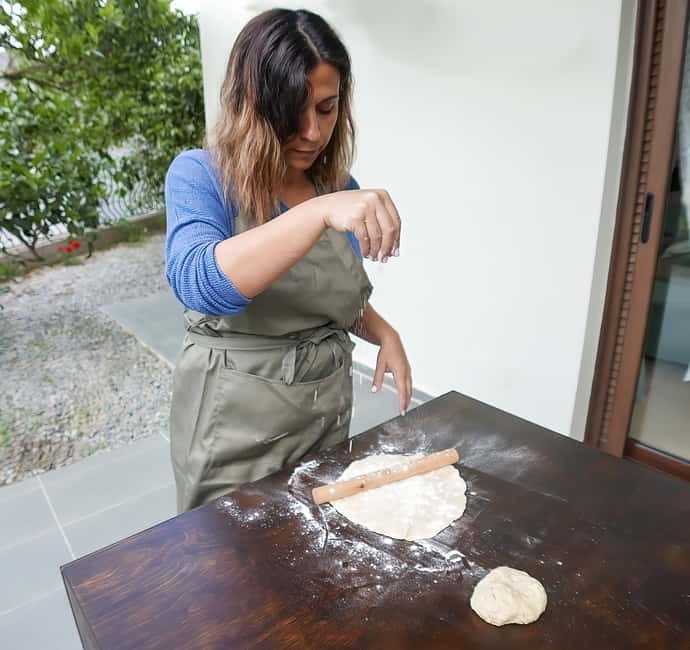
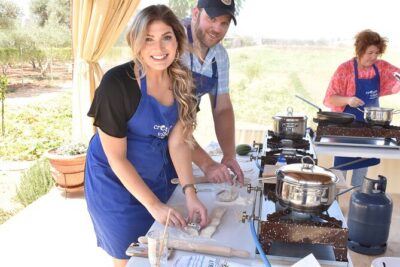
You should also know that this is not a class where you barely touch food. You cook, you bake, you taste, and then you sit down to eat what you made.
More Cretan cooking classes in Rethymno:
- Rethymno: Authentic Cooking Class with a Local
★ 4.8 · 23 reviews - Dining In Rethymno: An Evening Of Cretan Cooking
★ 4.9 · 12 reviews - Chania: Authentic Cooking Class in the White Mountains
★ 4.9 · 529 reviews
First tastes: coffee, lemonade, and olive oil treats
Before you head into the hands-on part, you start with Greek hospitality. You’ll typically get Greek coffee or herbal tea, plus homemade lemonade. There are also small local bites that set the tone, including ladokouloura, little rolls made with olive oil, and loukoumakia.
This early part is more than snacking. It helps you settle in, meet other people in the class, and start learning in context. When someone tells you how to make a Cretan dish, it lands better when you already tasted the kind of flavors the meal is aiming for. And it helps that the hosts keep the vibe friendly and fun, with plenty of laughter during the process.
One practical tip I’d take from how this class runs: don’t show up planning to be picky. Even the early bites lean local and homemade. Come hungry, and give yourself permission to eat.
Your ingredient game plan: farm sourcing you can taste
The best cooking classes teach technique, but the best Cretan classes also teach you why the ingredients matter. Here, many items come from the host’s family farm or local farmers, and only some staples come from stores.
That “local sourcing” isn’t marketing fluff. It shows up in the flavor of things like tomatoes and herbs, and it changes how sauces taste. It also makes the learning feel practical. When someone says use good olive oil or fresh herbs, you are not just being told what sounds correct, you can taste the difference.
The way the class is structured also helps. You learn recipes as you go, rather than receiving a stack of instructions and hoping you remember them. You’ll see how ingredients work together in starters, then you’ll move into the heavier dishes, and finally you’ll finish with dessert.
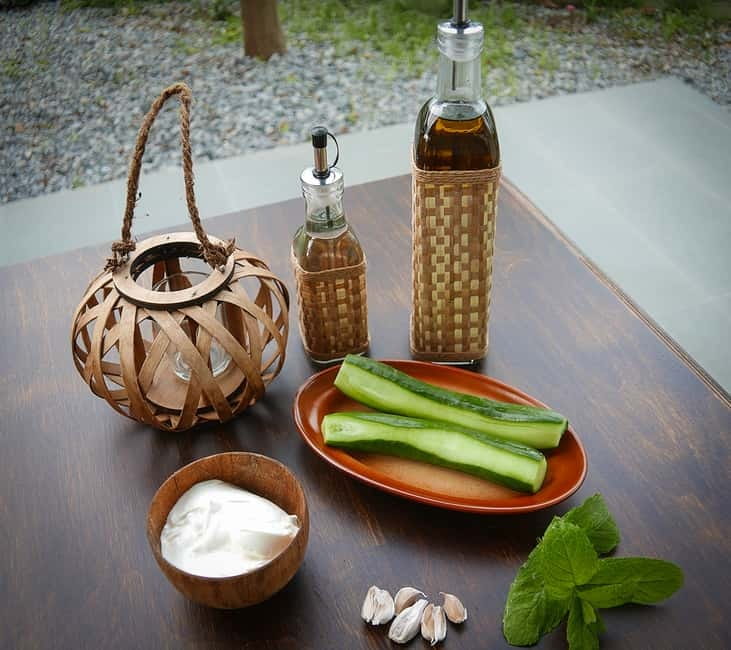
Dakos, tzatziki, and Greek salad: the starter skill set
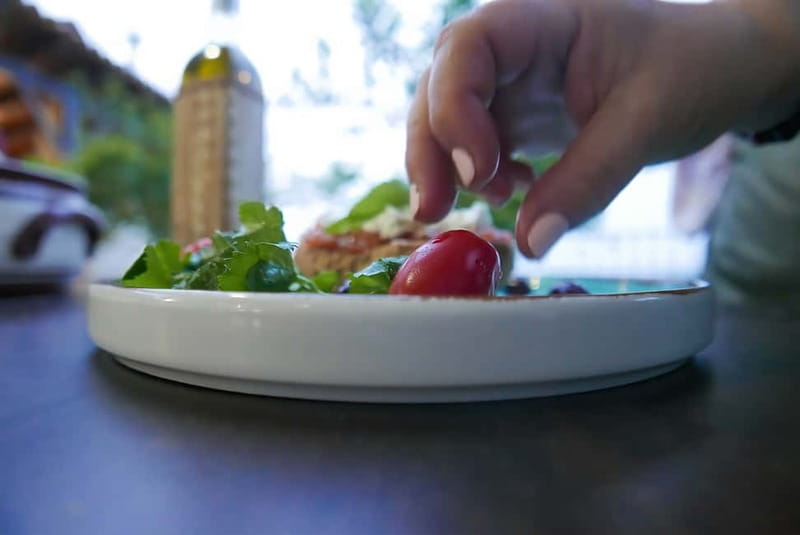
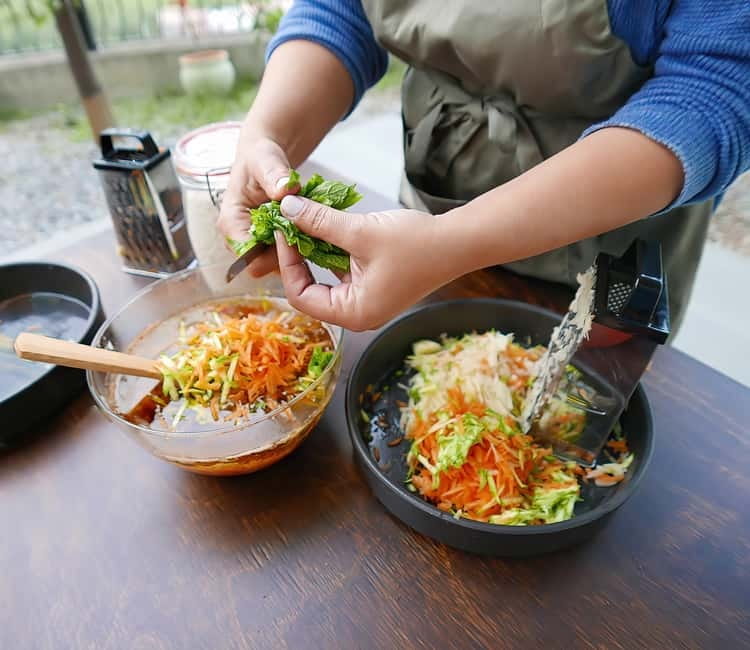
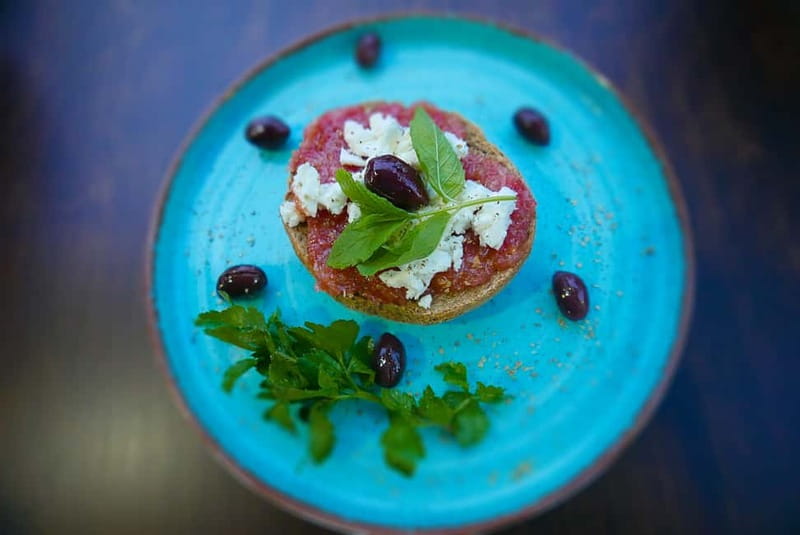
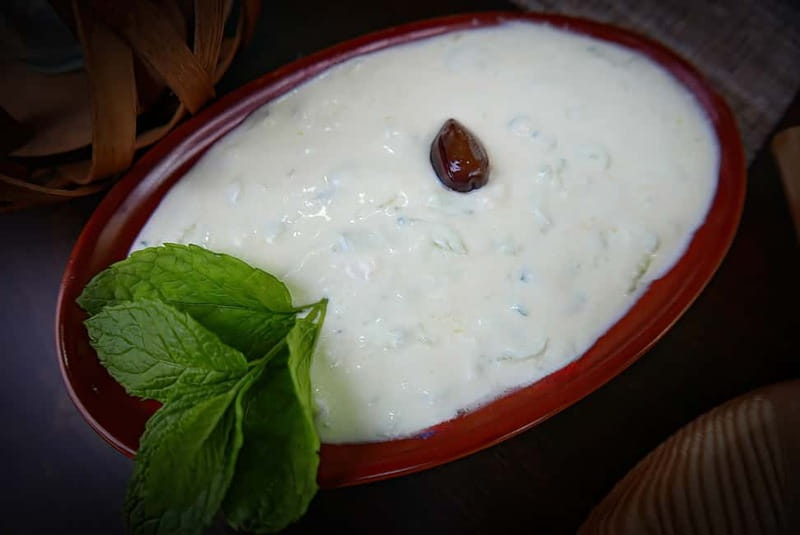
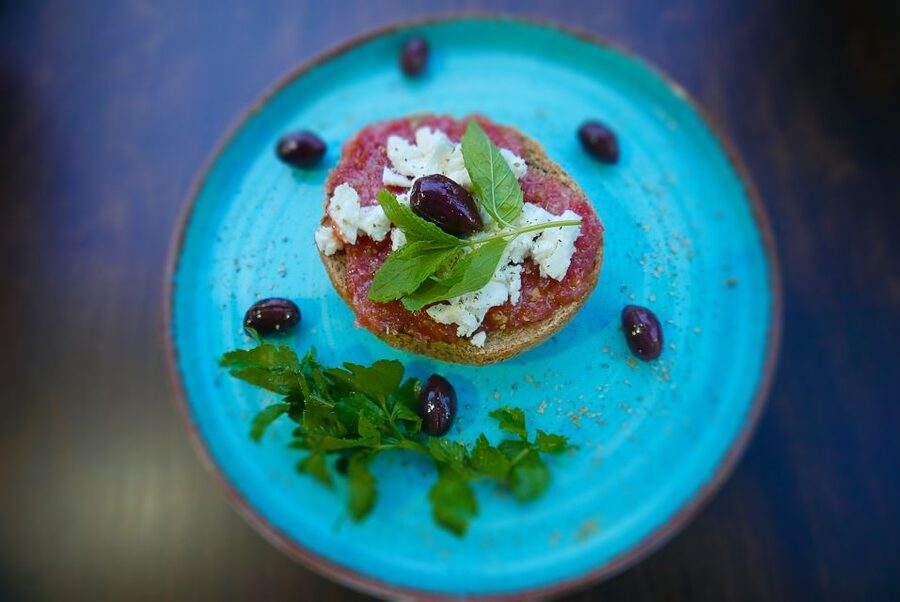
You start with a starter that puts Cretan flavor front and center. A big highlight is dakos, a Cretan salad built with tomato, cheese, olive oil, and herbs. You also get hands-on practice with tzatziki, that cool, garlicky Greek dip, plus Greek salad.
What I like about starting with these dishes is that they teach core Cretan and Greek fundamentals:
- how to balance freshness (tomato and herbs) with richness (cheese and olive oil)
- how to season dips so they taste bright, not bland
- how to assemble salads so they hold their flavor when you mix and serve
You will likely have time to talk through the old-school way of making things. And because you are working in a home setting, the teaching feels more like someone showing you how they cook for family than like a demo in a studio.
If you are the kind of traveler who likes to eat with your brain on, this starter sequence is a fast win. You come away knowing how to build a plate that tastes like Crete, even after the trip ends.
A few more Rethymno days worth comparing
- Rethymno: Traditional Arts & Workshops Tour.
★ 5.0 · 4 reviews - Heraklion: Beginner Scuba Diving Lesson with PADI Instructor
★ 4.9 · 355 reviews - Chania Cooking Class-The Authentic Enjoy traditional Cretan meal
★ 5.0 · 339 reviews - Full-Day Jeep Safari Tour with Cooking Lesson
★ 5.0 · 284 reviews
Moving to the mains: gemista and mousaka
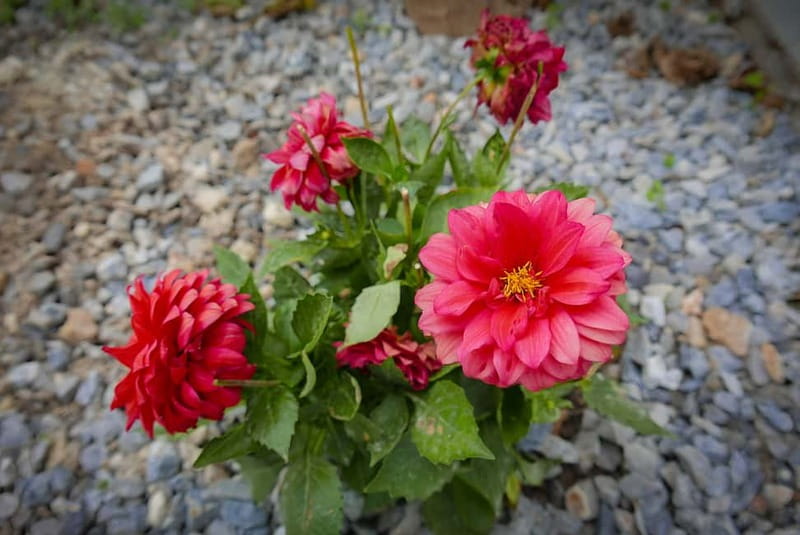
After starters, the class shifts into the dishes that make the meal feel complete. Two featured mains show the breadth of Cretan comfort food.
Gemista and stuffed vine leaves plus zucchini flowers
You’ll make gemista, which includes stuffed components like vine leaves and zucchini flowers, along with tomatoes, zucchini, and pepper. That combination matters because gemista is about stuffing, stuffing is about texture, and texture is about timing.
What you’re really learning here is how to treat filling as something you season properly, then how to assemble so you get a cohesive bite. You also learn how Cretan cooking uses vegetables as the star, not as side props.
Mousaka: layering and oven confidence
You’ll also learn mousaka, the famous baked Greek dish. Mousaka teaches a different set of skills than gemista. You’ll deal with layering, cooking temperatures, and how to judge doneness so the final dish slices cleanly and tastes right.
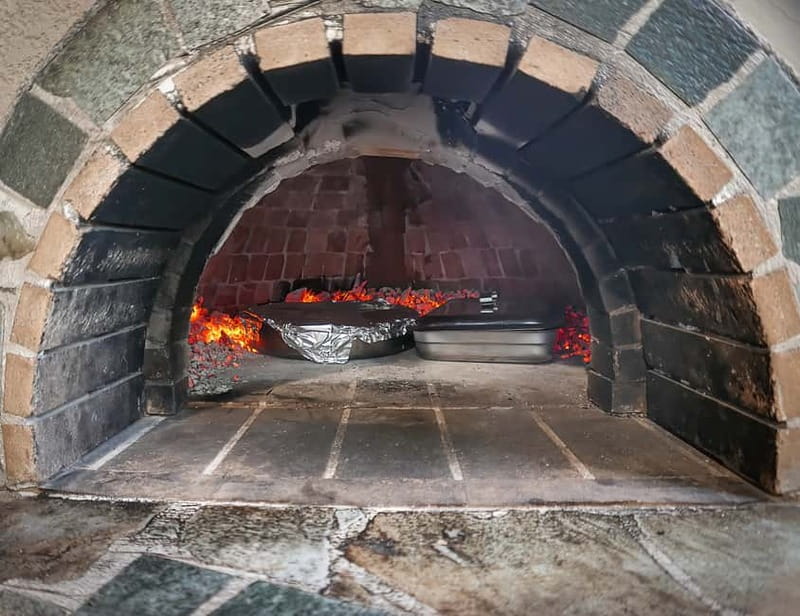
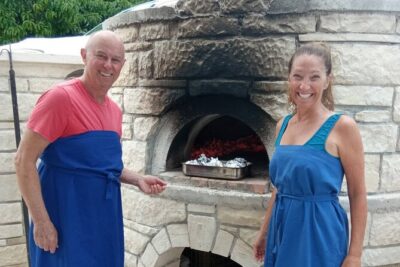
And yes, the wood oven part matters here too. Baking in that traditional setup affects the way things brown and how the flavors settle. You are not just following steps, you’re understanding how heat behaves in a home oven environment.
Baking in the traditional wood oven
This is the signature part of the whole experience. Cooking or baking in a traditional wood oven gives you a hands-on lesson that you cannot really replicate from a YouTube video at home. It changes the cooking rhythm, and it teaches you to pay attention.
From what you’ll do during the class, you learn the practical workflow:
- prepare and assemble dishes
- bake and time them
- adjust based on how the oven behaves
- come back to the table ready to eat as a group
It is also why this class feels like an event rather than a quick workshop. The oven creates a focal point, and everyone ends up gathered around it at different stages, sharing tastes and jokes while food cooks.
If you are thinking of making this an “easy” tour day, it is not a passive one. You will be up, working, and tasting. That is the point.
Dessert: tyropitakia, honey, cinnamon, ice cream, fruit
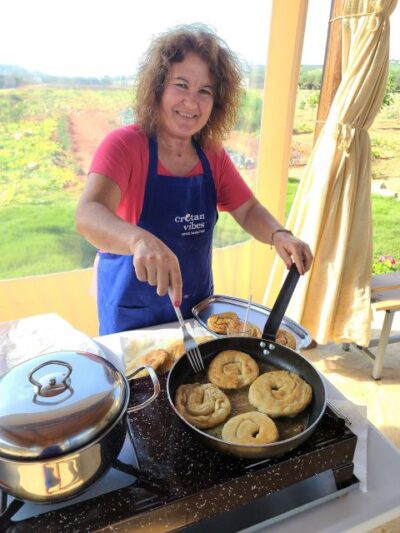
Then comes the part you can almost smell before you taste it. Dessert includes Tyropitakia, traditional pies made with homemade cheese, finished with local honey and cinnamon. In addition, you get homemade ice cream and seasonal fruit.
I love how this dessert lineup covers multiple textures and moods. The pies give you warm, savory-sweet satisfaction. The honey and cinnamon add that classic Greek comfort flavor. Then the ice cream cools everything down so you end the meal without feeling like you need a nap right away.
And it ties back to the class goal. You are not only learning how to cook one dish. You are learning how Cretans structure a whole meal, starter to main to dessert, with each section playing a role.
Wine and raki: plan your pace
Local wine and raki are included with the meal. One practical heads-up from how the experience is remembered: the raki can hit later at the end, and you should come in ready to slow down and enjoy the moment.
This is not a hard-party situation. It is more like a social finish to a long cooking session. People often remember it because it is part of Cretan hospitality, not a random add-on.
My practical advice: drink water too. You will be cooking, tasting, and eating. The raki moment is fun, but you’ll enjoy it more if you pace yourself.
What the whole 3.5 hours feels like
The class runs about 3.5 hours, with starting times varying by day, so you’ll want to check availability for the schedule that fits your trip. Timing matters because you are not just eating, you’re cooking through the meal.
You can expect a flow that looks like this:
- welcome drinks and small bites
- hands-on cooking for starters
- hands-on work for the main dishes
- baking and wood oven cooking
- tasting and sitting down for the full meal
- dessert and included drinks
The experience also includes lots of conversation. You’ll talk with the host, learn recipes using traditional practices, and get the feeling that this is a home event. In at least one case, the hosts handled kids in a thoughtful way, bringing toys for an 8-month-old and offering help so parents could cook. That tells me the day is designed around hospitality, not strict classroom rules.
Also, while everything is taught in English, the atmosphere stays local. You will feel like you are being welcomed into a real home rather than dropped into a scripted activity.
Vegetarian and allergy-friendly options, with real care
The menu can be adapted for vegetarian friends and for people with allergies. That is genuinely valuable because food classes can be stressful when your needs are not handled well.
What I recommend: tell the host your dietary needs clearly when you book. Then ask what you can expect to make. The class is described as flexible, so you should be able to plan around the menu without guessing.
From the way this experience is run, the goal is that everyone gets to cook and eat a complete meal, not just swap one ingredient and hope for the best.
Price and value: what $110 buys you in practice
At $110 per person, the price is not cheap, but the value comes from what is included and how the time is used.
You get:
- cooking lessons
- a starter, main, and dessert you help prepare
- local wine and raki
If you think of it as a restaurant meal, it is likely to compare favorably, because restaurant pricing rarely includes an actual cooking class plus multiple courses plus included drinks. Here, you are paying for the instruction and the experience of making Cretan dishes from scratch in a real home kitchen with a wood oven.
I’d also consider the long-term payoff. Even if you never bake in a wood oven again, you’ll learn how these dishes should taste, and you’ll pick up technique you can use when you cook at home.
The best “value” sign is not the price tag. It is the fact that this class is designed as a full meal and a skill-building session, and people tend to walk away excited about repeating the dishes.
Who should book this cooking class in Rethymno
This experience is a strong fit if you:
- want authentic Cretan food made in a real village home setting
- like hands-on cooking rather than watching a demo
- care about learning the flavors behind dishes like dakos, gemista, mousaka, and tyropitakia
- enjoy social meals with local wine and raki
- travel with dietary needs and want a class that can adapt the menu
It may not be perfect if you:
- prefer short activities or only want light tasting
- don’t want alcohol included with the meal
- have very limited mobility, even though the class is wheelchair accessible, it still involves cooking tasks and navigating a home environment
Should you book it?
Yes, I think you should book this class if you want more than another meal. This is one of those experiences where the “souvenir” is knowledge: how Cretan food is built, how it tastes when it comes out of a wood oven, and how hospitality works when the host treats your table like family.
Book it when you can devote the evening to it. Come hungry, plan to slow down for the wine and raki, and be ready to cook. If you do that, $110 becomes less about the cost and more about getting a full, practical Cretan meal day that you can recreate and remember.
FAQ
How much does the Rethymno cooking class cost?
The price is $110 per person.
How long is the experience?
It lasts about 3.5 hours. Starting times vary, so you’ll want to check availability for the day you plan to go.
What dishes will I cook during the class?
You’ll learn and cook starters such as dakos, tzatziki, and Greek salad. You’ll also cook main dishes like gemista and mousaka, and you’ll make a traditional dessert such as tyropitakia.
Can the menu be adapted for vegetarians or allergies?
Yes. The menu can be adapted for vegetarian guests and for people with allergies.
What drinks are included?
Local wine and raki are included with the meal. You may also be welcomed with Greek coffee or herbal tea, plus homemade lemonade.
Do I need to know any Greek before I go?
No. The host or greeter speaks English.
Is it cooked in a traditional wood oven?
Yes. The class takes place in the family home setting and includes cooking in a traditional wood oven.
Is the experience wheelchair accessible?
Yes, it is wheelchair accessible.
What are the cancellation and payment options?
You can cancel up to 24 hours in advance for a full refund. You can also reserve now and pay later, meaning you can book your spot and pay nothing today.
Fresh options around Rethymno
- Rethymnon:Day Trip to Spinalonga, Agios Nikolaos and Elounda★ 4.2 · 21 reviews
- Rethymnon 4×4 Sunset Safari Tour★ 4.6 · 19 reviews
- From Agia Galini/Matala: Rethymnon City Tour★ 4.1 · 24 reviews
- Luxury Jeep Safari to South Coast, Palm Beach and Canyons★ 4.8 · 15 reviews
- Rethymno: Traditional Arts & Workshops Tour.★ 5.0 · 4 reviews
- Rethymno: Old Town and Food Tasting Private Tour★ 4.8 · 4 reviews
- Rethymno:Evening tasting tour★ 4.7 · 25 reviews
- Rethymno Town: Sea Watersports Activities on the Beach★ 4.9 · 38 reviews
Cooking Classes, compared.
Authentic Cooking Class in the White Mountains
Read our review →
Chania Cooking Class-The Authentic Enjoy traditional Cretan meal
Read our review →
Cooking Class and Olive Oil Tasting at a Family Farm
Read our review →
Sightseeing Day Trip with Cooking Lesson and Lunch
Read our review →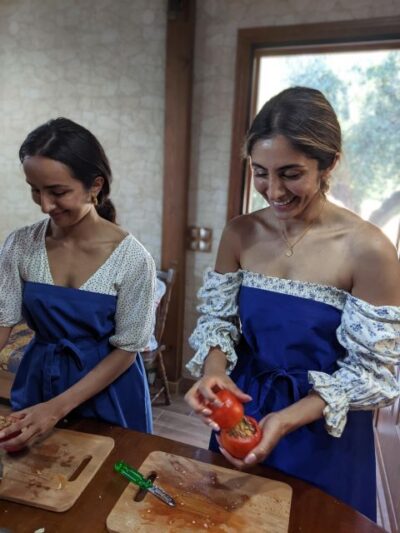
Browse the lists this tour appears in